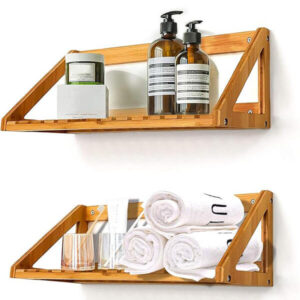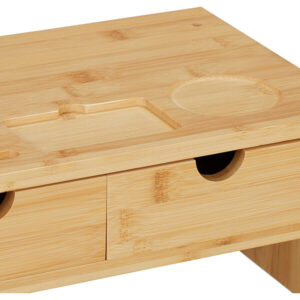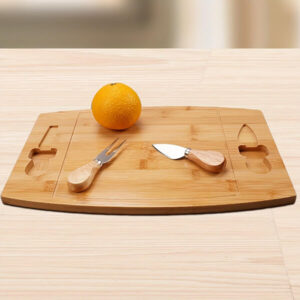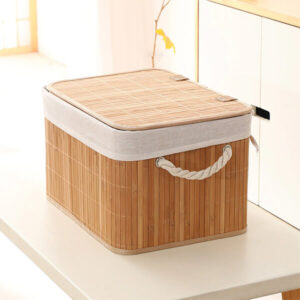
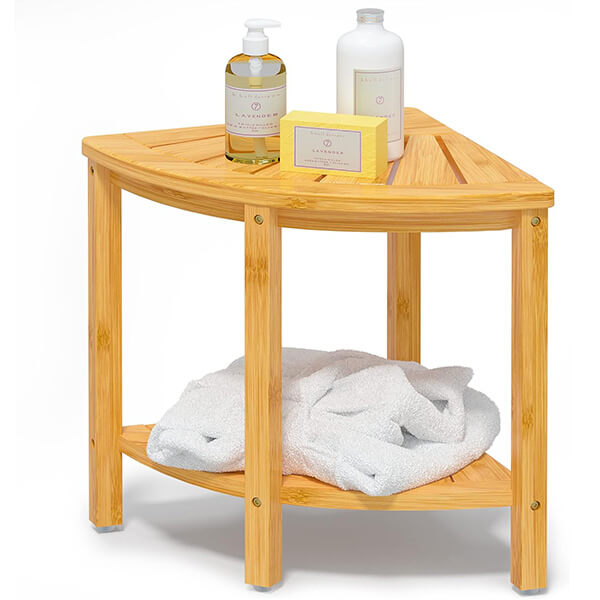
Yes, bamboo shower caddies can develop mold if they are not properly maintained. Bamboo is a natural, porous material that absorbs moisture, and in humid bathroom environments this can create ideal conditions for mold growth. However, with proper design, treatment, and maintenance practices, bamboo bathroom storage products can remain durable and suitable for long-term use in both residential and hospitality or commercial bathroom supply applications.
Bamboo shower caddies are widely used in home and hotel bathroom accessory supply chains because of their natural appearance and eco-friendly properties. For B2B buyers, retailers, and bathroom product distributors, understanding moisture resistance, surface treatment, and ventilation design is essential when selecting bamboo storage products for different markets.
Key Takeaways
- Bamboo shower caddies are prone to mold because their porous fibers absorb and hold moisture
- Slatted shelf designs are far superior to solid shelves, as they allow water to drain and air to circulate
- Wipe your caddy dry after every shower and perform a deep clean once a month
- Improve bathroom ventilation with fans and open windows to reduce humidity
- Clean surface mold with natural solutions like vinegar or baking soda; replace the caddy if mold penetrates deep into the wood
Why Bamboo Shower Caddies Get Moldy
Natural Porosity of Bamboo
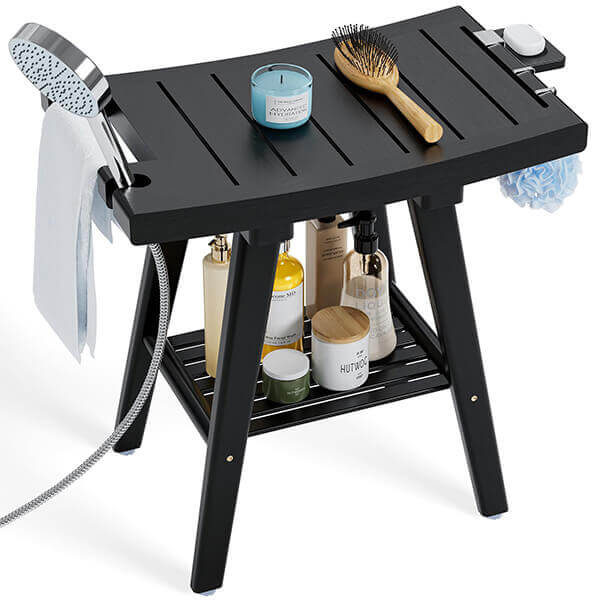
Bamboo is a natural plant material with a porous structure that easily absorbs water. It can hold up to 300% of its dry weight in moisture, making it highly susceptible to mold growth in wet environments. Bamboo also contains natural starches and sugars that mold feeds on, accelerating its growth.
Under ideal conditions (warm, humid and poorly ventilated), mold spores can begin growing on bamboo in as little as 5 days. The most common types of mold found on bamboo shower caddies are Aspergillus and Cladosporium, which appear as black, green or gray spots and can cause musty odors.
Bathroom Environment Factors
Bathrooms are the perfect breeding ground for mold:
- High humidity from hot showers
- Poor airflow and ventilation
- Constant exposure to water splashes
- Soap residue buildup that traps moisture
Even well-made bamboo caddies will eventually develop mold if exposed to these conditions without proper care.
Common Causes of Mold on Bamboo Shower Caddies
1. Poor Drainage Design
Solid shelves trap water on the surface, keeping the bamboo constantly damp. Slatted designs allow water to drain through immediately, significantly reducing mold risk.
2. Soap Residue Buildup
Soap and shampoo leave a sticky film on the caddy that traps moisture and provides food for mold. Regular cleaning is essential to remove this residue.
3. Inadequate Ventilation
Bathrooms without proper ventilation trap moist air, preventing the caddy from drying completely between uses.
4. Improper Placement
Placing the caddy directly under the shower stream or in a dark corner with no airflow increases mold risk.
How to Prevent Mold on a Bamboo Shower Caddy
Choose the Right Design
The single most important factor in preventing mold is choosing a well-designed caddy:
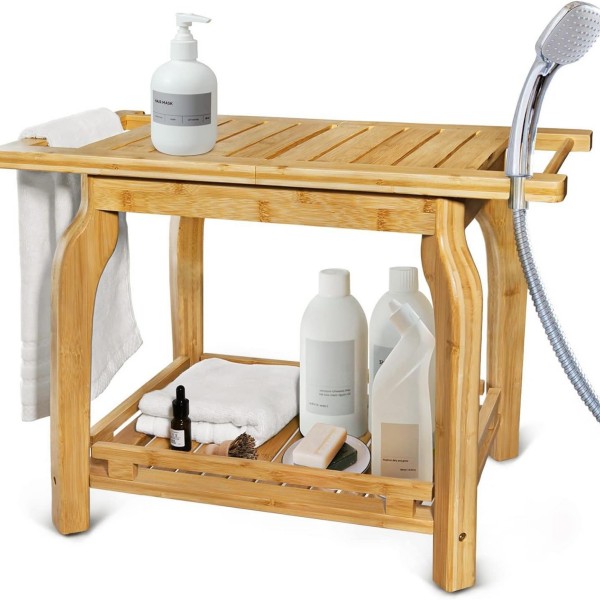
- Look for wide slatted shelves instead of solid surfaces
- Ensure there are drainage holes in all compartments
- Choose open designs that allow air to circulate freely
Dry Thoroughly After Each Use
This is the most effective way to prevent mold:
- Wipe the entire caddy with a dry towel after every shower
- Pay special attention to corners and edges where water collects
- Allow it to air dry completely between uses
Regular Cleaning Schedule
- Weekly: Wipe down with a damp cloth to remove soap residue
- Monthly: Deep clean with mild soap and water, then rinse thoroughly
- Quarterly: Treat with a natural mold inhibitor like white vinegar
Improve Bathroom Ventilation
- Run the bathroom fan for 15-20 minutes after every shower
- Open windows when possible to allow fresh air circulation
- Use a dehumidifier in particularly humid bathrooms
Seal the Bamboo (Optional)
For extra protection, you can seal your bamboo caddy with a food-safe wood oil or water-based sealant. This creates a barrier that prevents moisture from penetrating the wood. Reapply every 6-12 months.
What to Do If Mold Appears
Safe Mold Cleaning Methods
If you catch mold early, you can usually remove it without damaging the caddy:
- Vinegar Solution: Mix equal parts white vinegar and water in a spray bottle. Spray on moldy areas, let sit for 10 minutes, then scrub gently with a soft brush. Rinse thoroughly and dry completely.
- Baking Soda Paste: Mix baking soda with water to form a paste. Apply to moldy spots, scrub gently, then rinse. Baking soda also helps remove musty odors.
- Tea Tree Oil: Add 10 drops of tea tree oil to 1 cup of water. Spray on moldy areas and let air dry. Tea tree oil is a natural antifungal that kills mold spores.
Important: Never use bleach on bamboo. It will damage the fibers, discolor the wood and may not kill all mold spores.
When to Replace Your Caddy
Cleaning will not always be effective. Replace your bamboo shower caddy if:
- Mold has penetrated deep into the wood and cannot be removed
- There are cracks, soft spots or signs of rot
- It has a persistent musty odor that does not go away after cleaning
- Mold returns repeatedly within a few weeks of cleaning
Conclusion
Bamboo shower caddies can develop mold if not properly cared for, but this can be effectively prevented with regular drying, cleaning, and good ventilation. A well-designed slatted structure is the first step toward reducing moisture buildup and maintaining a cleaner bathroom environment.
As a bamboo bathroom product manufacturer, YESUN provides OEM and wholesale solutions for global bathroom accessory markets. Our slatted designs are engineered to improve drainage, minimize moisture retention, and enhance long-term durability.
FAQ
Can bamboo shower caddies go in the shower?
Yes, but they should be placed away from direct water spray. Choose a slatted design for best drainage and air circulation.
How often should I clean my bamboo shower caddy?
Wipe it down with a dry towel after every use, do a light cleaning once a week, and perform a deep clean once a month.
What is the best way to dry a bamboo shower caddy?
Wipe it thoroughly with a dry towel after each use, then place it in a well-ventilated area to air dry completely.
How long do bamboo shower caddies last?
With proper care, a high-quality bamboo shower caddy can last 3-5 years. Without proper maintenance, it may develop mold within 6-12 months.
Can I paint or seal my bamboo shower caddy to prevent mold?
Yes, you can seal it with a food-safe wood oil or water-based sealant. This will create a moisture barrier and help prevent mold growth.