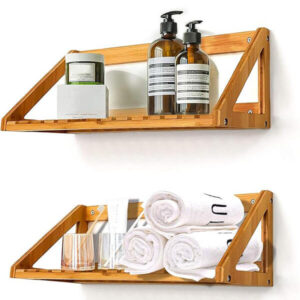
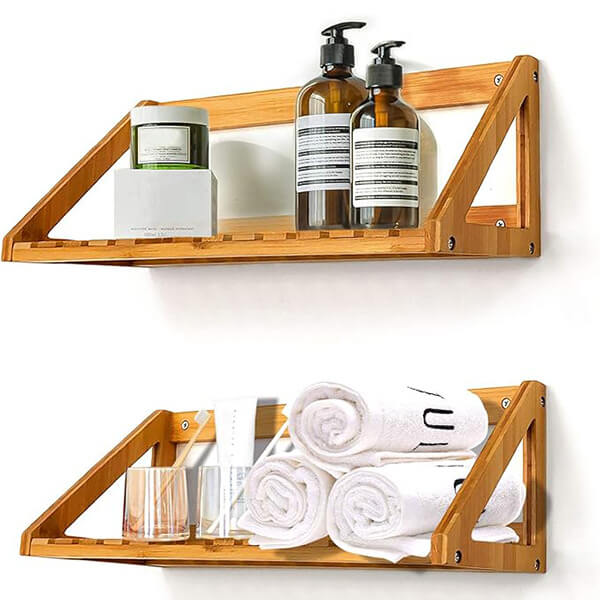
Bamboo wall mount shelves bring warm, natural texture to any room, but they are prone to warping, cracking, moisture damage, and sagging over time. With proper care, bamboo furniture typically lasts 5–15 years — and a few simple, low-effort steps can significantly extend that lifespan. This guide covers four core strategies to strengthen your shelf: choosing a quality unit and the right location, sealing against moisture, reinforcing joints and mounting hardware, and sticking to a light maintenance routine. No special skills are required — just a few hours of work adds years of reliable use.
Key Takeaways
- Start with dense, thick bamboo shelving, and install it in a dry, shaded spot to prevent moisture and UV damage.
- Seal all bamboo surfaces with a deep-penetrating water repellent, plus a clear topcoat for scratch and spill resistance.
- Reinforce joints with wood glue and bamboo pins, and add a stiffening batten under the shelf to stop sagging.
- Mount the shelf directly into wall studs with heavy-duty anchors and screws for the strongest hold.
- Wipe weekly and fix small cracks or warps early before they turn into structural damage.
1. Choose a Quality Shelf & Install It in the Right Spot
Start With Dense, Well-Built Bamboo
A long-lasting shelf starts with quality material. Look for units with smooth finishes, tight edges, and no visible cracks or gaps. Engineered bamboo delivers superior structural performance compared to standard pine or particleboard:
| Property | Standard Value | Load-Bearing Benefit |
|---|---|---|
| Density | 1.15–1.25 g/cm³ | Higher overall weight capacity |
| Modulus of Elasticity | ≥10,000 MPa | Better resistance to bending under load |
| 24-Hour Water Swelling Rate | ≤1% | Minimal dimensional change from humidity |
Thicker poles and tight joinery also improve dent resistance and heavy point-load performance.
Pick a Dry, Shaded Location
Where you hang the shelf directly impacts its lifespan. Stick to dry, low-humidity spaces like living rooms and bedrooms. Avoid bathrooms and poorly ventilated steamy areas, where constant moisture triggers swelling, shrinking, and cracking.
Also keep shelves out of direct sunlight. UV rays break down bamboo’s organic fibers, causing fading, brittleness, and gradual structural weakness. A shaded wall preserves both appearance and long-term strength.
2. Seal Bamboo to Protect Against Moisture Damage
Sealing is the single most impactful step to extend a bamboo shelf’s life. Raw bamboo absorbs moisture from the air, leading to a repeated swell-shrink cycle that causes cracking. A proper finish stops this process entirely.
Step-by-Step Sealing Process
- Prep the surface: Lightly sand all bamboo surfaces with 180–220 grit sandpaper to open the pores and help the finish adhere. Wipe away all dust with a tack cloth.
- Apply penetrating water repellent: Use a bamboo-specific deep-penetrating sealant instead of generic surface-only wood sealers. These soak into fibers to protect from the inside, often with built-in UV protection to prevent fading.
- Add a protective topcoat: Finish with a clear polyurethane or polycrylic topcoat to add a hard, scratch-resistant layer that also repels spills. This extends the time between resealing.
Apply thin, even coats and let each dry fully. Lightly sand between coats for a smooth finish. Test the seal periodically: water should bead up on the surface. If it soaks in and darkens the bamboo, it is time to reseal — usually every few years.
3. Reinforce the Shelf & Mounting Hardware
A great finish cannot make up for a weak frame or loose mounting. Reinforcement turns a decorative shelf into a sturdy, load-ready unit.
Strengthen Joints & Prevent Sagging
- Reinforce connections: Apply wood glue to each joint, press firmly, and wipe away excess. Add bamboo pins for a mechanical lock — always drill a pilot hole first to avoid splitting the bamboo.
- Add underside support: Long shelves can sag under heavy loads. Fix this by screwing a stiffening batten (straight wood strip) across the underside, or use L-shaped metal brackets at the corners. This spreads weight evenly across the frame and prevents twisting.
Always pre-drill pilot holes for any screw near end grain — bamboo splits easily without a guide hole. Use a drill bit slightly smaller than the screw shaft.
Upgrade Mounting Hardware
Most stock shelves come with lightweight screws and anchors that fail under real loads. For maximum strength:
- Locate wall studs with a stud finder and mount the shelf directly into them for the strongest hold.
- If stud spacing does not line up, use heavy-duty toggle bolts rated for your shelf’s load capacity.
- Use longer screws with washers under the heads to spread pressure and avoid stripping bamboo fibers. Do not overtighten.
These steps take under an hour and turn a flimsy DIY shelf into a stable storage unit.
4. Maintain & Repair Damage Early
Regular small maintenance stops minor issues from becoming expensive structural problems.
Weekly Cleaning & Inspection
Wipe the shelf with a dry or slightly damp microfiber cloth to remove dust before it settles into the grain. Each time you clean, check for loose screws, early warping, cracked finish, or splintered edges. Catching issues early prevents costly repairs later.
For deeper cleaning, use a mild 1:9 pomegranate vinegar and water solution to cut grime without swelling the bamboo. Never soak bamboo or use steam cleaning — excess moisture causes permanent swelling and delamination.
Fix Minor Cracks & Warps
Address small damage right away to stop it from spreading:
- For mild warping: Place the board concave-side down, lightly mist the bowed face, cover with a damp towel, and weigh it flat until it dries. Repeat if needed.
- For small cracks: Sand the area with 180–220 grit sandpaper, then refinish both sides and all edges with matching sealer or varnish. Sealing both sides creates a balanced moisture barrier to prevent further warping.
FAQ
How often should you reseal a bamboo wall shelf?
Check the finish weekly — water should bead on the surface. If water soaks in and darkens the bamboo, it is time to reseal. Most shelves need resealing every few years; a protective topcoat extends this interval.
Why do bamboo wall shelves sag?
Sagging comes from heavy loads, weak joints, or insufficient underside support. Fix it by adding a stiffening batten or L-brackets under the shelf, and mounting directly into wall studs instead of just drywall anchors.
Why is direct sunlight bad for bamboo shelves?
UV rays in sunlight break down bamboo’s organic fibers, causing fading, brittleness, and structural weakness over time. Always place bamboo shelves in shaded areas away from constant direct window light.
Can you put a bamboo shelf in the bathroom?
Extra sealing helps block moisture, but constant high bathroom humidity will still cause swelling and warping over time. For longest life, install bamboo shelves in dry living rooms or bedrooms instead.
How do you reinforce weak bamboo shelf joints?
Apply wood glue to each joint and add bamboo pins for a mechanical lock (always pre-drill pilot holes first). Add a stiffening batten to the underside for extra stability and to prevent sagging.