
Most bamboo trays will biodegrade naturally — but not all of them. Hidden synthetic coatings, chemical adhesives, and composite binders can prevent full breakdown, even when a tray looks like solid natural bamboo. This guide explains how to identify truly compostable bamboo trays, verify green claims, and dispose of them correctly to support sustainable living.
Key Takeaways
- Pure, uncoated solid bamboo trays fully break down in compost through natural microbial activity.
- Synthetic lacquers, melamine finishes, and chemical glues trap bamboo fibers and prevent biodegradation.
- Trust independent compost certifications instead of vague “eco-friendly” marketing claims.
- Choose trays labeled “100% bamboo” — “bamboo blend” or “composite” usually contains synthetic binders.
- Dispose of certified trays in industrial compost; pure uncoated bamboo can break down in home compost piles.
What Prevents Bamboo Trays From Biodegrading?
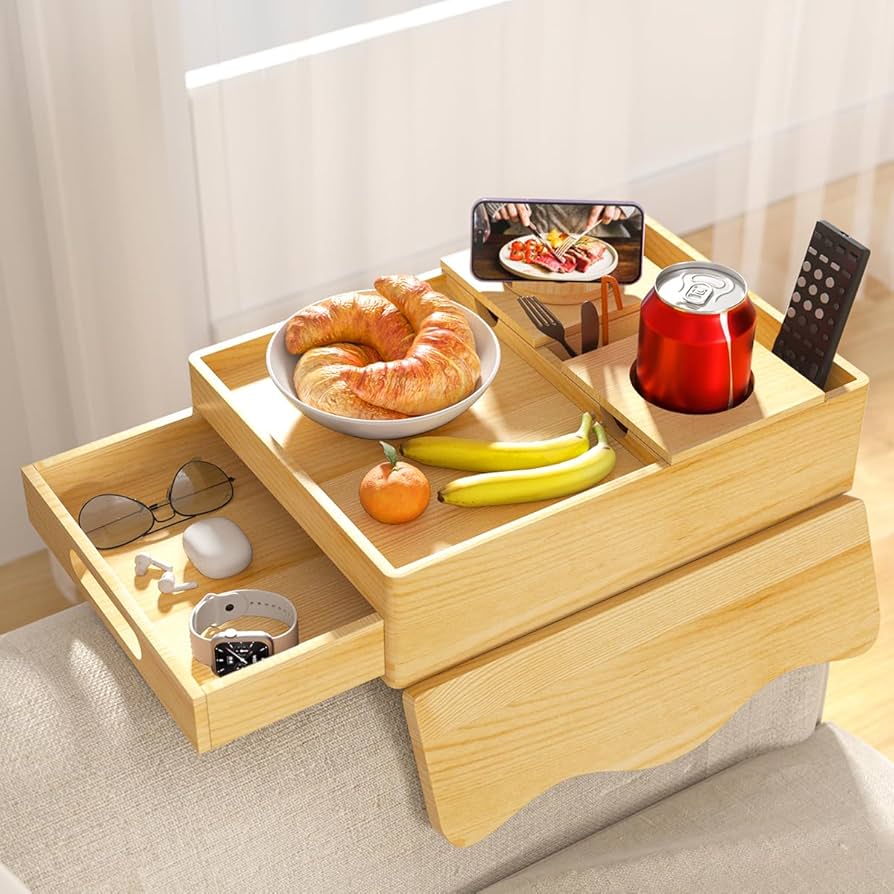
Bamboo is a natural plant material, but a bamboo tray does not automatically biodegrade just because it contains bamboo. The tray’s coating, adhesive, and composite materials can significantly affect how it breaks down.
Coatings and Surface Finishes
Uncoated bamboo can absorb moisture and provide conditions for microorganisms to break down the material. Surface finishes can slow this process by creating a barrier between the bamboo and its surroundings.
Common finishes include oils, waxes, lacquers, varnishes, and plastic-based coatings. Their effect on biodegradability depends on the coating material and how much of it is present.
For buyers looking for a more biodegradable bamboo tray, check whether the product is:
- Uncoated: Usually the simplest construction for natural decomposition.
- Oil- or wax-finished: May still contain mostly natural materials, but the finish can affect how quickly the tray breaks down.
- Lacquered, laminated, or plastic-coated: May leave non-biodegradable components behind and should not automatically be considered biodegradable.
The key point is that “bamboo” describes the main material, not necessarily the entire tray.
Adhesives and Composite Materials
Can a bamboo tray fully biodegrade? The answer actually depends on the adhesives holding it together.To bond bamboo strips or fibers, many conventional laminated products use synthetic resins, such as urea-formaldehyde or phenolic resins. While these chemicals provide excellent strength and water resistance, they are engineered to last—meaning they resist natural biological breakdown.
Industry research proves that adhesive selection dictates the environmental footprint of the finished composite. Therefore, even if a tray is made from 100% natural bamboo fibers, it is not truly biodegradable if a persistent synthetic resin forms part of its structure.
| Construction Type | Coating or Finish | Binder | Biodegradability Consideration |
|---|---|---|---|
| Solid bamboo | None | None | Generally favorable for natural decomposition |
| Solid or laminated bamboo | Oil or wax | Natural or compatible binder | May be more biodegradable, depending on the full formulation |
| Laminated bamboo | Lacquer or plastic coating | Synthetic adhesive | May leave non-biodegradable components |
| Bamboo fiber composite | None | Synthetic resin | Not automatically biodegradable |
Rather than judging a tray from the word “bamboo” alone, check the complete material and finish specification.
How to Verify Whether a Bamboo Tray Is Compostable
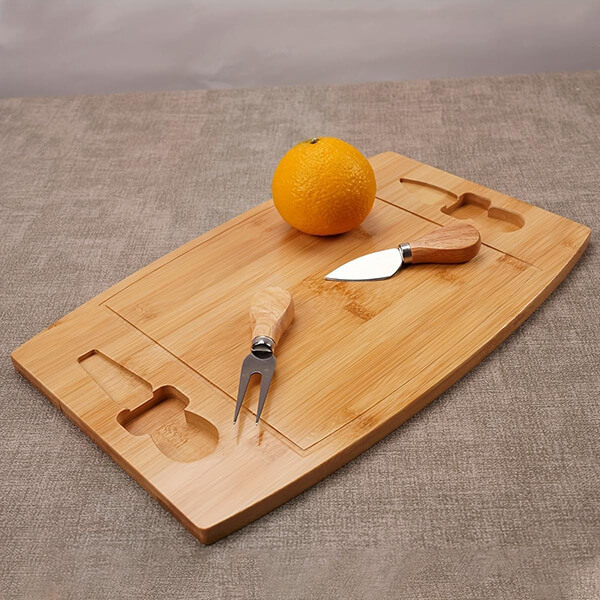
Terms such as “natural,” “eco-friendly,” and “green” do not prove that a finished bamboo tray is compostable. If a product makes a specific compostability claim, look for evidence covering the finished product, not just the bamboo material.
Check Compostability Certifications
Third-party certification can provide stronger evidence than a general environmental claim. In North America, for example, BPI certifies finished products against applicable compostability standards and maintains a searchable database of certified products. Its catalog distinguishes commercial compostability from products also certified for home compostability.
When checking a bamboo tray, look for:
- A recognized certification mark
- The name of the certification body
- A certificate or product identification number
- Whether the certification applies to the finished tray
- Whether it is certified for industrial or home composting
How to Spot Unsupported Biodegradability Claims
Be cautious with vague claims such as:
- “Eco-friendly”
- “Natural”
- “Green”
- “Made with bamboo”
- “Biodegradable” without supporting conditions or certification
Instead, check the material composition and the conditions under which the product is claimed to break down.
A claim such as “industrially compostable” does not mean the tray will necessarily break down in a backyard compost pile. Commercial and home composting certifications use different testing conditions. BPI, for example, has separate commercial and home compostability certification schemes.
For B2B purchasing, asking the bamboo product supplier for the finished-product specification, certification details, and test documentation is more useful than relying on an environmental label alone.
How to Compost Bamboo Trays Correctly
Disposal depends on the tray’s material and any certification attached to the finished product.
Uncoated Bamboo Trays
A solid, uncoated bamboo tray can naturally decompose, but the process may be relatively slow because bamboo is a dense material. Cutting or breaking the tray into smaller pieces can increase the surface area exposed to moisture and microorganisms.
If the tray is intended for home composting, check its material composition first rather than assuming that all bamboo products are suitable.
Certified Compostable Bamboo Trays
If a bamboo tray carries a recognized compostability certification, follow the conditions specified by that certification.
Commercially compostable products are designed for controlled industrial composting environments and should not automatically be placed in a home compost pile. BPI’s certification data, for example, distinguishes commercial-only products from products that are also certified for home composting.
Before composting:
- Remove food residue and other contaminants.
- Check whether the tray is certified for home or commercial composting.
- Follow local composting facility requirements.
- Do not compost coated or composite trays unless their finished-product documentation supports that disposal route.
FAQ
How long does pure bamboo take to biodegrade?
In industrial compost conditions, pure bamboo fully breaks down within 12 weeks. Home composting takes longer, depending on pile temperature and turnover.
Can bamboo trays go in home compost?
Only pure, uncoated, naturally glued bamboo will reliably break down in home compost. Laminated trays with synthetic glues or coatings require industrial composting. Look for an explicit “home compostable” label.
How do I spot a biodegradable bamboo tray without a certificate?
Look for solid bamboo construction with no visible glossy coating. Check the material list for “100% bamboo” rather than “bamboo blend.” Avoid products described as lacquer-coated or melamine-finished.
Do coated bamboo trays biodegrade in landfills?
No. Plastic or melamine coatings trap bamboo fibers inside a synthetic shell that fungi and bacteria cannot penetrate. The tray may never fully rot, even buried in a landfill.