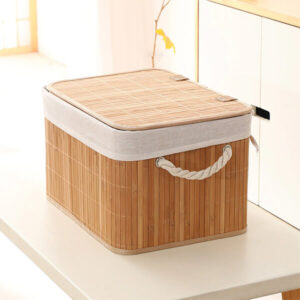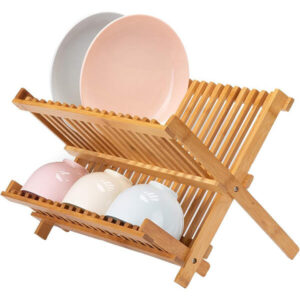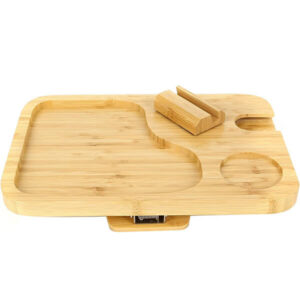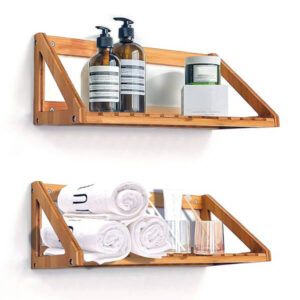
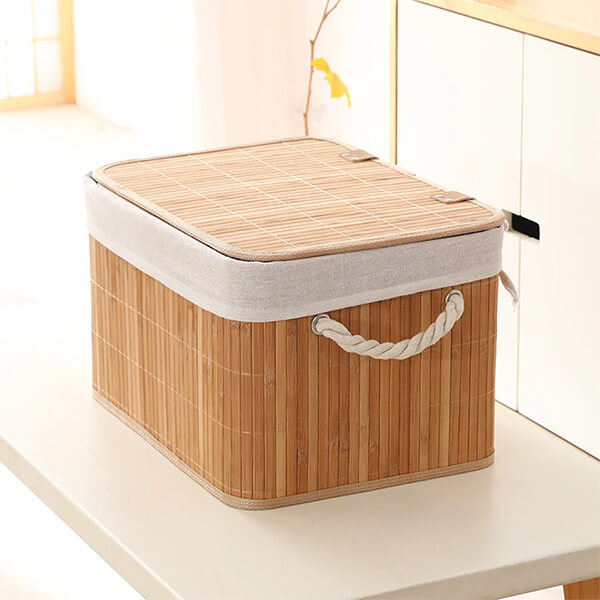
Bamboo food containers are a natural, sustainable alternative to plastic for everyday food storage. Lightweight yet sturdy, they retain less food odor and carry a far smaller environmental footprint than petroleum-based plastic. For households looking to cut down on single-use plastic, bamboo works excellently for dry pantry goods, snacks, and packed lunches, while adding a warm, natural aesthetic to kitchen counters.
Key Takeaways
- Bamboo contains no petroleum-based polymers, making it a plastic-free option for food storage.
- It has natural antimicrobial properties and minimal odor retention, so it won’t alter the taste of stored food.
- Bamboo is rapidly renewable, biodegradable, and sequesters carbon as it grows — unlike plastic that persists for centuries.
- Bamboo excels at dry foods, grains, snacks, and low-moisture lunches; avoid prolonged soaking and high heat.
- Plastic remains more practical for microwave, freezer, liquid, and high-moisture storage.
Bamboo Food Containers are Safe for Food
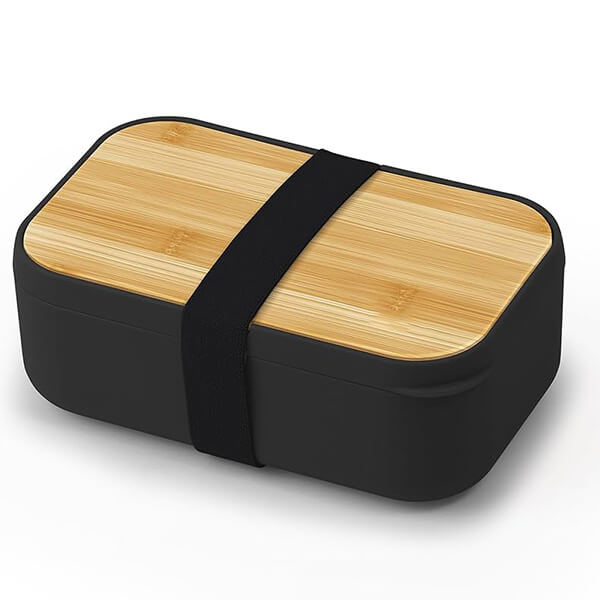
Bamboo is a natural plant material free of the synthetic polymers found in conventional plastic food storage.
Low Odor & Neutral Flavor
Bamboo has a mild natural scent and does not transfer strong tastes to food. Plastic easily absorbs and retains odors from garlic, curry, sauces, and spices, even after washing. Bamboo provides a more neutral storage experience, ideal for grains, baked goods, and snacks where original flavor matters.
Natural Antimicrobial Properties
Bamboo contains naturally occurring compounds that slow microbial growth on its surface — an added benefit for food storage. This does not replace proper cleaning, however: regular washing and thorough drying are still required to keep containers sanitary.
Sustainability Advantage: Bamboo vs. Plastic
The biggest edge bamboo has over plastic is its environmental profile, across three core areas:
Rapidly Renewable Resource
Bamboo is one of the fastest-growing plants on Earth, reaching maturity in just a few years. It regrows new shoots from existing root systems after harvesting, so it can be harvested repeatedly without replanting entire crops. Traditional timber trees take decades to mature.
Biodegradable End of Life
Pure bamboo breaks down naturally under the right environmental conditions. Conventional plastic can persist in landfills and ecosystems for hundreds of years. Note: bamboo composite products blended with synthetic resins do not fully biodegrade.
Carbon Sequestration
Bamboo absorbs carbon dioxide as it grows and stores carbon in its biomass. This gives bamboo products an inherent carbon advantage at the raw material stage, compared to petroleum-derived plastic.
Bamboo vs. Plastic Food Containers: Performance Comparison
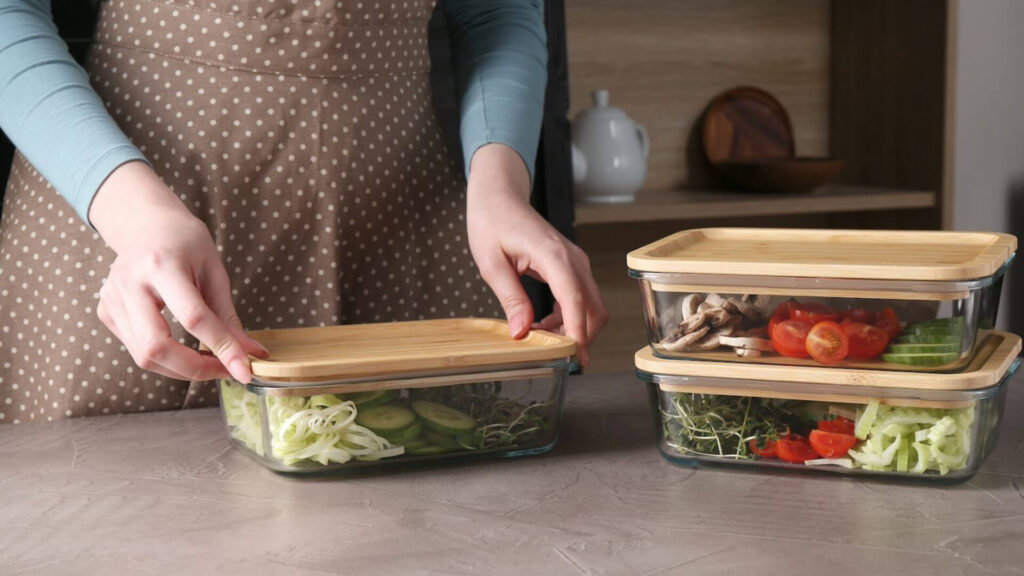
Sustainability only matters if the container holds up to daily kitchen use. Bamboo fiber has a high strength-to-weight ratio, producing rigid containers that resist everyday dents and deformation.
Strength and Everyday Performance
One advantage of bamboo is its rigid structure. It is less prone to bending or losing its shape during normal handling, while still remaining relatively lightweight. This makes bamboo containers suitable for snacks, fruits, grains, and other pantry foods where structural stability and a more premium feel are desirable.
Moisture and Temperature Limitations
The main trade-off is that bamboo is less tolerant of prolonged moisture and high temperatures than many plastic containers. It performs best in dry storage and moderate-temperature environments, such as countertops, cabinets, and pantries. Prolonged soaking can cause swelling or surface deterioration, so containers should be dried thoroughly after washing.
Bamboo containers should also generally be kept away from ovens, microwaves, and prolonged contact with boiling liquids. For everyday dry-food storage, however, their combination of rigidity, low weight, and natural appearance can make them a more appealing choice than basic plastic containers.
When Are Bamboo Food Containers a Better Choice?
Best Uses for Bamboo Containers
Bamboo is the stronger choice when natural materials, aesthetics, and reduced plastic use are priorities. It works especially well for:
- Dry pantry staples: rice, grains, pasta, cereal
- Snacks, nuts, and baked goods
- Bread, sandwiches, and low-moisture packed lunches
- Countertop storage and pantry organization
For B2B buyers, retailers, and private-label brands, bamboo containers also align with fast-growing consumer demand for plastic-free, sustainable kitchenware.
When Plastic Is More Practical
Plastic remains better for specific use cases:
- Microwave and freezer storage
- High-moisture and liquid foods
- Fully airtight sealing needs
- Heavy-duty commercial kitchens with frequent soaking and high heat
FAQ
Are bamboo food containers safer than plastic?
Food-grade pure bamboo containers avoid petroleum polymers and retain fewer food odors. Composite bamboo may contain binders, so always verify food-contact certification. Food-safe plastic is still more reliable for extreme temperature and liquid storage.
Are bamboo food containers biodegradable?
Only 100% pure bamboo products fully biodegrade. Bamboo composites mixed with synthetic resins do not break down naturally. Conventional plastic can take hundreds of years to decompose.
Can you put bamboo food containers in the microwave?
No. Bamboo cannot withstand the high heat of microwaves or ovens, which can cause cracking, warping, and material degradation.
What foods should you not store in bamboo containers?
Avoid long-term storage of wet, saucy, or liquid-rich foods. Extended moisture exposure causes swelling, mold growth, and structural damage.
Is bamboo better than plastic for food storage?
Bamboo is better if your priorities are natural materials, low odor, sustainability, and reduced plastic use — especially for dry foods. Plastic is more practical for freezing, microwaving, and liquid storage.