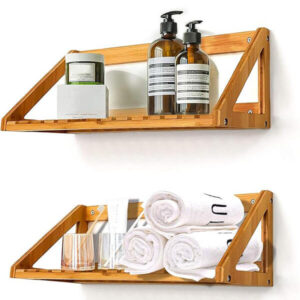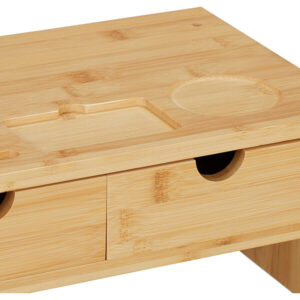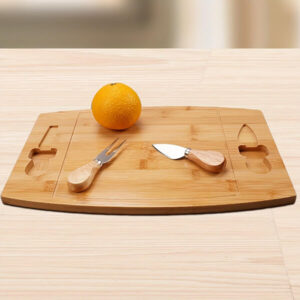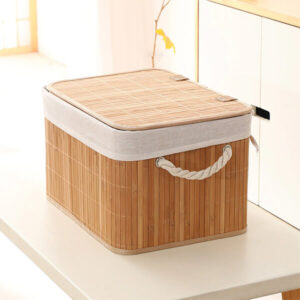
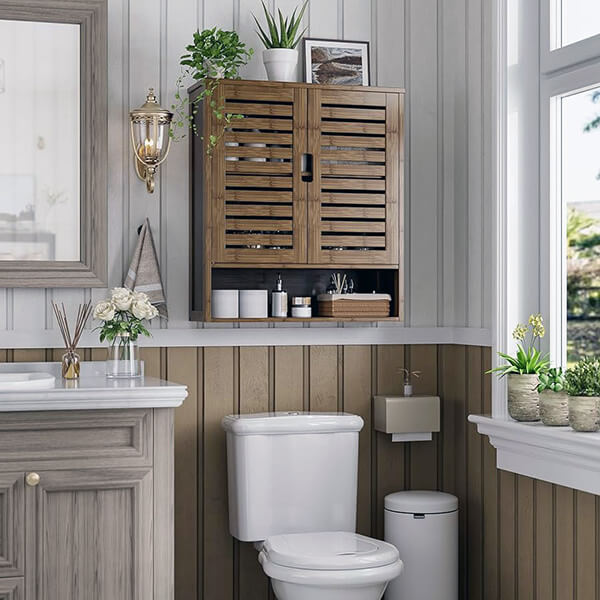
Bamboo over toilet storage can be an eco-friendly choice for modern bathrooms, especially when it is made from responsibly sourced bamboo and designed to last. Bamboo grows quickly and can be harvested without removing the entire root system, making it a renewable alternative to slower-growing hardwoods. A durable bamboo storage unit can also reduce the need for frequent replacement.
However, the environmental impact does not depend on bamboo alone. Manufacturing, adhesives, finishes, packaging, product lifespan, and end-of-life disposal all affect how sustainable a storage unit really is. Choosing responsibly sourced bamboo and a well-made product is therefore just as important as choosing bamboo itself.
Key Takeaways
- Bamboo can be more environmentally friendly than some plastic or less rapidly renewable materials, but the comparison depends on how each product is made.
- Finishes, adhesives, and composite materials can affect the environmental profile of bamboo storage.
- Look for responsibly sourced bamboo and recognized certifications when available.
Why Bamboo Over Toilet Storage Can Be Eco-Friendly
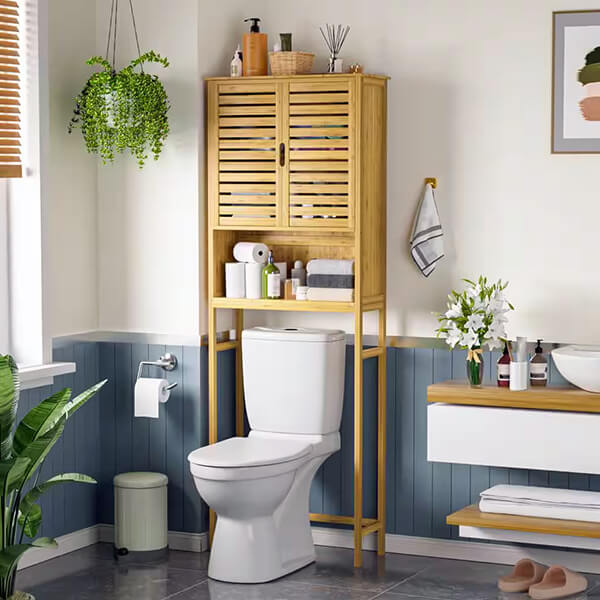
Bamboo has several characteristics that make it attractive for sustainable home products. However, its environmental benefits should be considered across the entire product lifecycle rather than based on the material alone.
Rapid Growth and Renewable Harvesting
Bamboo is a grass rather than a tree, and many species grow much faster than traditional hardwoods. Once established, bamboo can produce new shoots from its existing root system, allowing the plant to regenerate after harvesting.
This makes bamboo a renewable material for products such as bathroom shelves, organizers, and over toilet storage. Compared with materials that require trees to grow for decades before harvesting, bamboo can provide a shorter renewable production cycle.
Its resource requirements also vary by species, climate, farming practices, and location. Therefore, it is better to view bamboo as a rapidly renewable material rather than assume that every bamboo product automatically has a low environmental impact.
Carbon Storage and Material Longevity
Like other plants, bamboo absorbs carbon dioxide as it grows through photosynthesis. Some of the carbon remains stored in the harvested material while it is used in furniture and household products.
For bamboo storage, product lifespan is also important. A unit that remains functional for many years can reduce the need to manufacture and transport a replacement. This means durability contributes to sustainability alongside the renewable nature of the material.
For homeowners, the most practical approach is to consider both how the bamboo was sourced and how long the finished product is likely to remain in use.
Bamboo Over Toilet Storage vs. Other Materials
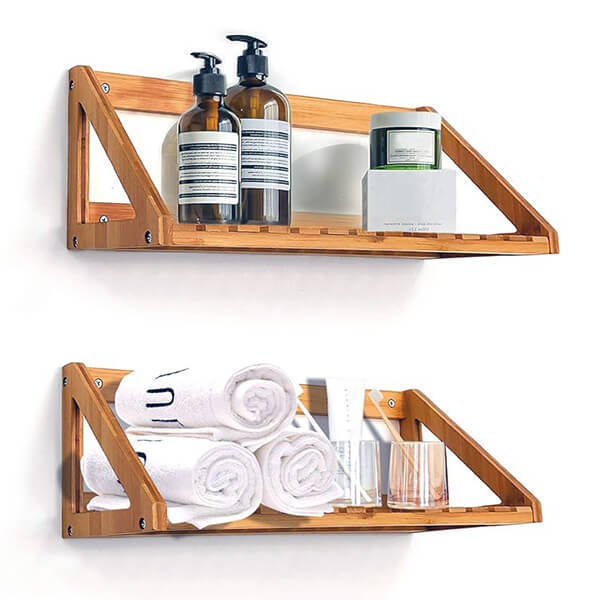
Comparing bamboo with other materials provides a more useful way to judge whether it is an eco-friendly option.
Bamboo vs. Plastic and Metal
Bamboo is plant-based and rapidly renewable, while conventional plastic is generally made from fossil-based raw materials. Plastic products can also persist for a very long time after disposal.
Metal has different environmental considerations. Mining, refining, and manufacturing metals can require substantial energy and raw materials. On the other hand, many metals can be recycled repeatedly, so the environmental comparison is not simply bamboo versus metal.
For bathroom storage, the better choice depends on the entire product lifecycle, including:
- Raw material sourcing
- Manufacturing processes
- Product lifespan
- Maintenance requirements
- Packaging
- Disposal or recycling options
A well-made bamboo storage unit can therefore be a sustainable alternative to plastic, particularly when renewable sourcing and long service life are prioritized.
Bamboo vs. Traditional Hardwood
Bamboo can offer a shorter renewable growth cycle than many traditional hardwoods. This is one of its main environmental advantages.
However, hardwood is not automatically an unsustainable choice. Responsibly managed and certified forests can provide renewable wood while supporting long-term forest management.
The better comparison is therefore between responsibly sourced bamboo and responsibly sourced hardwood, rather than treating all bamboo as sustainable and all hardwood as environmentally harmful.
For buyers who prioritize rapid renewability, bamboo has a clear advantage. For those focused on longevity, sourcing, or specific design requirements, both materials can be viable depending on the product.
How to Choose Sustainable Bamboo Over Toilet Storage
Not every bamboo storage product has the same environmental profile. Manufacturing and sourcing practices can make a significant difference.
Look for Responsible Sourcing and Certifications
Responsible sourcing helps ensure that bamboo is harvested and managed with environmental considerations in mind. Certifications can provide additional information about how materials are sourced and processed.
When shopping for bamboo bathroom storage, look for:
- Clearly identified bamboo materials
- Responsible sourcing information
- Relevant third-party certifications
- Durable construction
- Transparent manufacturing information
- Minimal or recyclable packaging where practical
FSC certification can be useful when the product or its wood-based components fall within the scope of FSC certification. However, buyers should check exactly what part of the product is certified rather than assuming that every component is covered.
Check Finishes, Adhesives, and Composite Materials
The bamboo itself is only one part of the product. Adhesives, paints, stains, coatings, and composite materials can also affect its environmental profile.
For bathroom storage, a protective finish is often necessary because the product may encounter humidity and occasional splashes. A responsible choice balances moisture protection, durability, and the environmental characteristics of the finish.
Rather than assuming that every bamboo product is naturally non-toxic or chemical-free, check the manufacturer’s specifications for information about coatings, adhesives, and emissions when these factors are important to you.
FAQ
Is bamboo a sustainable material for bathroom storage?
Yes. Bamboo is a rapidly renewable material and can regenerate from its existing root system after harvesting. However, the sustainability of a finished bathroom storage product also depends on sourcing, manufacturing, finishes, and product lifespan.
Can bamboo over toilet storage get wet?
Bamboo storage can handle normal bathroom humidity when properly constructed and finished, but it should not be treated as completely waterproof. Avoid prolonged water exposure and wipe away splashes to prevent moisture damage.
Does bamboo bathroom storage contain chemicals?
Bamboo products may contain finishes, adhesives, stains, or protective coatings. The exact materials vary by product, so check the manufacturer’s specifications if you are concerned about coatings, emissions, or chemical content.
How long does bamboo over toilet storage last?
The lifespan depends on bamboo quality, construction, finish, bathroom humidity, and maintenance. Keeping the product dry, well ventilated, and properly maintained can help extend its useful life.
How should bamboo bathroom storage be disposed of?
Reuse or repair the unit whenever possible. If disposal is necessary, check the product’s construction and follow local recycling or waste-disposal requirements, especially if it contains coatings, adhesives, composite materials, or metal components.