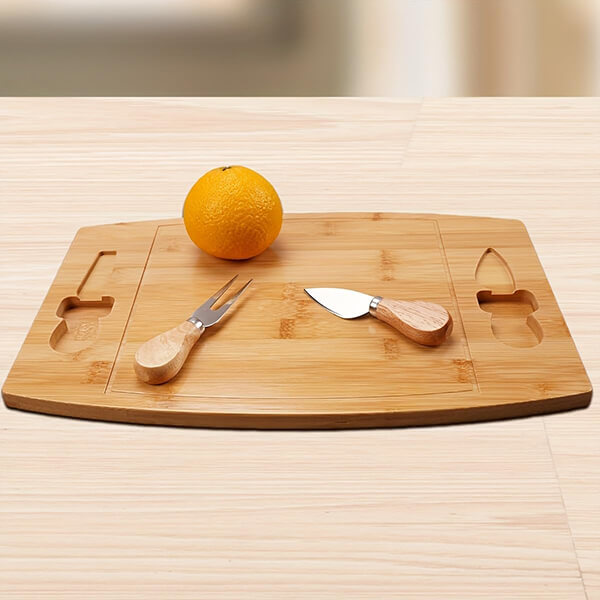
Bamboo cutting boards, utensils, and other bamboo kitchen accessories should not be cleaned in a dishwasher. Porous bamboo fibers rapidly absorb hot water, harsh alkaline detergent and prolonged steam exposure, which ruins the material’s texture, structural integrity and food-safe finish. Hand washing is the only safe cleaning method to keep bamboo intact, hygienic and long-lasting.
Key Takeaways
- Dishwasher high heat, long water soak and strong alkaline soap swell bamboo fibers, leading to warping, splitting and fuzzy rough surfaces.
- Always hand-wash bamboo with mild cool water soap; avoid any prolonged soaking.
- Fully air-dry bamboo upright in ventilated space after cleaning to prevent mold and moisture damage.
- Condition bamboo every 2–4 weeks with food-grade mineral oil to lock in moisture and stop cracking.
- Rough, damaged bamboo surfaces trap bacteria; proper hand care maintains a smooth, sanitary finish.
How Dishwashers Damage Bamboo
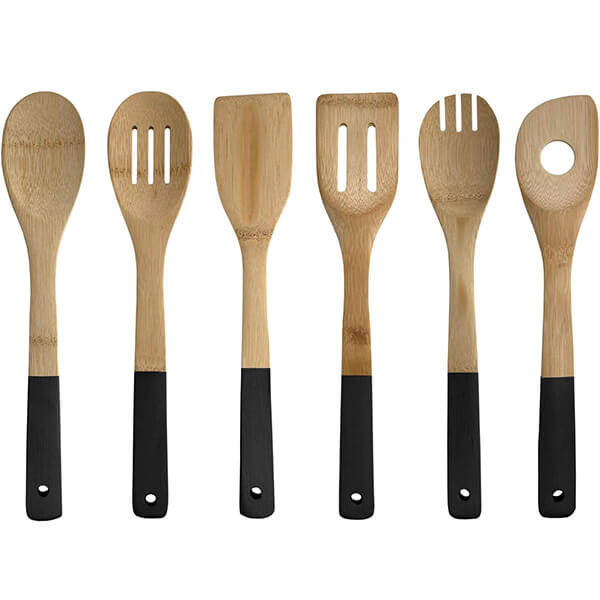
Bamboo is lightweight, eco-friendly and durable for kitchen use, but its porous natural fiber cannot withstand dishwasher operating conditions. The table below contrasts dishwasher cycles against safe hand washing:
| Factor | Dishwasher Cycle | Hand Washing | Impact on Bamboo |
|---|---|---|---|
| Water Temp | 60–75°C (140–167°F) | ≤40°C (104°F) | Sustained high heat breaks down bamboo fiber structure |
| Water Exposure | 45–90 minutes full submersion | Under 30 seconds quick rinse | Extended soaking causes swelling and loose glue joints |
| Detergent pH | 10–12 strong alkaline | pH 6–8 mild neutral soap | Harsh chemicals strip bamboo’s natural protective finish |
1. High Heat & Moisture Cause Warping and Cracking
Continuous hot steam and water penetrate deep into bamboo’s open grain. Fibers absorb water and expand unevenly, resulting in permanent bending, raised grain and lengthwise cracks along the bamboo strips. Even one dishwasher cycle can create minor warping that worsens with repeated washes.
2. Alkaline Detergent Ruins the Smooth Surface
Dishwasher detergents contain powerful alkaline cleaners designed to dissolve heavy grease. These chemicals erode bamboo’s natural smooth layer, leaving the surface fuzzy, dull and porous. A rough, pitted grain holds water residue and food particles, creating hidden breeding grounds for bacteria. The bonding glue between bamboo slats also breaks down over time, causing separation at edges and joints.
3. Permanent Structural Degradation
Long-term dishwasher exposure triggers irreversible damage:
- Minor warping of 2–5mm across flat boards
- Lifted, frayed bamboo grain
- Split corners and edge separation
- Discoloration and uneven surface texture
- Weakened joints on bamboo racks and multi-piece utensils
Once cracks and deep pits form, the bamboo piece becomes unsanitary and difficult to fully sanitize for food prep.
Proper Hand-Washing Routine for Bamboo Kitchen Items
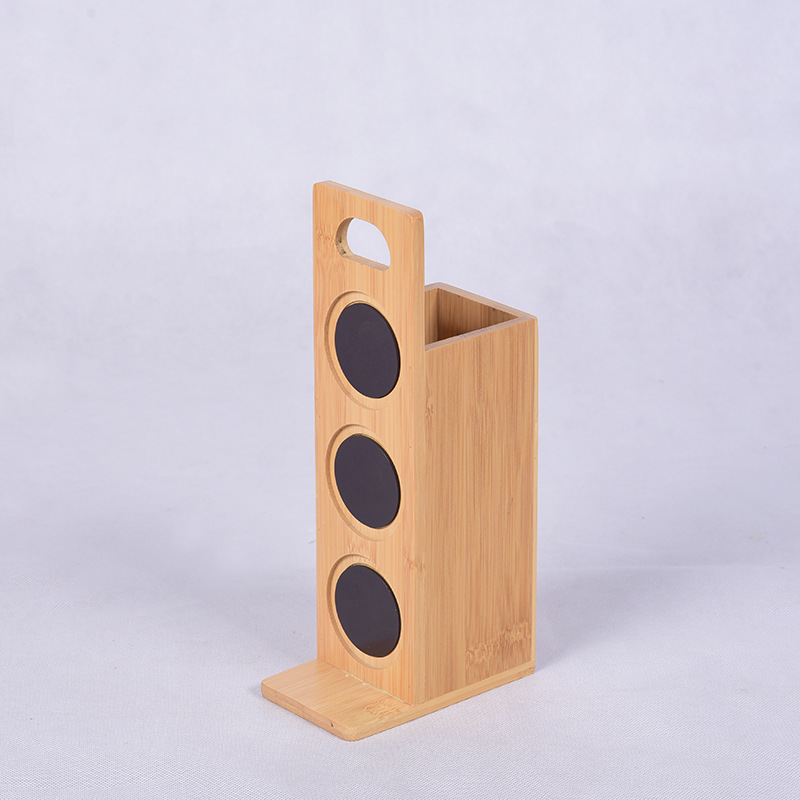
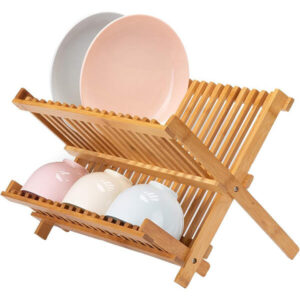
Hand washing preserves bamboo’s smooth finish and structural strength. Follow this simple step-by-step process for cutting boards, dish racks and bamboo utensils:
- Scrub the surface gently with mild neutral dish soap and a soft sponge.
- Rinse thoroughly with lukewarm cool water to eliminate all soap residue.
- Wipe excess moisture with a clean dry towel immediately.
- Stand the bamboo upright to air-dry completely in a well-ventilated spot. Never lay flat while damp.
Remove Stains & Food Odors Safely
For stubborn food stains or lingering meat odors:
- Sprinkle coarse salt over the surface, rub with a lemon half, then rinse clean.
- Wipe lightly with diluted white vinegar, followed by a full cool water rinse. Avoid soaking the bamboo in any cleaning solution for longer than 1 minute.
Drying, Storage & Long-Term Maintenance for Bamboo Products
Proper Drying and Storage
Proper drying and storage help protect bamboo products from moisture damage, mold growth, and premature cracking.
- Allow bamboo to air-dry completely before storing. In humid environments, provide 12–24 hours of ventilation.
- Store bamboo items in a dry, well-ventilated cabinet or on an open countertop rack. Avoid sealed cabinets that trap moisture.
- Never stack damp bamboo pieces together, as trapped moisture can encourage mold and cause warping.
Regular Oil Conditioning
Routine oiling restores bamboo’s natural moisture, reduces water absorption, and helps prevent drying and cracking.
- Apply a thin, even coat of food-grade mineral oil every 2–4 weeks, depending on frequency of use.
- Food-grade fractionated coconut oil can also be used as an alternative conditioning oil if it is stable and non-rancid.
- Let the oil absorb for about 30 minutes, then wipe away any excess with a clean, dry cloth.
Tip: Regular conditioning keeps bamboo smooth, slows moisture loss, and significantly extends the lifespan of bamboo furniture and kitchenware.
Conclusion
Dishwashers are incompatible with all bamboo kitchenware due to extreme heat, lengthy water submersion and high-alkaline detergent, which cause permanent warping, cracking and unsanitary rough surfaces.
Simple hand washing, full ventilated drying and regular mineral oil conditioning are the only reliable ways to extend your bamboo products service life while maintaining a smooth, bacteria-resistant food-safe surface.
FAQ
Can bamboo cutting boards go in the dishwasher?
No. Dishwasher heat, moisture and harsh detergent warp, crack and roughen bamboo grain. Only hand washing preserves its structure and sanitary finish.
How often should I oil bamboo cutting boards?
Condition with food-grade mineral oil every 2–3 weeks. Regular oiling seals porous fibers and prevents drying and splitting.
What is the safest cleaning method for bamboo kitchenware?
Hand wash with mild neutral soap and cool water, rinse fully, then air-dry upright in a ventilated area. Never soak bamboo for extended periods.
Why do bamboo boards crack after dishwasher cleaning?
Hot water soaks into porous bamboo fibers, causing uneven expansion. High heat weakens the internal structure, creating permanent splits along the grain.
Is bamboo safe for raw meat prep?
Yes. Clean the board thoroughly immediately after raw meat use, dry fully and condition regularly. For best food safety, use separate bamboo boards for meat and produce.