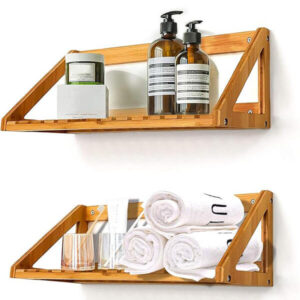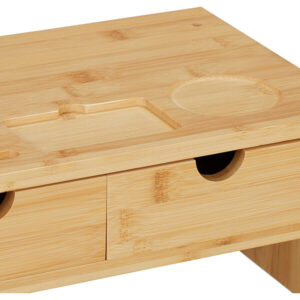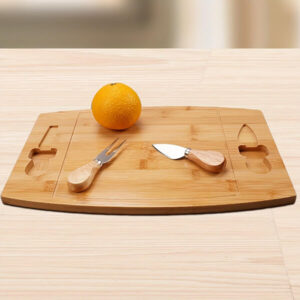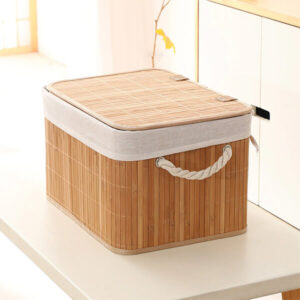
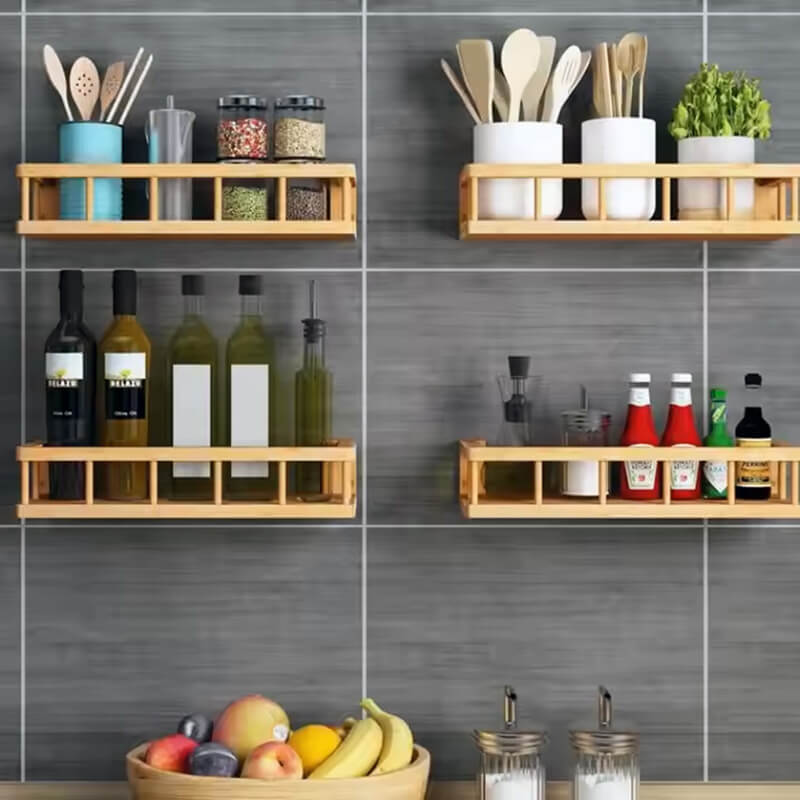
Eco-friendly kitchen organization is becoming increasingly popular, and bamboo racks are gaining attention as a practical choice for modern households. As a renewable, plant-based material, bamboo provides an alternative to conventional plastic and metal storage while offering a natural look that fits well with modern kitchen interiors.
Beyond their appearance, bamboo racks offer flexible storage for different kitchen layouts and everyday organizational needs. Their combination of natural material, practical design, and easy integration into modern spaces makes them an increasingly attractive option for homeowners seeking functional and more sustainable kitchen storage.
Key Takeaways
- Bamboo is a fast-renewable material that grows without toxic fertilizers or pesticides, making it far greener than plastic or hardwood.
- High-density bamboo is strong enough to hold heavy pots, pans and small appliances without sagging or warping.
- Natural fiber structure resists moisture, odors and bacterial growth, ideal for humid kitchen environments.
- Vertical and wall-mounted designs maximize counter space, perfect for small and compact kitchens.
Eco-Friendly Benefits of Bamboo Racks
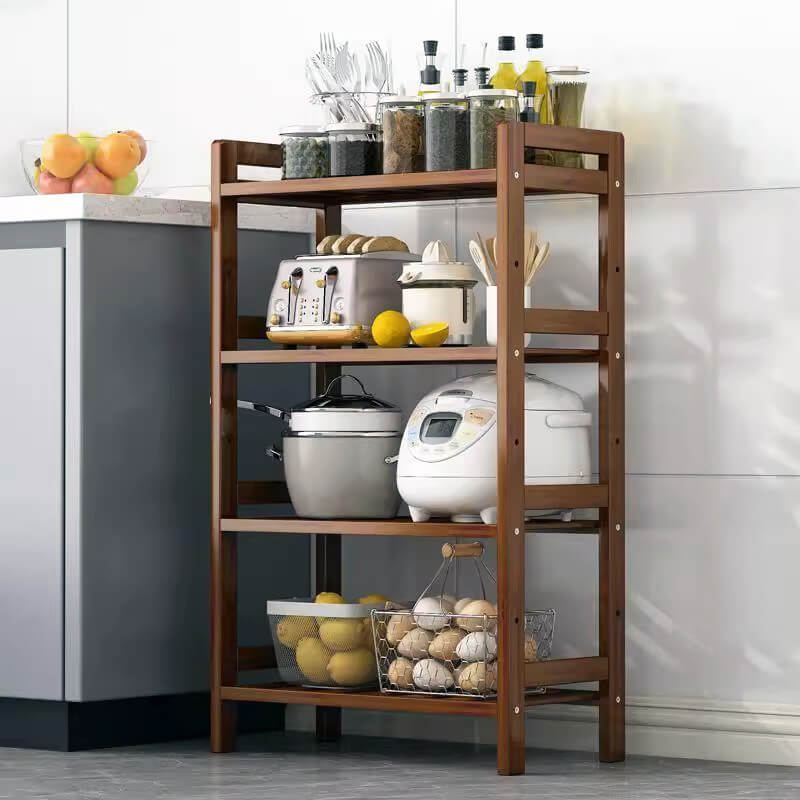
The biggest driver of bamboo’s rising popularity is its low environmental impact compared with plastic and traditional hardwood shelving. For a bamboo rack manufacturer, this growing demand reflects increasing interest in sustainable kitchen storage solutions.
Fast-Renewable, Low-Impact Harvesting
Bamboo is technically a grass, not a hardwood, and it grows at an extraordinary rate. Moso bamboo, the most common type for home goods, reaches full harvest maturity in just 5 years — compared to 40–60 years for maple and 60–100 years for oak.
| Material | Harvest Maturity |
|---|---|
| Moso Bamboo | ~5 years |
| Maple | 40–60 years |
| Oak | 60–100 years |
Harvesting only cuts the above-ground stalks, leaving the root system intact to regrow new shoots. This process preserves topsoil, prevents erosion, and requires no artificial fertilizers, herbicides or pesticides to support growth. Choosing bamboo products reduces demand for old-growth hardwood logging and helps protect forest habitats.
Lower Waste Than Plastic Organizers
Oil-based plastic storage products contribute to long-term landfill and ocean pollution, and their manufacturing releases significant greenhouse gas emissions. Bamboo, by contrast, is a fully biodegradable natural material that breaks down safely at the end of its service life without leaving toxic chemical residue.
Replacing even a few plastic kitchen organizers with bamboo options reduces household plastic waste and supports more sustainable daily living.
Bamboo Racks Offer Durability and Easy Care
Beyond sustainability, bamboo racks deliver practical performance that holds up to the demands of daily kitchen use.
Strong Weight Capacity for Heavy Cookware
Bamboo has impressive tensile strength and hardness that rivals many hardwoods. On the Janka hardness scale, harvested bamboo rates roughly 1,300+, far higher than pine (~380) and comparable to many mid-tier hardwoods. This dense structure prevents sagging, bending and surface dents under regular use.
| Material | Janka Hardness | Moisture Resistance | Suitability for Heavy Cookware |
|---|---|---|---|
| Bamboo | ~1,300+ | High | Holds heavy items without sagging; ideal for pots, pans and appliances |
| Pine | ~380 | Low | Light loads only; not recommended for heavy cookware without sealing |
Under even weight distribution, standard household bamboo racks hold 18–55 lbs per shelf, with heavy-duty baker’s rack styles supporting 22–55 lbs per tier. This is more than enough for cast iron pans, ceramic dish sets, countertop appliances and canned pantry goods.
Natural Moisture & Odor Resistance
Kitchens are high-humidity environments, with regular steam, water splashes and temperature swings. Bamboo’s natural fiber structure absorbs and releases moisture gradually, resisting cracking, swelling and warping far better than many softwoods.
It also offers natural hygienic benefits. A 2022 study in the Journal of Food Protection compared intact plant fiber surfaces to HDPE polyethylene plastic, and found:
- 72% lower Salmonella CFU retention after 4 hours, following identical sanitization
- ≤3% viable E. coli remaining after 24 hours on a clean dry surface, vs. ≥27% trapped in plastic micro-grooves
- Natural lignin and silica compounds inhibit biofilm formation
This natural resistance means bamboo racks stay cleaner and odor-free with minimal care. Routine maintenance only requires wiping with mild soapy water and drying promptly — no harsh chemical cleaners needed.
Practical Bamboo Rack Storage for Every Kitchen Layout
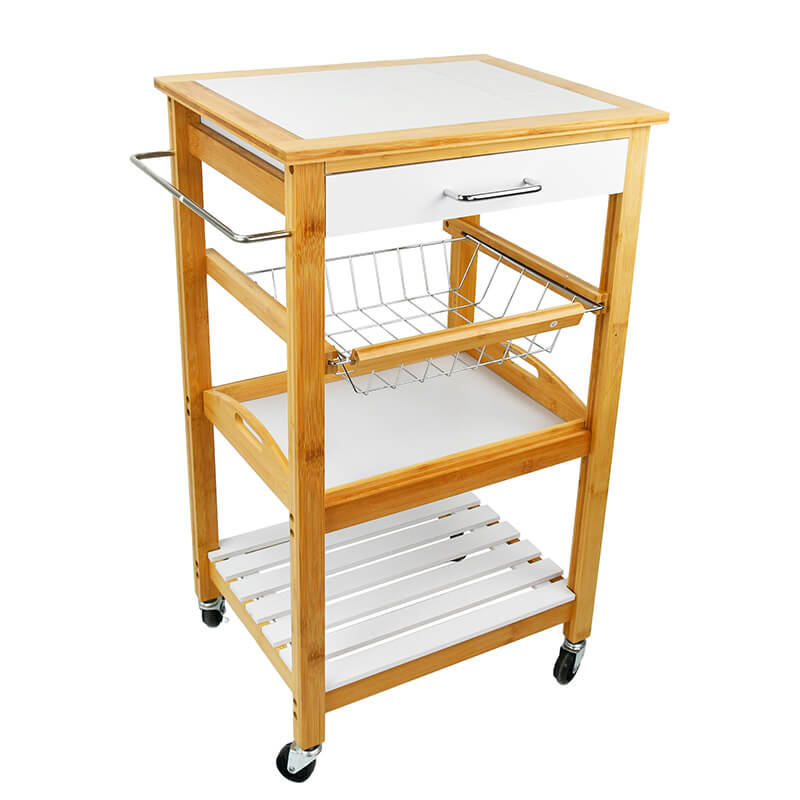
Bamboo racks fit a wide range of kitchen layouts, from compact apartments to spacious open-plan kitchens. Their flexible designs make it easier to organize everyday items without taking up unnecessary floor or counter space.
Space-Saving Options for Small Kitchens
For kitchens with limited space, vertical multi-tier racks, corner shelves, and wall-mounted bamboo racks make use of otherwise wasted areas. They can hold spices, cooking oils, utensils, and other frequently used items while keeping countertops more organized.
Freestanding vs. Wall-Mounted Bamboo Racks
- Freestanding racks: Easy to move and reposition, making them suitable for renters, flexible kitchen layouts, or storage that needs to change with daily use.
- Wall-mounted racks: Keep storage off the countertop and make better use of vertical wall space, creating a cleaner and more organized kitchen.
For wall-mounted bamboo racks, choose suitable mounting hardware based on the wall material and expected load. Heavy items should be secured to appropriate structural support rather than relying only on basic drywall anchors.
FAQ
How do you clean and maintain bamboo kitchen racks?
For daily care, wipe dust and surface debris with a soft dry cloth. For deeper cleaning, use mild dish soap and warm water, then dry the surface immediately to prevent water spots and protect the finish. Avoid harsh chemical cleaners and prolonged soaking.
Are bamboo racks strong enough for heavy pots and pans?
Yes. High-quality bamboo has a Janka hardness rating comparable to mid-tier hardwoods, and standard multi-tier racks support 18–55 lbs per shelf under even weight distribution. They safely hold cast iron pans, ceramic dishware and small countertop appliances without sagging.
Why is bamboo more eco-friendly than plastic or wood shelves?
Moso bamboo reaches harvest maturity in just 5 years and regrows from existing roots, with no need for toxic agricultural chemicals. Unlike petroleum-based plastic, bamboo is fully biodegradable. Choosing bamboo also reduces demand for slow-growing hardwood logging.
Can bamboo racks handle kitchen steam and humidity?
Yes. Bamboo naturally absorbs and releases moisture gradually, resisting warping and cracking better than many softwoods. Its natural lignin and silica content also inhibit odor-causing bacteria and mold growth, making it well-suited for humid kitchen environments.
Can bamboo racks be mounted on drywall?
Yes, as long as you use the correct wall anchors for the total weight of the rack and its contents. For typical kitchen loads of 10–50 lbs, molly bolts or heavy self-drilling anchors work well. For loads over 50 lbs, use toggle bolts for maximum holding strength.
Final Thoughts
Bamboo racks are growing in popularity for good reason: they deliver on sustainability, durability, hygiene and visual appeal all at once, making them a practical upgrade for almost any kitchen.
Whether you want to reduce plastic waste, add warm natural decor, free up counter space in a small kitchen, or upgrade your pantry storage, bamboo organizers offer a balanced mix of function and eco-conscious design. With minimal care, a well-made bamboo rack will provide reliable, attractive storage for years of daily use.