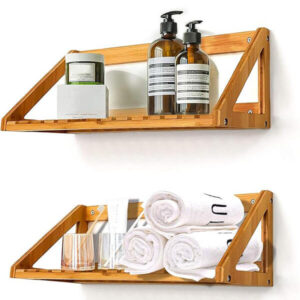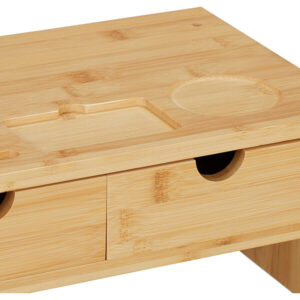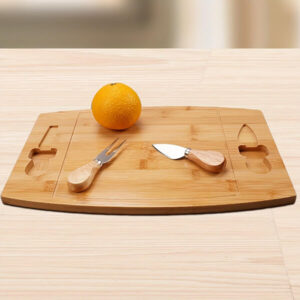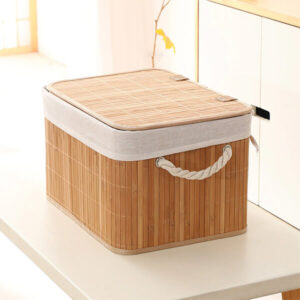
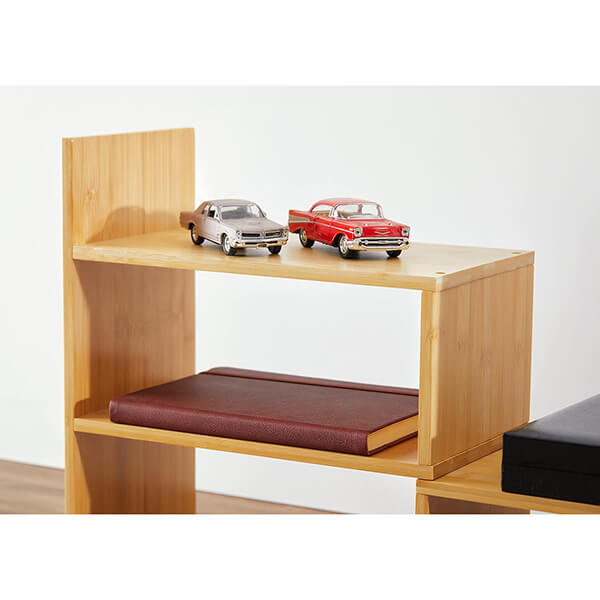
The best oil for bamboo furniture depends on where you use the piece and what level of protection you need. Natural penetrating oils like tung oil are the top pick for most indoor furniture, as they enhance the natural grain while adding water and scratch resistance. Food-grade mineral oil is the safest choice for kitchen bamboo items like cutting boards and utensils. For quick, low-maintenance care, specialty bamboo oil blends offer balanced protection and easy application.
This guide breaks down the most common oils for bamboo furniture, compares their performance, and shares step-by-step application and maintenance tips to keep your pieces looking great for years.
Key Takeaways
- Tung oil is the best all-around choice for bamboo furniture, providing durable protection, water resistance and a natural finish for indoor pieces.
- Food-grade mineral oil is the safest option for bamboo kitchenware and food-contact items, helping prevent drying and cracking without harmful additives.
- Bamboo oil blends and butcher block conditioners offer easy application and added moisture protection for everyday furniture and frequently used kitchen surfaces.
- Always choose food-safe, non-toxic oils for bamboo items that contact food, and avoid unlabeled finishes or vegetable oils that can become sticky or rancid.
- Proper oiling preparation and application — including cleaning, applying thin coats, removing excess oil and allowing full drying — are essential for long-lasting bamboo protection.
Top Oils for Bamboo Furniture
1. Tung Oil (Best All-Around for Indoor Furniture)
Extracted from tung tree seeds, tung oil is a classic natural wood finish that works exceptionally well for bamboo. It penetrates deep into the bamboo fibers to boost water resistance and prevent scratches, while drying to a matte, warm finish that highlights the natural grain.
- Core benefits: Creates a durable, water-repellent barrier; resists daily wear and scratches; brings out natural bamboo texture
- Best for: Indoor furniture, plant stands, shelves and decorative pieces
- Note: Use purified boiled tung oil for faster drying and better results. Raw tung oil dries very slowly and can remain tacky.
2. Food-Grade Mineral Oil (Best for Kitchen Bamboo)
Food-grade mineral oil is the standard choice for bamboo kitchenware. It is colorless, odorless, tasteless and fully food-safe, making it ideal for items that come into direct contact with food.
- Core benefits: Affordable, easy to apply, food-safe; prevents bamboo from drying out and cracking
- Best for: Cutting boards, utensils, bowls, countertops and kitchen storage rack
- Reapplication: Every 1–3 months, depending on how often the item is washed and used.
3. Specialty Bamboo Oil Blends (Best for Easy Application)
Formulated specifically for bamboo, products like HOUE OIL Bamboo blend natural oils and waxes to create a balanced finish. They soak into the bamboo to deepen its natural color while adding a thin protective top layer that repels stains and spills.
- Core benefits: Fast drying, easy to apply, resists cracking and drying; works for both indoor and covered outdoor pieces
- Best for: Everyday furniture, outdoor patio bamboo under cover, users looking for low-effort maintenance
4. Butcher Block Conditioner (Best for Heavy-Use Kitchen Items)
Butcher block conditioner is a blend of food-grade mineral oil and beeswax. It penetrates the bamboo to add moisture, while the wax creates a soft water-repellent top layer for extra stain protection.
- Core benefits: Food-safe, adds a subtle satin sheen; provides better water resistance than plain mineral oil
- Best for: Bamboo countertops, cutting boards and frequently washed kitchen utensils
Comparing the Best Oils for Bamboo Furniture
| Oil Type | Protection Level | Ease of Use | Drying Time | Reapplication Interval | Best For |
|---|---|---|---|---|---|
| Tung Oil | High | Moderate | Slow (24hrs per coat) | Every 6–12 months | Indoor furniture, decorative pieces |
| Food-Grade Mineral Oil | Moderate | Very easy | Fast | Every 1–3 months | Kitchenware, food-contact items |
| Bamboo Oil Blend | Medium-High | Easy | Fast | Every 4–6 months | Everyday furniture, covered outdoor |
| Butcher Block Conditioner | Moderate | Easy | Fast | Every 2–3 months | Heavy-use kitchen countertops |
Choosing Safe and Non-Toxic Oils for Bamboo Furniture
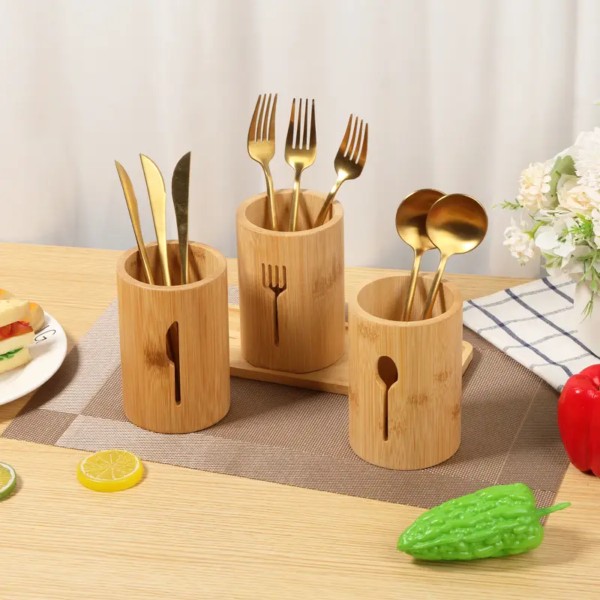
For bamboo items that touch food, always choose products explicitly labeled food-safe.
- Food-grade mineral oil and beeswax blends are the most widely recommended options for food contact. They do not leach harmful chemicals and will not spoil over time.
- Pure tung oil is generally considered safe once fully cured, but it is not the first choice for frequent food contact surfaces like cutting boards, as it requires longer curing time.
- Avoid unlabeled generic oils, finishes with added solvents, and any product that does not clearly state food-contact compliance.
For general home furniture, natural plant-based oils and water-based finishes are low-VOC, non-toxic options that do not release harmful fumes after drying, making them suitable for family homes.
How to Oil Bamboo Furniture
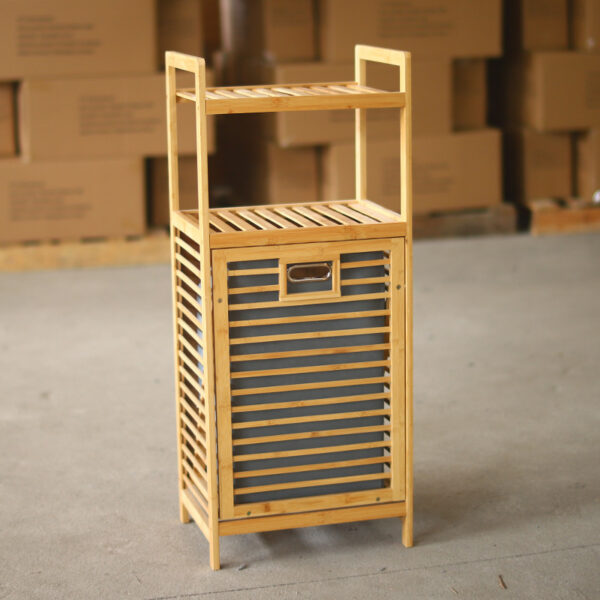
Prepare Bamboo Furniture Before Oiling
- Start with a clean, dull surface. Remove any existing wax or old finish with light sanding using fine-grit sandpaper, always sanding with the grain.
- Wipe away all dust and dirt with a clean, damp cloth, then let the surface dry completely. Oil will not absorb evenly on dirty or damp bamboo.
Application Steps
- Apply a thin, even layer of oil with a clean lint-free cloth or soft brush.
- Let the oil soak in for 15–30 minutes.
- Wipe off all excess oil with a dry cloth to avoid sticky residue.
- Let the coat dry fully (24 hours for tung oil, 1–2 hours for mineral oil/blends).
- Repeat for 2–3 thin coats for the best long-term protection.
Important: Never use vegetable oils like olive oil, canola oil or coconut oil on bamboo furniture. They will turn rancid over time, become sticky and grow bacteria.
FAQ
Which oil makes bamboo furniture waterproof?
No oil makes bamboo 100% waterproof, but tung oil creates the most water-resistant finish. It penetrates deep into the fibers to repel water and reduce damage from spills and daily use.
How often should you oil bamboo furniture?
Indoor bamboo furniture needs oiling every 3–6 months. Heavily used kitchen items and covered outdoor pieces need more frequent treatment, every 1–3 months.
Can you use olive oil on bamboo furniture?
No, olive oil and other cooking oils are not suitable for bamboo furniture. They will turn rancid over time, become sticky and promote bacteria growth. Stick to food-grade mineral oil or tung oil instead.
What oil is safe for bamboo kitchen items?
Food-grade mineral oil, beeswax and butcher block conditioner are all safe for bamboo kitchenware. Always confirm the product is explicitly labeled food-safe before use.
Can you use tung oil on bamboo cutting boards?
Pure food-safe tung oil can be used on cutting boards once fully cured, but food-grade mineral oil or butcher block conditioner are more practical choices for kitchen items, as they require no long curing time and are easy to reapply.
Conclusion
There is no single best oil for every bamboo piece — the right choice depends on use case and your priorities.
For most indoor furniture, tung oil delivers the most durable, natural-looking finish. For kitchen and food-contact items, food-grade mineral oil or butcher block conditioner is the safest pick. For quick, low-maintenance care, specialty bamboo oil blends are a convenient all-around option. With regular oiling and basic care, well-made bamboo furniture from responsible manufacturers like YESUN can stay strong and beautiful for many years.