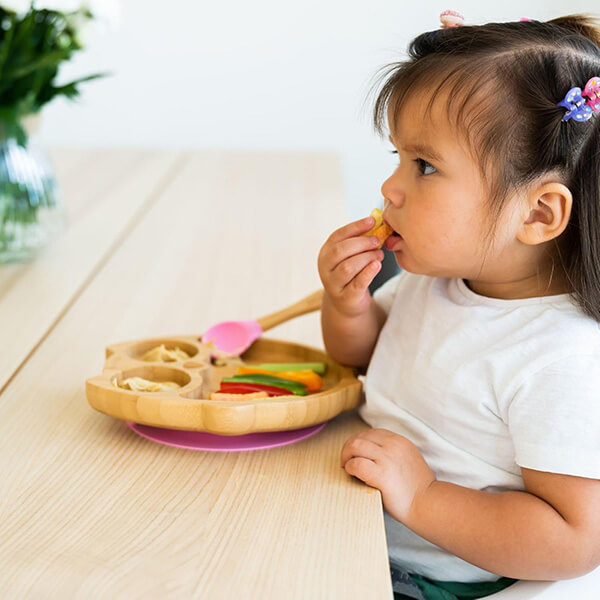
Yes, high-quality, food-grade bamboo tableware is safe for children to eat from. Pure bamboo is naturally free of BPA, lead and other harmful chemicals common in plastic tableware, making it a popular eco-friendly alternative for babies and toddlers. Its natural plant structure also has mild antibacterial properties, and its lightweight, shatter-resistant design is well suited for young children learning to self-feed. For maximum safety, choose reputable brands like YESUN that follow strict food safety standards, and practice proper cleaning and care to prevent mold and wear.
Key Takeaways
- Food-grade pure bamboo tableware is non-toxic and free of BPA, lead, melamine and formaldehyde, making it safe for kids’ daily use.
- Bamboo is a porous material; wash and dry dishes immediately after use to prevent mold and bacteria growth.
- Lightweight and shatter-resistant, bamboo dishes are suitable for babies starting solids at 6 months and up through toddler years.
- Always verify FDA, LFGB or equivalent food safety certifications before purchasing bamboo tableware for children.
- Inspect dishes regularly for cracks, chips or mold; replace damaged pieces immediately to avoid choking or contamination risks.
Why Bamboo Tableware Is Safe for Kids
Non-Toxic, Chemical-Free Material
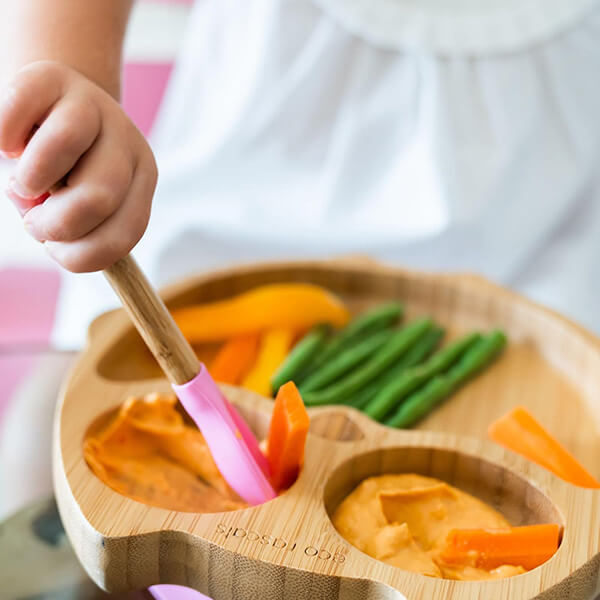
Unlike many plastic dishes, pure food-grade bamboo tableware does not contain BPA, phthalates, PFAS, lead or other harmful synthetic chemicals. It does not leach toxins into food, even when used with warm meals.
Reputable brands such as YESUN produce bamboo children’s tableware without melamine binders or formaldehyde-based adhesives, following strict global food contact safety standards. This makes bamboo a trusted choice for families looking to reduce plastic exposure for babies and toddlers.
Natural Antibacterial Properties
Bamboo naturally contains plant-based silica compounds that have mild antibacterial and antifungal effects. This helps slow the growth of common surface bacteria between washes, compared to porous plastic that can trap germs in deep scratches. While not a replacement for thorough cleaning, this natural property adds an extra layer of safety for daily mealtime use.
Kid-Friendly Physical Design
Bamboo dishes are lightweight and easy for small hands to hold, yet far more shatter-resistant than ceramic or glass. If dropped, they typically do not chip into sharp pieces, reducing injury risk during self-feeding. This combination of light weight and durability makes bamboo a top choice for babies 6 months and older who are learning to eat independently.
Potential Safety Risks of Bamboo Tableware
Bamboo is safe when manufactured and cared for correctly, but low-quality products or improper use can create avoidable risks.
Mold & Bacteria Growth
Bamboo is a naturally porous material. If left wet or soaked for long periods, moisture can seep into the fiber structure and allow mold or bacteria to grow.
How to prevent it:
- Wash dishes by hand right after meals
- Towel dry thoroughly immediately after rinsing
- Store in a well-ventilated area, not sealed in airtight bags
- Never soak bamboo dishes in water for extended periods
Important safety note: If mold spots appear, discard the dish immediately. Mold roots penetrate deep into bamboo fibers and cannot be fully removed by surface scrubbing.
Harmful Additives in Low-Quality Products
Cheaper bamboo tableware may be bound with melamine resin or formaldehyde-based glues. These additives can leach into food when heated or paired with acidic foods, posing health risks for young children.
How to avoid it:
- Buy only from brands that explicitly state “melamine-free” and “formaldehyde-free”
- Verify third-party food safety certifications
- Avoid using bamboo dishes in microwaves or with very hot food
Choking & Breakage Hazards
While bamboo is durable, prolonged chewing by teething toddlers can wear down edges and create small splinters. Deep cracks or chips can also trap bacteria and break off during use.
How to prevent it:
- Inspect dishes weekly for cracks, chips or frayed edges
- Replace damaged dishes immediately
- Do not allow children to chew on bamboo plates or utensils for long periods
Allergic Reactions
True bamboo allergies are extremely rare in children. Most skin irritation linked to bamboo tableware comes from added dyes, coatings or adhesives, not the bamboo itself.
How to prevent it:
- Choose uncoated, food-grade pure bamboo products
- Test a small area of skin with the dish before full use
- Consult a pediatrician if your child has known plant sensitivities
Choosing and Using Bamboo Tableware Safely
How to Choose Safe Bamboo Tableware for Children
Use this checklist to select safe, high-quality bamboo dishes:
- Verify food safety certifications: Look for FDA (U.S.), LFGB (EU) or equivalent food contact approval.
- Confirm clean ingredients: Ensure the product is free of BPA, melamine, formaldehyde, lead and PFAS.
- Check sourcing: FSC-certified bamboo ensures responsible, sustainable harvesting.
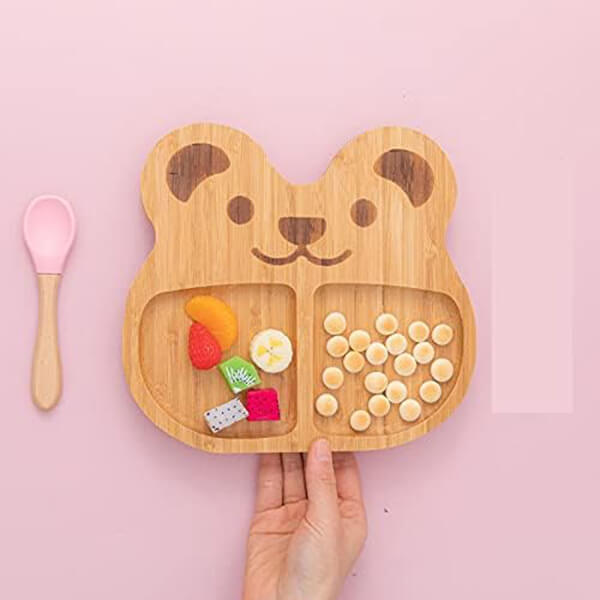
- Match age appropriateness: Pick lightweight, smooth-edged designs for babies 6 months and older.
YESUN children’s bamboo tableware meets all of these standards. The brand specializes in baby and toddler feeding products made from pure, food-safe bamboo without harmful binders or coatings. All pieces are tested to international food safety standards and designed for easy gripping by small hands.
Safe Use & Care Guidelines
Following simple care rules keeps bamboo tableware safe and extends its lifespan:
- Wash by hand only: Do not put bamboo dishes in the dishwasher. High heat and harsh detergents dry out and crack the material.
- Clean thoroughly: Scrape off food residue, then wash with warm water and mild soap. For deep cleaning, scrub with coarse salt and lemon to remove odors and surface stains.
- Dry immediately: Towel dry completely after washing. Stand dishes on edge to allow full air circulation.
- Condition regularly: Rub food-grade mineral oil into the surface once per month to seal pores and repel moisture.
- Avoid heat: Never use bamboo tableware in the microwave, oven or dishwasher.
Conclusion
Bamboo is a safe, eco-friendly, and practical choice for children’s tableware when you select high-quality, food-grade products from a trusted bamboo products manufacturer and care for them properly. The biggest safety factors are choosing certified, additive-free tableware and following simple cleaning and inspection routines.
YESUN’s bamboo baby and toddler tableware is designed specifically for safe, child-friendly feeding. Made from pure, food-safe bamboo with no harmful binders or coatings, and tested to international food safety standards, it provides parents with a reliable, non-toxic alternative to plastic children’s dishes.
FAQ
Can bamboo tableware go in the dishwasher?
No. Dishwasher heat, strong detergents and prolonged moisture will damage bamboo, causing cracking, warping and faster mold growth. Always wash bamboo dishes by hand with warm, soapy water and dry immediately.
Is bamboo tableware microwave safe?
No. Microwave heat can dry out bamboo fibers, causing cracking, warping or splintering. Always heat food in a separate microwave-safe container, then transfer it to the bamboo dish for serving.
How long does bamboo tableware last?
With proper hand washing and regular drying, high-quality bamboo children’s dishes can last 1–3 years. Lifespan depends on frequency of use and care. Replace any dish that shows cracks, chips or mold immediately.
Are bamboo plates safe for babies with sensitive skin?
For most sensitive skin babies, yes. Pure, uncoated bamboo does not contain harsh chemicals or irritants. Most reactions are caused by added dyes or coatings, so choose plain, uncoated products and test on a small area of skin first if you have concerns.
What makes bamboo better than plastic for kids?
Bamboo is naturally free of BPA, phthalates and other plastic chemicals that can leach into food. It is also more eco-friendly, biodegradable and has mild natural antibacterial properties. High-quality bamboo is also more scratch-resistant than soft plastic, which can trap bacteria in surface marks over time.