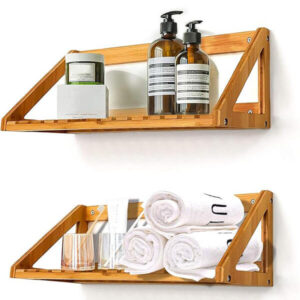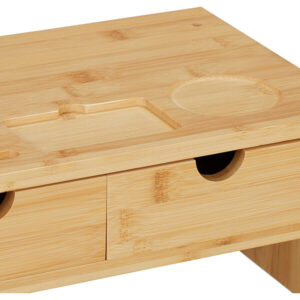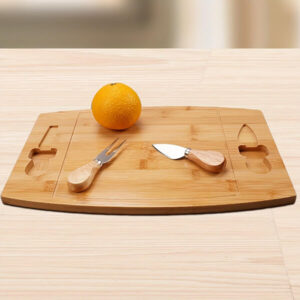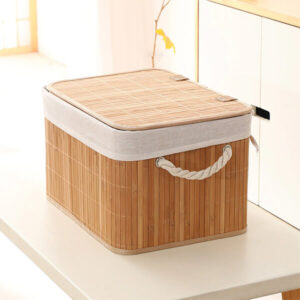
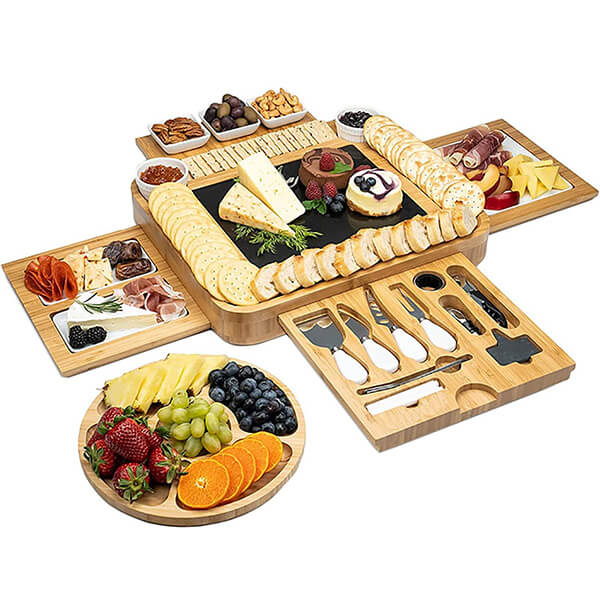
Sourcing bamboo kitchenware for wholesale requires more than finding the lowest factory price. Buyers need to evaluate material quality, food-contact safety, supplier capabilities, MOQ, pricing, quality control, lead times, and export requirements before placing a bulk order. A reliable sourcing process helps retailers, distributors, foodservice suppliers, and importers find qualified manufacturers, verify products through samples and documentation, and reduce quality problems, unexpected costs, and delivery delays.
Key Takeaways
- Work with qualified manufacturers: Compare production capabilities, product range, certifications, audits, and export experience.
- Request samples before bulk orders: Check bamboo quality, finish, odor, splinters, construction, and functionality.
- Confirm food-contact requirements: Request relevant test reports and compliance documents for your target market.
- Compare MOQ, pricing, and lead times: Make sure the supplier can meet your order volume and delivery schedule.
- Inspect before shipment: Use clear quality standards and pre-shipment inspection to reduce the risk of defective goods.
How to Find and Vet Bamboo Kitchenware Suppliers
Finding Direct Manufacturers
Start by identifying manufacturers that specialize in bamboo kitchenware rather than general trading companies. A direct manufacturer may offer better control over product specifications, customization, production schedules, and quality control.
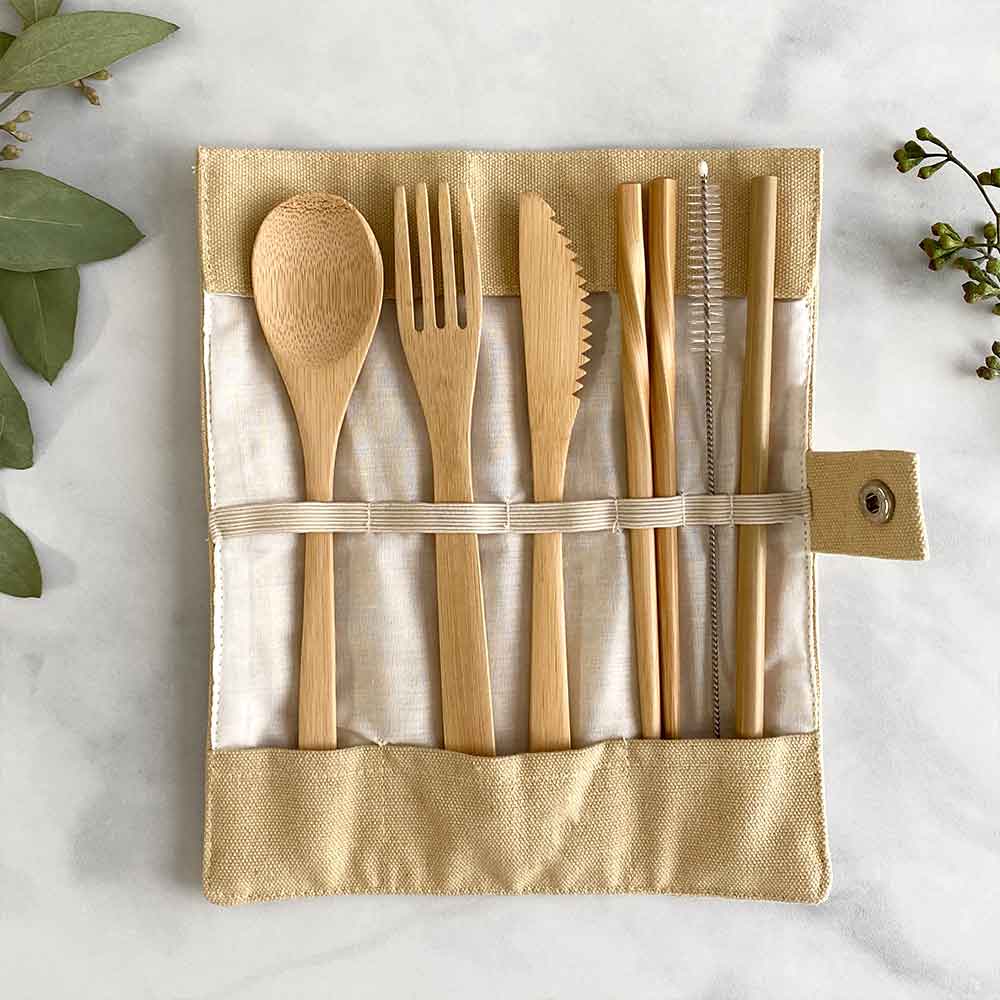
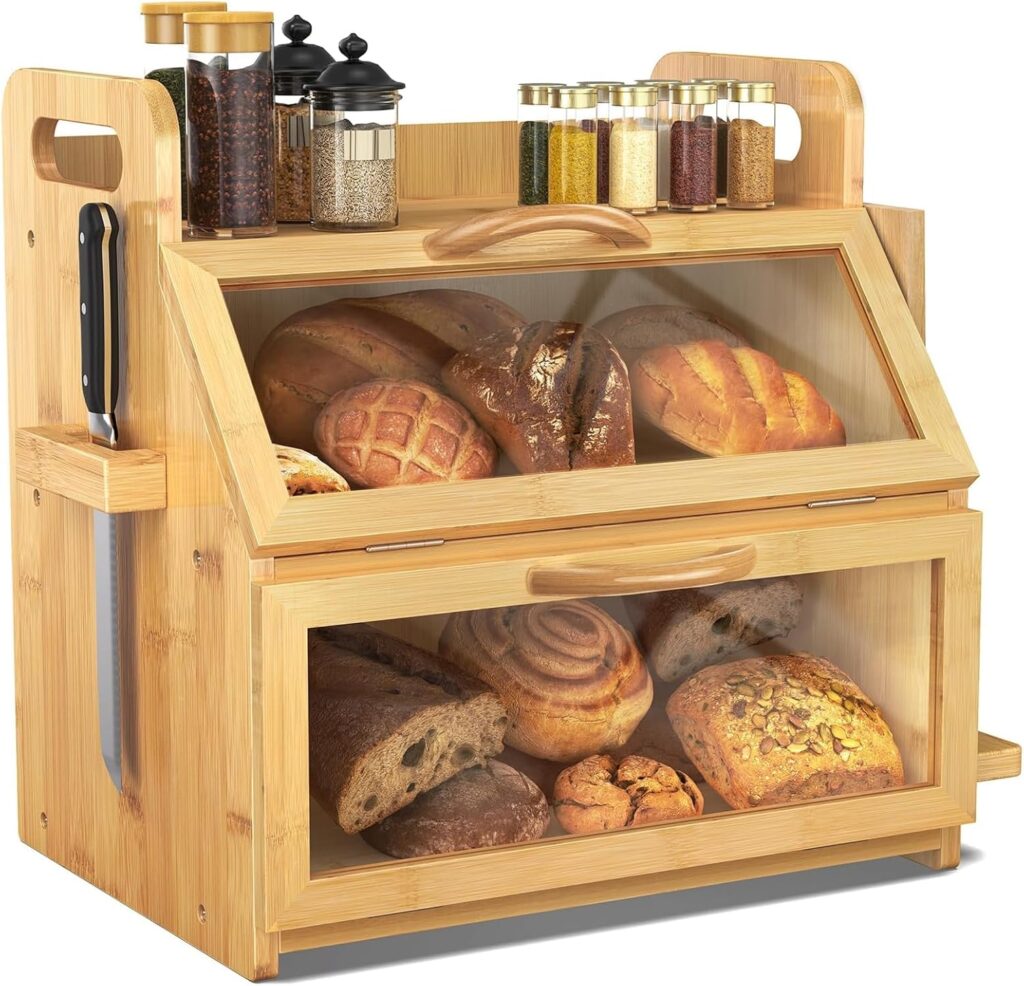
Look for suppliers with a suitable product range, stable production capacity, and experience serving international buyers. For example, a supplier such as YESUN can provide multiple bamboo kitchen and dining products, including cutting boards, utensils, bread boxes, cake stands, and cutlery trays. Working with one capable supplier can simplify product development and purchasing.
When evaluating a potential manufacturer, ask about:
- Factory location and production capabilities
- Main bamboo materials and processing methods
- Available product categories
- Customization and OEM/ODM capabilities
- Production capacity
- Export markets and experience
- MOQ and sample policy
- Quality control procedures
Do not choose a supplier based on price alone. A lower factory quote may not represent the lowest total cost if the supplier has inconsistent quality, limited capacity, or unreliable delivery.
Comparing Supplier Capabilities and Certifications
Certifications and third-party audits can help buyers evaluate a supplier, but they should not replace product testing.
FSC can provide information about responsibly sourced forest materials, while BSCI and Sedex are commonly used to assess aspects of social compliance and working conditions. Buyers should verify the scope, validity, and holder of each certification or audit rather than treating a certificate as proof of overall product quality.
More importantly, request documentation that is directly relevant to the product and market, such as:
- Material specifications
- Food-contact test reports
- Coating or adhesive information
- Relevant compliance documentation
- Factory audit reports
- Quality control procedures
A factory visit or virtual factory audit can provide additional information about raw-material handling, production equipment, finishing, packaging, and inspection processes.
How to Evaluate Bamboo Kitchenware Quality
Material Quality and Food Safety
High-quality bamboo kitchenware starts with properly processed bamboo. Buyers should check the material for splits, cracks, excessive moisture, rough surfaces, discoloration, and unusual odors.
For food-contact products, also confirm the safety of any adhesives, coatings, finishes, or other treatments used during manufacturing. The applicable requirements depend on the product, materials, and destination market.
For US sales, ask the supplier for documentation supporting applicable FDA food-contact requirements. For European markets, determine which EU food-contact requirements apply to the specific product and materials. Do not assume that one certification automatically covers every bamboo kitchenware product.
A reliable supplier should be able to provide relevant test reports and explain which materials and processes are covered.
Samples, Testing, and Quality Control
Always request samples before committing to a large wholesale order. A sample allows buyers to evaluate aspects that product photos and certificates cannot show.
Check for:
- Splinters and sharp edges
- Cracks or delamination
- Surface smoothness
- Unusual chemical or mildew odors
- Warping
- Consistent color and finish
- Joint and component quality
- Packaging protection
- Actual functionality
For larger orders, establish quality standards before production. Pre-production checks can confirm raw materials and approved samples, while in-process inspections help identify problems before the entire order is completed.
A final inspection should verify appearance, dimensions, workmanship, packaging, labeling, and quantity before shipment.
For new suppliers, starting with a smaller trial order can reduce risk and provide useful feedback before scaling to larger volumes.
How to Manage Wholesale Bamboo Kitchenware Orders
MOQ, Pricing, and Lead Times
MOQ varies significantly by product, size, customization, and production process. Instead of relying on general industry figures, ask each supplier to provide the MOQ for your specific products and specifications.
When comparing quotations, confirm whether the price includes:
- Product customization
- Packaging
- Printing
- Tooling or mold costs
- Sample charges
- Inspection costs
- Shipping terms
Ask for volume-based pricing if you expect to increase order quantities. A supplier should also provide a realistic production lead time and explain how custom artwork, sampling, or packaging approval may affect the schedule.
For imported orders, calculate production time + shipping time + customs clearance rather than considering factory lead time alone.
Customs, Compliance, and Shipping
Before shipping bamboo kitchenware internationally, confirm the correct tariff classification with your customs broker or relevant customs authority. HS classification can vary according to the specific product, material, and country, so buyers should not automatically apply one code to every bamboo kitchenware item.
Also confirm whether your destination requires additional documentation for bamboo products. Depending on the product and market, requirements may involve:
- Commercial invoice
- Packing list
- Certificate of origin
- Product compliance documents
- Food-contact documentation
- Plant-health or phytosanitary documentation where applicable
Ask suppliers about their previous export experience and ability to prepare shipping documents correctly. A manufacturer familiar with international orders can help reduce documentation errors and communication problems.
For large or recurring orders, agree in advance on Incoterms, packaging specifications, shipping method, inspection arrangements, and delivery responsibilities.
Conclusion
Sourcing high-quality bamboo kitchenware for wholesale is a process of finding qualified manufacturers, verifying product quality, testing samples, confirming compliance, and managing commercial and logistics requirements.
Do not select a supplier based solely on price or certificates. Compare manufacturing capabilities, request samples, establish quality standards, and confirm MOQ, lead time, documentation, and shipping terms before placing a bulk order.
A small trial order can be a practical final step before moving to larger volumes and building a long-term supplier relationship.
FAQ
How do I find a reliable bamboo kitchenware manufacturer?
Look for manufacturers with relevant production experience, stable capacity, international export experience, suitable certifications or audits, and clear quality-control procedures. Always request samples before placing a large order.
What should I check in bamboo kitchenware samples?
Check for splinters, cracks, warping, rough edges, unusual odors, surface quality, workmanship, dimensions, and functionality. Also verify the materials, coatings, adhesives, and relevant food-contact documentation.
What certifications should I look for when sourcing bamboo kitchenware?
FSC can help verify responsible material sourcing, while BSCI and Sedex can provide information about social-compliance practices. For food-contact products, request the specific compliance and test documentation required in your target market.
How can I reduce the risk of a wholesale bamboo kitchenware order?
Start with samples or a small trial order, approve a production sample, establish clear quality standards, and arrange inspection before shipment. Confirm MOQ, pricing, lead time, packaging, and compliance requirements in writing.
What should I confirm before importing bamboo kitchenware?
Confirm the correct HS classification, applicable food-contact requirements, required import documents, packaging specifications, Incoterms, shipping method, and customs responsibilities before production and shipment.