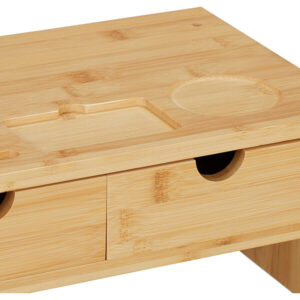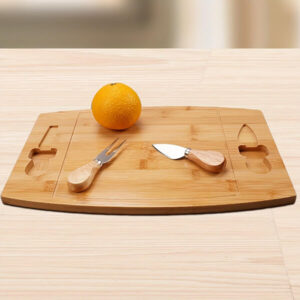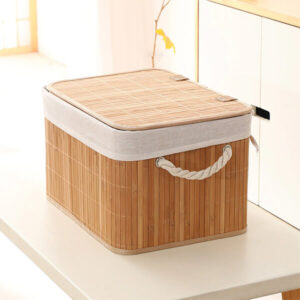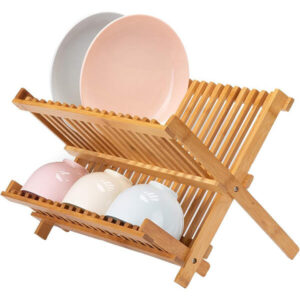
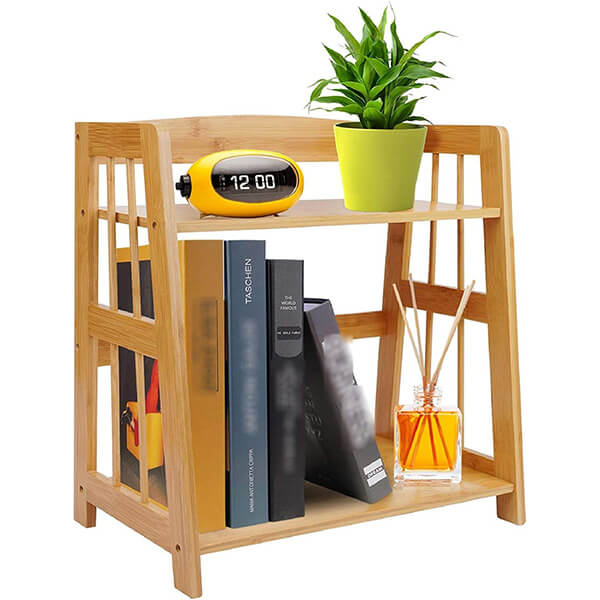
Cracked bamboo furniture can be fixed easily with basic household supplies, and proper DIY restoration restores both its original beauty and structural stability. Before starting any repair, inspect cracks closely to judge their depth and severity, then match tools and materials to the damage level for long-lasting results. Premium bamboo pieces like YESUN Bamboo Kitchen Storage Rack feature uniform solid bamboo panels that are simple to restore at home with standard DIY kits.
Key Takeaways
- Classify cracks first: shallow surface hairline cracks only affect appearance, while deep through splits create structural weakness requiring heavy-duty bonding.
- Match supplies to damage: wax & mineral oil for minor surface cracks; Titebond III wood glue, epoxy and C-clamps for deep structural splits.
- Follow a standard workflow: full surface cleaning → complete drying → sanding → filling/bonding → clamping/curing → sealing & finishing.
- Monthly routine inspections catch tiny cracks early, avoiding costly large-scale structural repairs.
- Timely crack repair and regular oil/wax maintenance extend bamboo furniture’s service life significantly.
Identify Bamboo Furniture Crack Types & Structural Damage
Surface Cracks vs Deep Through Splits
The first step of reliable repair is telling two major crack types apart. Shine a flashlight along the crack edge to check penetration depth.
| Feature | Surface Hairline Cracks | Deep Through Splits |
|---|---|---|
| Penetration | Does not run through the full bamboo thickness | Fully penetrates the bamboo panel |
| Appearance | Thin, faint linear marks | Wide, obvious separation gaps |
| Root Cause | Dry/humid air fluctuations, minor daily abrasion | Rapid uneven drying, heavy impact, overloading |
| Structural Risk | Zero stability threat | Weakens joints and load-bearing sections |
Hidden Structural Warning Signs
Cracks are not the only red flag. Inspect joints monthly for these hidden defects:
- Loose, wobbly connecting joints
- Visible gaps between spliced bamboo slats
- Shaky movement when pushing or lifting the furniture
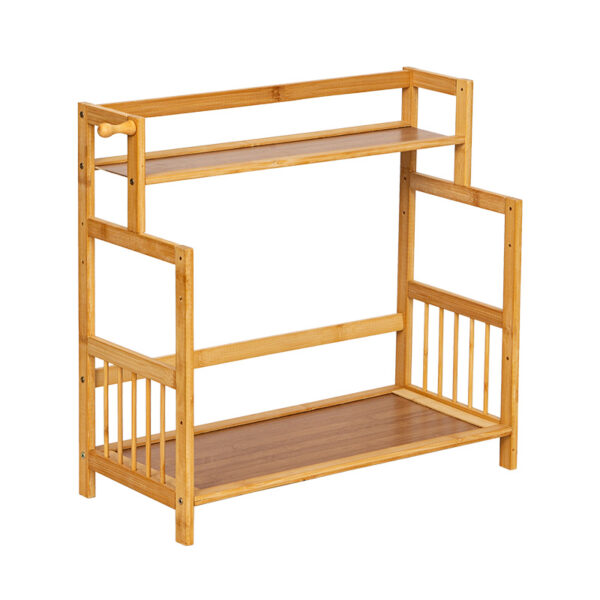
Over long-term daily use, joint gaps may appear on multi-tier bamboo storage racks. Early touch-up bonding prevents splits from expanding.
Tools & Materials for Repairing Bamboo Furniture Damage
Supplies for Minor Surface Hairline Cracks
Light surface damage only needs gentle filling and polishing supplies, with a low total cost of $6–8.
- 220-grit sandpaper
- Food-grade mineral oil, virgin coconut oil
- Beeswax pellets
- Soft cleaning cloth, mild dish soap
- Epoxy + fine bamboo sawdust (for slightly wider surface fissures)
Heavy-Duty Supplies for Deep Structural Splits
Deep through cracks need strong adhesive, clamping and reinforcing materials to recover load-bearing strength:
- Titebond III waterproof wood glue
- Clear epoxy resin
- C-clamps
- Glue injection syringe
- Linen reinforcing strips
- Scrap bamboo sawdust, replacement bamboo strips
- White vinegar (pre-cleaning), disposable protective gloves
Tip: Titebond III delivers flexible, water-resistant bonding ideal for bamboo; only uncured excess glue can be wiped away with water. Fully cured glue is waterproof and cannot be washed off.
Step-by-Step Bamboo Furniture DIY Repair Tutorial
Shallow Surface Hairline Cracks
This method fixes thin cosmetic cracks without impacting the furniture’s structure.
- Clean the cracked area with mild dish soap and a soft cloth to remove dust, grease and debris.
- Leave the furniture to air-dry 100% — residual moisture stops fillers from adhering firmly.
- Sand the cracked zone lightly with 220-grit sandpaper to strip old glossy finish and smooth rough edges.
- Wipe away all sanding dust completely.
- Mix epoxy with fine bamboo sawdust to create a matching wood-toned filler paste.
- Press the filler deep into the crack with a small brush or fingertip, scraping off excess paste immediately before it hardens.
- Allow the filler to cure fully for several hours.
- Rub the restored area with virgin coconut oil to revive natural bamboo luster.
- Wax the entire furniture surface to seal and lock in moisture balance, preventing new cracks.
Deep Structural Through Splits
Deep splits cut through bamboo panels and weaken joints; rigid clamping and long curing time are mandatory.
- Clean the split gap with soapy water, trimming loose bamboo fragments with small scissors.
- Air-dry the whole piece thoroughly to eliminate trapped moisture inside the crack.
- Sand surrounding surfaces to remove worn finish and rough broken edges.
- Load Titebond III glue or epoxy resin into a syringe, injecting adhesive deep into the full length of the split. Rotate the rack gently to distribute glue evenly around circular cracks.
- Secure the split tightly with C-clamps — apply steady pressure without squeezing all adhesive out of the joint.
- Wrap linen strips around the repaired section for extra structural reinforcement.
- Wipe away overflowing glue right away before it solidifies.
- Let the adhesive cure undisturbed for a minimum of 24 hours, following official glue curing guidelines.
- Remove clamps and linen wraps, then sand the repaired spot smooth again.
- Apply coconut oil to restore shine, then wax the full surface for long-term moisture protection.
Preventive Maintenance to Avoid New Cracks
- Monthly full inspection: Check all panels and joints for emerging tiny cracks.
- Regular moisturizing care: Wipe bamboo with mineral oil or coconut oil every 2–3 months to stop dryness-induced cracking.
- Stable indoor humidity: Avoid placing bamboo furniture near direct heaters, air conditioners or drafty windows.
- Load control: Do not overload multi-tier bamboo storage racks beyond their rated weight capacity.
Conclusion
Repairing cracked bamboo furniture is an accessible DIY project for all skill levels. The core rule is to match your repair materials and workflow to crack depth: use wax-oil filler for light cosmetic cracks, and heavy-duty glue + clamping for deep structural splits.
Routine monthly inspections and regular moisturizing wax care drastically reduce crack formation. If you own a YESUN bamboo kitchen storage rack, the solid bamboo construction makes at-home restoration straightforward, keeping your furniture stable and naturally beautiful for long-term daily use.
FAQ
How often should I inspect bamboo furniture for cracks?
A monthly full inspection is recommended. Spotting minor hairline cracks early avoids expensive structural split repairs later.
Can ordinary white wood glue be used on bamboo?
Titebond III waterproof wood glue is the top choice. It flexes with bamboo’s natural expansion and contraction and resists moisture. Standard white school glue has weak water resistance and will fail quickly on bamboo furniture.
What’s the correct pre-repair cleaning method for bamboo?
Wipe the surface with a soft damp cloth mixed with mild dish soap, then let it air-dry completely. Any trapped moisture inside cracks will stop glue or epoxy from forming a solid bond.
Is YESUN Bamboo Kitchen Storage Rack easy to repair by DIY?
YESUN’s bamboo storage racks are constructed with solid, uniform bamboo slats. All common hairline cracks and joint splits can be fully restored with basic DIY tools and the repair steps above. Consistent oil and wax maintenance keeps the rack sturdy and attractive for years.