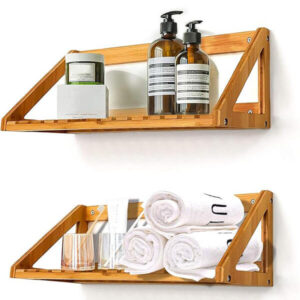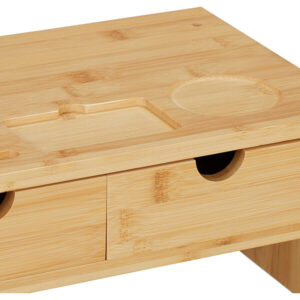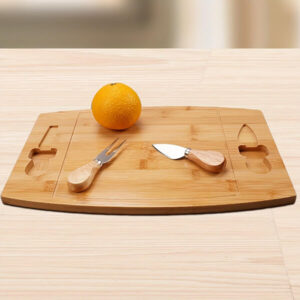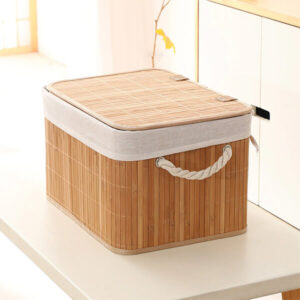
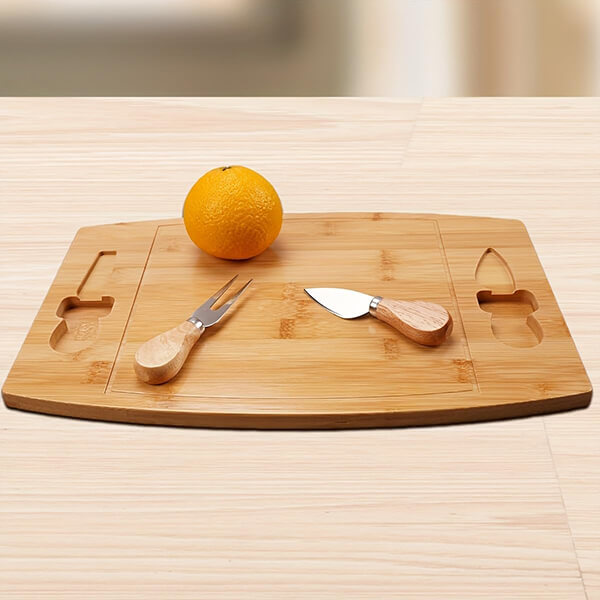
Yes, absolutely anyone can paint a bamboo tray—it’s one of the easiest and most affordable DIY home decor projects. Tired of plain, generic bamboo trays that don’t match your kitchen style? With just a few simple tools and basic steps, you can transform a plain bamboo tray into a custom piece that fits your home perfectly.
Painting a bamboo tray is not only fun but also eco-friendly. It lets you upcycle old trays or customize new ones to match any decor theme. Beginners love this project because it requires no special skills and forgives small mistakes.
Key Takeaways
- Anyone can paint a bamboo tray with simple tools and basic skills
- Proper cleaning and sanding are essential for long-lasting paint adhesion
- Acrylic paint is the best choice for bamboo trays; spray paint works great for solid colors
- Always seal your painted tray with a clear topcoat to protect the design
- With proper care, a painted bamboo tray can last for many years
Is It Possible to Paint a Bamboo Tray?
Yes, bamboo is an excellent material for painting. Its natural porous surface accepts paint well when properly prepared, and its lightweight yet durable construction makes it easy to work with.
Bamboo’s unique properties make it ideal for DIY painting projects:
- Smooth surface that shows colors and patterns beautifully
- Lightweight and easy to handle while painting
- Strong and durable, so paint will not chip or peel easily
- Flexible enough to accommodate brush, spray, or dip painting techniques
A well-painted bamboo tray can be used for serving food, displaying decor, organizing small items, or as a centerpiece on any table. You don’t need any artistic experience—start with simple designs and get more creative as you practice.
Pro Tip: Choose a high-quality bamboo tray with a smooth finish for the best results. Premium bamboo products like those from YESUN are made from sustainably harvested bamboo and have a consistent surface that takes paint perfectly.
How to Prepare a Bamboo Tray for Painting
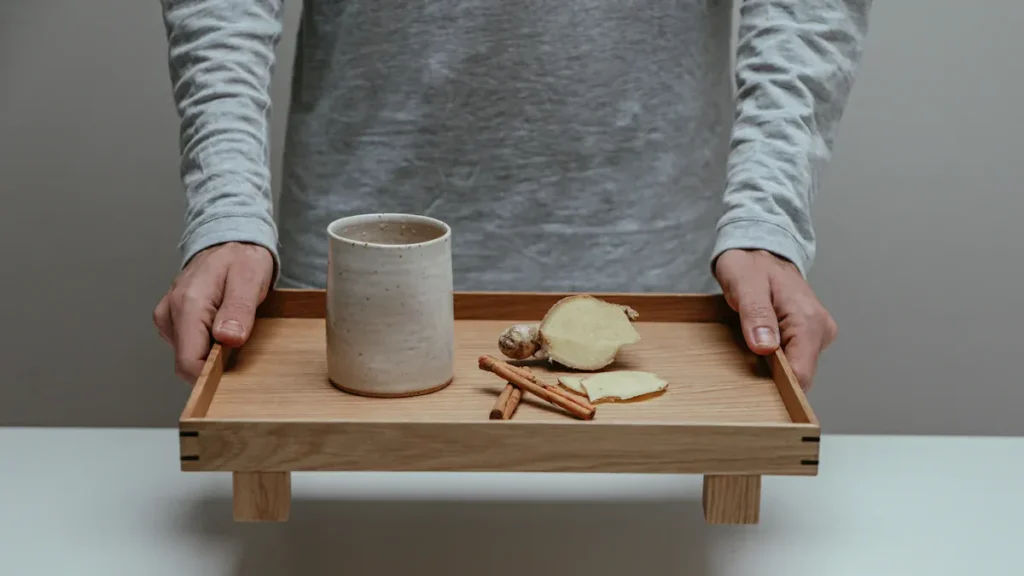
Proper preparation is the most important step for a successful paint job. Skipping these steps will result in paint that peels, chips, or looks uneven.
Step 1: Clean Thoroughly
Remove all dust, oils, and stains from the tray surface. Use one of these gentle cleaning solutions:
| Cleaner | Recipe | Benefits |
|---|---|---|
| DIY Natural Cleaner | 1 tsp mild soap + 2 cups warm water + 1 tbsp white vinegar | Gentle, non-toxic, removes grime effectively |
| Ecover All-Purpose Cleaner | Ready-to-use | pH-neutral, eco-friendly, won’t damage bamboo |
Wipe the entire tray with a soft cloth, then rinse with clean water and let it dry completely for at least 2 hours.
Step 2: Sand the Surface
Use 220-grit fine sandpaper to gently sand the entire tray in the direction of the bamboo grain. This removes the smooth outer layer and creates a rough surface for paint to stick to.
After sanding, wipe away all dust with a tack cloth or damp microfiber cloth. Make sure no dust remains before moving to the next step.
Step 3: Apply Primer (Optional but Recommended)
Primer helps paint adhere better and creates a uniform base for your colors. It is especially important if:
- You are painting a dark tray with a light color
- The tray has stains or discoloration
- You want a very smooth, professional finish
Apply a thin coat of acrylic primer and let it dry completely according to the manufacturer’s instructions.
Best Paint and Techniques for Bamboo Trays
Best Paint Types for Bamboo Trays
When choosing paint, its durability should be considered. This is especially important for trays used in the kitchen or outdoors. The table below lists several types of durable paint:
| Paint Type | Description | Best For | Pros | Cons |
|---|---|---|---|---|
| Acrylic Paint | Water-based, fast-drying | Detailed designs, patterns, multi-color projects | Wide color range, easy to clean up, non-toxic | May require multiple coats |
| Spray Paint | Aerosol application | Solid colors, large surfaces | Fast, even coverage, no brush marks | Less control for details |
| Chalk Paint | Matte finish | Vintage, farmhouse style | No primer needed, easy to distress | Requires sealing |
Painting Techniques
- Brush Painting: Best for detailed designs, patterns, and lettering. Use synthetic brushes for smooth results.
- Spray Painting: Fastest method for solid base coats. Apply thin, even coats and let each coat dry before adding another.
- Dip Painting: Creates a smooth, uniform finish. Dip the entire tray or just the edges for a two-tone look.
- Stenciling: Perfect for neat, repeatable patterns. Use painter’s tape to secure stencils and prevent bleeding.
Popular Design Ideas
- Solid colors with metallic accents
- Stripes, polka dots, or geometric patterns
- Nature-inspired designs like leaves or flowers
- Hand-lettered quotes or monograms
- Two-tone designs with contrasting edges
How to Seal and Maintain Painted Bamboo Trays
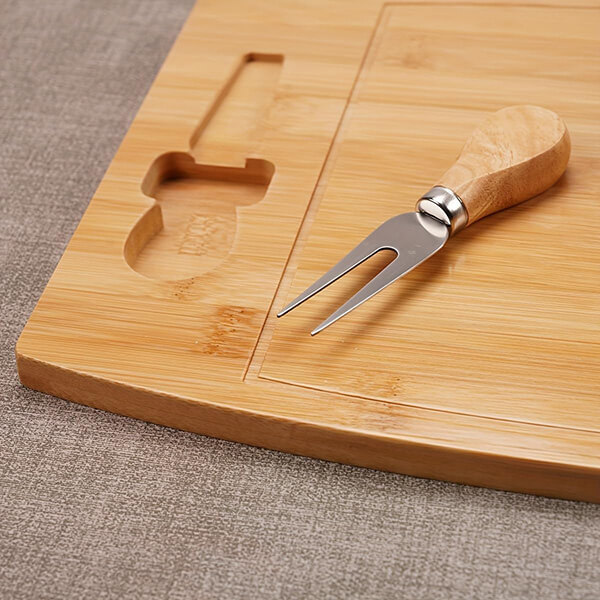
Sealing is the final and most important step to protect your painted design and make it last.
Step 1: Let Paint Cure Completely
After finishing your painting, let the tray dry in a well-ventilated area for 24 hours. For maximum durability, let it cure for 3 full days before using.
Step 2: Choose the Right Sealant
| Sealant | Protection Level | Finish | Best Use |
|---|---|---|---|
| Clear Acrylic Spray | Moderate | Glossy/Satin | Indoor decorative trays |
| Tung Oil | High | Natural Satin | Everyday use trays |
| Spar Urethane | Very High | Glossy | Outdoor or heavy-use trays |
Apply 2-3 thin coats of sealant, letting each coat dry completely before adding the next.
Long-Term Care Tips
- Wipe clean with a soft, damp cloth only
- Never soak the tray in water or put it in the dishwasher
- Avoid using harsh cleaners or abrasive sponges
- Keep away from direct sunlight to prevent fading
- Reapply a thin coat of sealant every 1-2 years as needed
Common Problems and Solutions
| Problem | Cause | Solution |
|---|---|---|
| Paint peeling | Poor surface preparation | Sand the area thoroughly, clean, and repaint |
| Brush marks | Thick paint or wrong brush | Use thinner coats and high-quality synthetic brushes |
| Uneven coverage | Too little paint or rushed application | Apply additional thin coats |
| Bubbles | Moisture or dust in the paint | Sand the area smooth and repaint |
Remember: Mistakes are part of the creative process. Most issues can be easily fixed with a little sanding and a fresh coat of paint.
Conclusion
Painting a bamboo tray is an easy and creative way to personalize home décor while giving new life to a functional everyday item. With proper preparation, suitable paint, and a protective finish, a bamboo tray can achieve both long-lasting durability and a customized appearance.
As a professional bamboo products manufacturer, YESUN provides high-quality bamboo trays for home decor, customization, and OEM/ODM projects. With years of manufacturing experience and flexible production capabilities, we offer reliable wholesale bamboo solutions tailored to different market and branding needs.
FAQ
What is the best paint for bamboo trays?
Acrylic paint is the best overall choice for bamboo trays. It is water-based, non-toxic, dries quickly, and comes in a wide range of colors. Spray paint is also a great option for solid colors.
Do I need to prime bamboo before painting?
Primer is not always required but is highly recommended. It helps paint adhere better, creates a more even finish, and makes colors look more vibrant.
How long does paint take to dry on bamboo?
Most acrylic paints dry to the touch in 1-2 hours. Spray paint dries even faster. For maximum durability, let the tray cure for 3 full days before using.
Can I wash a painted bamboo tray?
You should never soak a painted bamboo tray in water. Instead, wipe it clean with a soft, damp cloth. Avoid using harsh cleaners or scrubbing too hard.
Can I paint over an already painted bamboo tray?
Yes. Simply sand the existing paint lightly to create a rough surface, clean thoroughly, and apply your new paint.