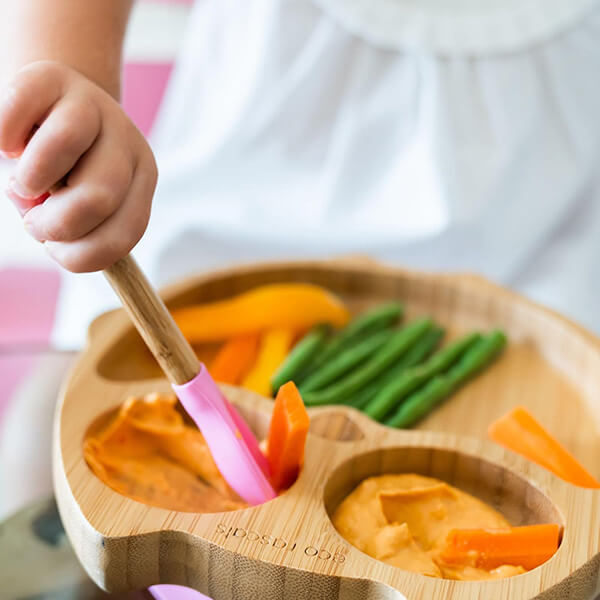
Yes, most high-quality bamboo plates are designed to be washed and reused many times. However, there are two distinct types: single-use disposable bamboo plates and durable reusable bamboo plates. Always check the product label before washing to ensure safety and longevity.
Reusable bamboo plates are an eco-friendly alternative to plastic and paper plates. They are strong, lightweight and naturally antibacterial, making them perfect for both home use and commercial settings like restaurants and hotels.
Key Takeaways
- Bamboo plates come in single-use and reusable varieties; check labels for care instructions
- Hand washing with warm water and mild soap is the safest cleaning method
- Never soak bamboo plates in water for more than 10 minutes to prevent warping and mold
- Dry plates completely before storing to prevent mold growth
- Apply food-safe mineral oil monthly to extend their lifespan
- Reusable bamboo plates reduce waste and are more sustainable than disposable options
Are Bamboo Plates Reusable?

Single-Use vs. Reusable Bamboo Plates
There are two main types of bamboo plates on the market:
- Single-use bamboo plates: Thin, lightweight and designed for one-time use at parties, picnics or events. They are not meant to be washed and reused.
- Reusable bamboo plates: Thicker, sturdier and made to withstand repeated washing. They can last for years with proper care.
How to Tell if a Bamboo Plate Is Reusable
Not all bamboo plates are created equal. About 62% of bamboo tableware imported to the U.S. uses urea-formaldehyde resin binders, which can release harmful chemicals for up to two years, especially when exposed to heat.
To identify a safe reusable bamboo plate:
- Check the label for words like “reusable,” “dishwasher safe” or “food safe”
- Look for third-party certifications like FDA, LFGB or FSC
- Reusable plates feel thick and heavy; single-use plates bend easily
- Avoid plates with a strong chemical smell
Manufacturer Care Instructions
Always follow the manufacturer’s care instructions for the best results. YESUN provides clear, detailed care guides with all their bamboo products, ensuring customers can safely use and maintain their dinnerware for years.
How to Wash Bamboo Plates Properly
Proper cleaning is essential to keep bamboo plates safe and extend their lifespan. Bamboo contains a natural antibacterial substance called bamboo kun, which helps fight germs and fungi. However, scratches and water damage can reduce these benefits.
Hand Washing (Recommended)
Hand washing is the safest and most effective way to clean reusable bamboo plates:
- Rinse plates immediately after use to remove food residue
- Wash with warm water and mild dish soap using a soft sponge
- Do not soak for more than 10 minutes
- Rinse thoroughly with clean water
- Dry immediately with a towel, then air-dry completely on a raised rack
Can Bamboo Plates Go in the Dishwasher?
Some brands advertise their bamboo plates as dishwasher safe, but most experts recommend hand washing. Dishwashers use high heat and strong water jets that can cause bamboo to swell, crack or lose its finish over time.
If you must use a dishwasher:
- Use the lowest temperature setting (below 70°C/158°F)
- Choose the gentle or eco cycle
- Place plates on the top rack away from the heating element
- Avoid using harsh detergents or bleach
Drying and Storage Tips
Thorough drying is the most important step in preventing mold and warping:
- Air-dry plates completely on a raised rack before stacking
- Store in a cool, dry place with good air circulation
- Keep away from direct sunlight, which can cause fading and drying
- Maintain humidity levels between 40% and 60%
How Long Do Reusable Bamboo Plates Last?
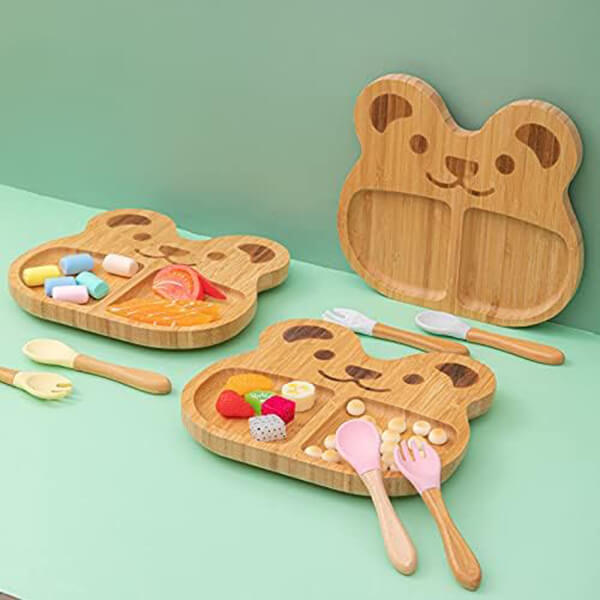
The lifespan of reusable bamboo plates depends on their quality and how well they are cared for:
- Low-quality bamboo fiber plates: 2-3 months with regular use
- High-quality factory-made plates: 1-3 years
- Solid handmade bamboo plates: 5-10 years or more
Signs It’s Time to Replace Your Bamboo Plates
Replace your bamboo plates if you notice any of these signs:
- Cracks, splits or deep scratches
- Warping or bending out of shape
- Faded color or rough texture
- Persistent mold or bad odor that cannot be removed
Tips to Extend Their Lifespan
- Apply food-safe mineral oil once a month to prevent drying and cracking
- Avoid using abrasive sponges or scouring pads
- Do not use in microwaves, ovens or freezers
- Do not use for very hot foods (above 100°C/212°F) or acidic foods
- Wipe down with a damp cloth weekly to remove dust and residue
Benefits of Reusable Bamboo Plates
Sustainability and Waste Reduction
Reusable bamboo plates are one of the most eco-friendly dinnerware options available:
- Bamboo is the fastest-growing plant in the world, growing up to 3 feet per day
- It does not need to be replanted after harvesting
- Bamboo plates biodegrade completely in 6-12 months, compared to 450+ years for plastic
- Reusable plates reduce waste significantly compared to disposable options
Cost-Effectiveness
While reusable bamboo plates have a higher upfront cost, they save money in the long run. A set of high-quality bamboo plates can last for years, eliminating the need to constantly buy disposable plates.
Why Businesses Are Choosing Bamboo Dinnerware
More and more restaurants, hotels and cafes are switching to bamboo dinnerware to meet customer demand for sustainable options. Bamboo plates are durable, attractive and help businesses reduce their environmental footprint.
YESUN is a trusted supplier of commercial-grade bamboo dinnerware, with certifications from BSCI, Sedex and Disney. Their products are used by businesses worldwide and have received over 4,000 five-star reviews from satisfied customers.
Conclusion
High-quality bamboo plates can be safely washed and reused many times with proper care. They are an eco-friendly, durable and cost-effective alternative to plastic and paper plates for both home and commercial use.
For businesses looking to switch to sustainable dinnerware, YESUN offers a complete range of FSC-certified reusable bamboo products. Contact our team today to learn more about their custom solutions and bulk pricing options.
FAQ
Can bamboo plates be used for hot foods?
Yes, bamboo plates can safely hold hot foods up to 100°C (212°F). However, they should not be used in microwaves, ovens or on stovetops, as excessive heat can cause warping or cracking.
Are bamboo plates safe for children?
Yes, high-quality bamboo plates are safe for children. They are naturally non-toxic, BPA-free and have smooth edges that prevent injuries. Always choose plates from reputable brands that meet food safety standards.
How do I remove stains from bamboo plates?
For stubborn stains, make a paste of baking soda and water and gently scrub the affected area. Rinse thoroughly and dry completely. Do not use bleach or harsh cleaners.
Can bamboo plates be composted?
Yes, pure bamboo plates can be composted at the end of their lifespan. Remove any silicone or plastic parts first. Bamboo breaks down quickly in compost, returning nutrients to the soil.
Do bamboo plates absorb odors?
Bamboo plates are naturally resistant to odors due to their antibacterial properties. If a plate develops a smell, wash it with a solution of vinegar and water, then dry thoroughly.