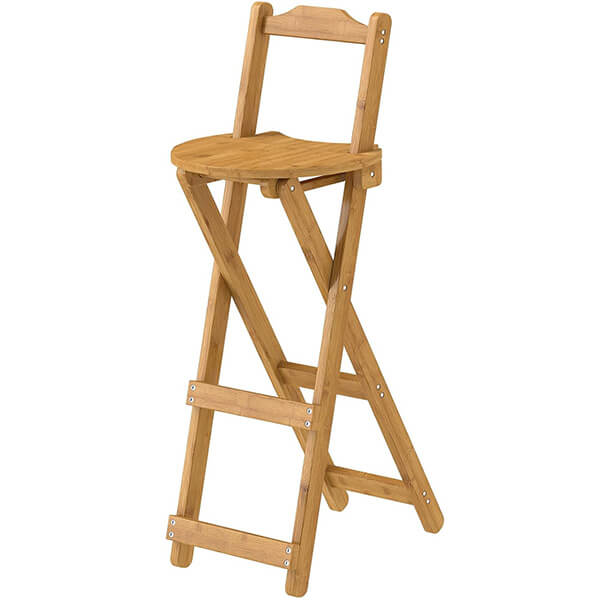
Bamboo furniture can absolutely be repaired in most cases. If you’ve ever noticed a bamboo chair starting to wobble or a table developing scratches, there’s no need to replace it right away. Bamboo is a strong, flexible material, and many common issues can be fixed easily at home with simple tools.
Repairing bamboo furniture not only saves money but also supports a more sustainable lifestyle. Bamboo grows much faster than traditional hardwood and requires fewer resources to produce. By choosing to repair instead of replace, you reduce waste and extend the life of your furniture—keeping it functional and looking great for years to come.
Key Takeaways
- Most bamboo furniture damage can be repaired easily at home with basic tools
- Common issues include surface cracks, loose joints, mold, and woven section damage
- Always clean and dry bamboo thoroughly before starting any repairs
- Regular cleaning and waterproofing extend the lifespan of bamboo furniture
- Seek professional help for major structural damage or complex repairs
Common Types of Bamboo Furniture Damage
Bamboo furniture is strong and durable, but it can get damaged over time from daily use, weather exposure, or accidents. Knowing what to look for helps you fix problems early before they get worse.
The table below lists some of the most common types of damage to bamboo furniture:
| Type of Damage | Description |
|---|---|
| Surface Cracks & Scratches | Fine lines or marks from daily use and moving objects |
| Loose Joints | Wobbly legs, arms, or frames from repeated use |
| Structural Breaks | Cracked or broken legs, rails, or support beams |
| Woven Section Damage | Frayed, broken, or loose rattan/bamboo weaving |
| Mold & Mildew | Dark spots and discoloration from moisture exposure |
| Sun Fading | Lightening or discoloration from direct sunlight |
Surface Cracks and Scratches
Small cracks and scratches are the most common issues. They usually don’t affect the structural integrity of the furniture but can make it look worn. Most can be fixed in just a few minutes with simple materials.
Structural Breaks and Loose Joints
Loose joints happen when the glue holding pieces together wears out over time. In severe cases, legs or armrests can break completely. These repairs are still manageable at home for most people.
Woven and Decorative Parts
Many bamboo chairs and tables have woven seats or backs. These areas can fray or come loose with heavy use. Small repairs are easy to do yourself, but large re-weaving projects may require a professional.
Mold and Weather Effects
Moisture is the biggest enemy of bamboo furniture. Outdoor pieces are especially vulnerable to rain, humidity, and sun damage. Mold not only looks bad but can also weaken the bamboo over time.
Pro Tip: Inspect your bamboo furniture every 3–6 months. Catching damage early makes repairs easier and cheaper.
How to Repair Bamboo Furniture
Cleaning and Preparation
Always clean bamboo furniture thoroughly before starting any repairs. Dust and dirt can hide cracks and prevent adhesives from sticking properly.The following are the preparation steps before repairing bamboo furniture:
- Wipe off all dust with a dry microfiber cloth
- Mix a solution of warm water, mild dish soap, and a splash of white vinegar
- Wipe the bamboo along the grain with a damp (not soaking) cloth
- Use a soft-bristled brush for woven areas or hard-to-reach spots
- Rinse with a clean, damp cloth
- Dry immediately with a dry microfiber cloth
- Let it air dry completely for 24 hours before starting repairs
For tough stains, make a paste of baking soda and water. Gently rub it into the stain, then wipe clean.
Filling Cracks and Chips
For small cracks and chips:
- Sand the area lightly with fine-grit sandpaper (220–320 grit)
- Apply water-based wood filler or specialty bamboo filler with a putty knife
- Smooth the surface and remove any excess filler
- Let it dry completely according to the product instructions
- Sand the area again to make it smooth and even
- Apply a matching finish or sealant
For larger cracks, use two-part epoxy adhesive for maximum strength.
Fixing Structural Issues
Loose joints are the most common structural problem:
- Disassemble the joint if possible
- Clean all old glue from both surfaces
- Apply a thin layer of wood glue or epoxy
- Reassemble the joint and clamp it tightly
- Wipe away any excess glue with a damp cloth
- Let it dry for 24–48 hours before removing the clamps
For broken legs or beams, reinforce the repair with wood dowels or screws for extra strength.
Repairing Woven Sections
The woven parts of bamboo furniture may wear out or break. Here are some methods to repair rattan and bamboo woven parts:
- Small frays: Apply a small amount of clear wood glue to the frayed area. Press it back into place and let it dry.
- Broken strips: Replace the broken strip with a matching piece of bamboo or rattan. Glue it in place and trim any excess.
- Large damage: For extensive weaving damage, it’s usually best to hire a professional furniture restorer.
Treating Mold and Moisture
Mold and water can damage bamboo furniture. Understanding how to repair moldy bamboo furniture can help ensure its safety and appearance. The best methods are as follows:
- Mix equal parts white vinegar and water
- Scrub the moldy area with a soft brush
- Wipe clean with a damp cloth
- Dry thoroughly with a towel
- Let it air dry completely in a well-ventilated area
- Apply an antifungal bamboo preservative
- Finish with a waterproof sealant
Tools and Materials for Bamboo Furniture Repair
Essential Tools
Repairing bamboo furniture requires the right tools. These tools can help you mend cracks and loose joints, as well as repair worn areas. Many experts recommend using the following tools:
- Sandpaper (80, 120, 220, and 320 grit)
- Wood clamps (various sizes)
- Soft-bristled brushes
- Microfiber cloths
- Putty knife
- Safety gloves and goggles
- Measuring tape
These tools make repairing chairs or tables much easier. They also help you work safely and keep your work environment clean.
Recommended Materials
Choosing high-quality materials is crucial for a strong repair and also helps prolong the durability of the repair. Experts recommend using environmentally friendly products. The table below lists some commonly used materials and their functions:
| Material | Best For |
|---|---|
| Water-based wood filler | Small cracks and chips |
| Two-part epoxy | Large cracks and structural repairs |
| Wood glue | Loose joints |
| Bamboo care oil | Nourishing and protecting bamboo |
| Polyurethane sealant | Waterproofing outdoor furniture |
| White vinegar | Cleaning and mold removal |
Safety Tip: Always work in a well-ventilated area when using adhesives or sealants. Wear gloves and eye protection to avoid irritation.
How to Restore and Maintain Bamboo Furniture
Cleaning and Polishing
Many people want to know how to make bamboo furniture look brand new. Cleaning and polishing are important steps.
- Dust weekly with a dry microfiber cloth
- Deep clean every 1–2 months with mild soap and water
- Apply bamboo care oil or linseed oil every 6–12 months to restore shine and prevent drying
- Avoid using harsh chemicals or abrasive cleaners that can damage the surface
Waterproofing and Mold Prevention
Waterproofing protects bamboo from water and mold. Different methods can be used to protect bamboo:
- Apply a clear polyurethane sealant every 1–2 years
- For a natural look, use tung oil or linseed oil
- Wipe up spills immediately
- Keep furniture away from direct sources of moisture
- Use a dehumidifier in damp indoor areas
Regular Maintenance Tips
Proper care can keep bamboo sturdy and beautiful. Here are some simple care tips:
- Keep bamboo furniture out of direct sunlight to prevent fading
- Use coasters and placemats to protect surfaces from scratches and heat
- Lift furniture when moving it—don’t drag it across the floor
- Store outdoor furniture indoors during winter or extreme weather
- Tighten loose screws and joints every 6 months
These tips teach you how to care for bamboo furniture and keep it in good condition. Proper care of bamboo furniture can extend its lifespan.
When to Seek Professional Help
Most minor repairs can be done at home, but you should call a professional if:
- The furniture has major structural damage
- Joints are completely separated or broken
- There is extensive woven section damage
- The piece has sentimental or high monetary value
- DIY repairs have failed
If the damage is severe, repair costs may be higher than doing it yourself. The table below shows the repair costs:
| Repair Type | Cost Range |
|---|---|
| DIY Minor Repair | $10–$50 |
| Professional Small Repair | $75–$250 |
| Major Structural Repair | $250–$500 |
| Replacement | $300–$1000+ |
Conclusion
Yes, bamboo furniture can absolutely be repaired. Most common issues like cracks, scratches, and loose joints are easy to fix at home with basic tools and materials. By repairing instead of replacing, you save money and help the environment.
With proper care and regular maintenance, high-quality bamboo furniture from brands like YESUN can last for generations. Taking the time to fix small problems early will keep your pieces looking beautiful and functional for years to come.
FAQ
Can you paint or stain bamboo furniture after repair?
Yes. Sand the surface lightly first to help the paint or stain adhere better. Always use products specifically designed for wood or bamboo, and apply a clear sealant afterward for protection.
How often should bamboo furniture be cleaned?
Dust weekly with a dry cloth. Deep clean every 1–2 months with mild soap and water. Outdoor furniture may need more frequent cleaning depending on exposure to the elements.
What is the best way to prevent mold on bamboo furniture?
Keep bamboo furniture dry and in a well-ventilated area. Wipe up spills immediately. Apply a waterproof sealant regularly, and use a dehumidifier in damp rooms.
Can you fix broken bamboo legs at home?
Yes, most broken bamboo legs can be repaired at home using wood glue, clamps, and reinforcing dowels. For severe breaks, consult a professional furniture restorer.
Is bamboo furniture safe for outdoor use?
Yes, but it requires proper maintenance. Apply a waterproof outdoor sealant every 6–12 months. Keep furniture under a covered patio when possible, and bring it inside during extreme weather.
How long does bamboo furniture last?
With proper care and maintenance, high-quality bamboo furniture can last 20–30 years or more. Regular cleaning, oiling, and prompt repairs are the keys to longevity.