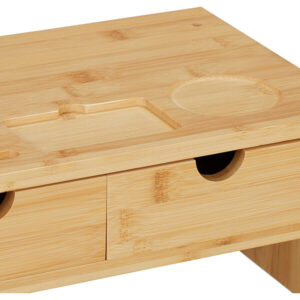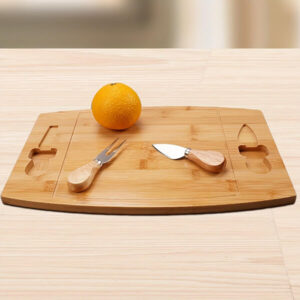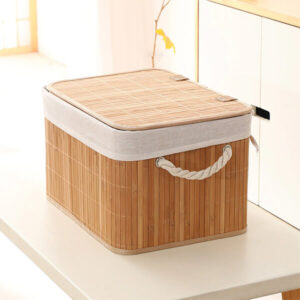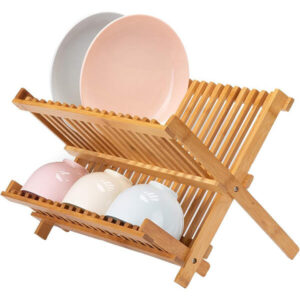
Bamboo shelves have become one of the most popular sustainable storage options for modern homes, offering a perfect balance of natural style, solid durability and low environmental impact. Unlike slow-growing hardwood or petroleum-based plastic storage, bamboo is a fast-renewable material that delivers comparable strength with a far smaller carbon footprint.
This guide breaks down the core benefits of bamboo shelving, how it performs in different rooms of the home, and simple care tips to keep your shelves looking great for years.
Key Takeaways
- Bamboo is a highly renewable material, maturing in just 3–5 years without requiring replanting after harvest.
- High-density bamboo has a comparable hardness rating to white oak, with excellent weight capacity for books, kitchenware and plants.
- Natural moisture resistance makes bamboo shelves suitable for humid spaces like bathrooms and kitchens, with lower mold risk than many woods.
- Simple monthly cleaning with a mild vinegar solution preserves the finish and extends the lifespan of bamboo furniture.
- Bamboo shelves add warm, natural texture to any room, fitting seamlessly with minimalist, bohemian and Scandinavian decor styles.
Why Choose Bamboo Shelves for Sustainable Storage
Eco-Friendly Renewable Material
Bamboo is technically a grass, not a hardwood, and it has unmatched renewability compared to traditional furniture wood:
- It matures fully in 3–5 years, compared to 50–100+ years for oak and other hardwoods.
- It regrows naturally from existing root systems after harvesting, so no clear-cutting or replanting is required.
- It grows without pesticides or synthetic fertilizers, and bamboo plantations absorb carbon dioxide and release 35% more oxygen per hectare than typical tree forests.
- Research shows well-managed bamboo plantations can sequester 160–530 tons of carbon per hectare, on par with many mature forest ecosystems.
Look for FSC 100% certified bamboo products to ensure the material is sourced from responsibly managed, environmentally friendly farms. Compared to plastic storage, bamboo production uses far less energy and generates fewer emissions, making it the greener choice for eco-conscious households.
| Material | Average Lifespan | Environmental Impact | Typical Use Case |
|---|---|---|---|
| Bamboo | 5–10 years with care | Very low (renewable, low-emission production) | Kitchen, bathroom, living room storage |
| Solid Wood | 10–20 years | High (slow-growing timber, deforestation risk) | High-end furniture |
| Plastic | 2–5 years | Very high (petroleum-based, non-biodegradable) | Budget storage |
Strength, Durability & Moisture Resistance
Bamboo is far stronger than most people expect. High-density laminated bamboo has a Janka hardness rating of roughly 1380, comparable to white oak (1360), meaning it resists dents and sagging very well. Most standard bamboo shelves hold 40–60 lbs per level when properly mounted, easily supporting books, cookware, potted plants and storage bins.
Bamboo also naturally performs better in humid environments than many common woods:
- It absorbs only ~8% moisture, compared to 12–18% for most hardwoods.
- Lower moisture uptake means less warping, twisting and swelling in steamy kitchens and bathrooms.
- The dense fiber structure is more resistant to mold and mildew growth in damp spaces, when properly cared for.
Bamboo Shelf Ideas for Every Room
Bamboo shelves work in nearly every space in the home, with designs ranging from wall-mounted racks to freestanding bookcases.
Kitchens & Bathrooms: Humidity-Resistant Storage
Kitchens and bathrooms are high-humidity, high-traffic spaces where bamboo’s natural water resistance shines.
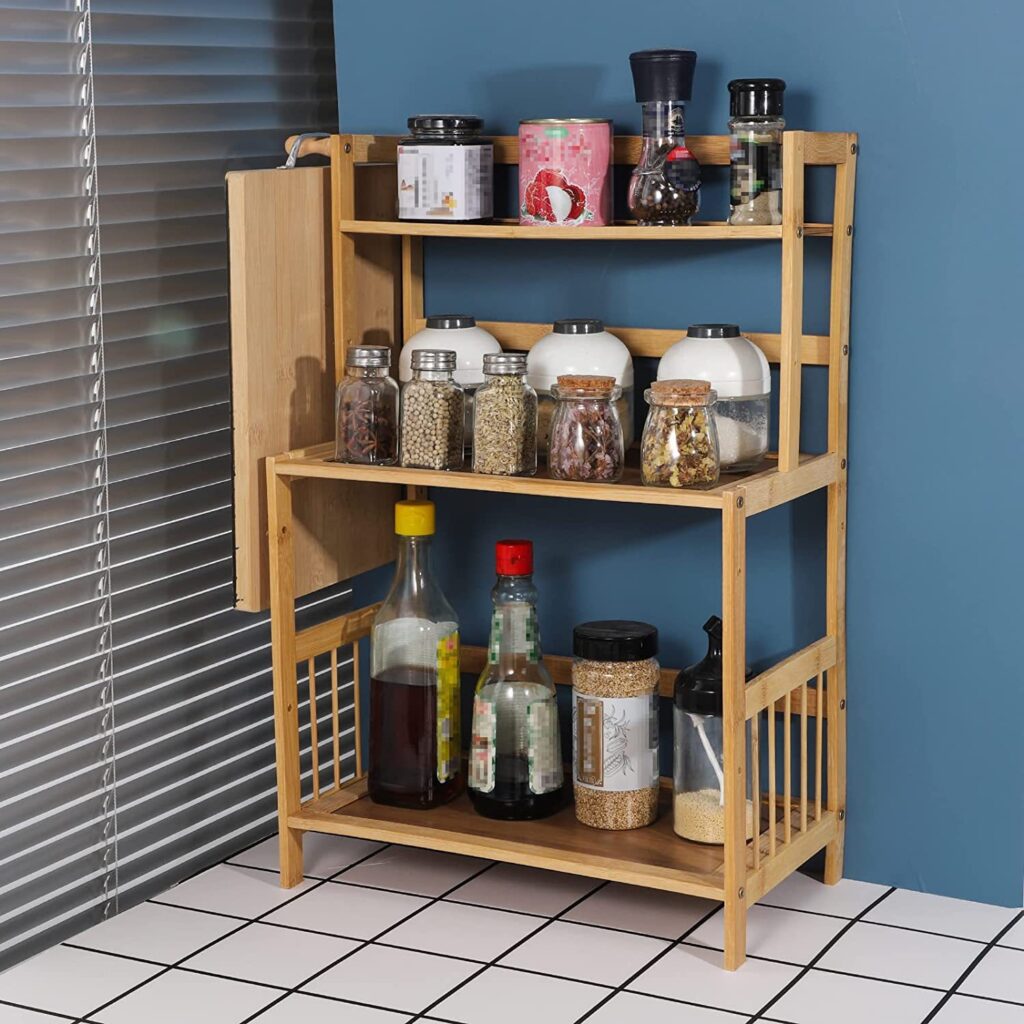
- Wall-mounted shelves install above countertops to hold spices, oil bottles and glass jars, saving valuable counter space.
- Over-the-toilet units organize towels, toiletries and bathroom essentials without taking up floor space.
- Specialty organizers like wrap dispensers, trash bag holders and utensil drawers add functional storage for small items.
Living Rooms & Home Offices: Stylish Open Storage
Bamboo’s warm, natural grain complements modern, bohemian and Scandinavian decor, making it a stylish choice for visible living spaces.
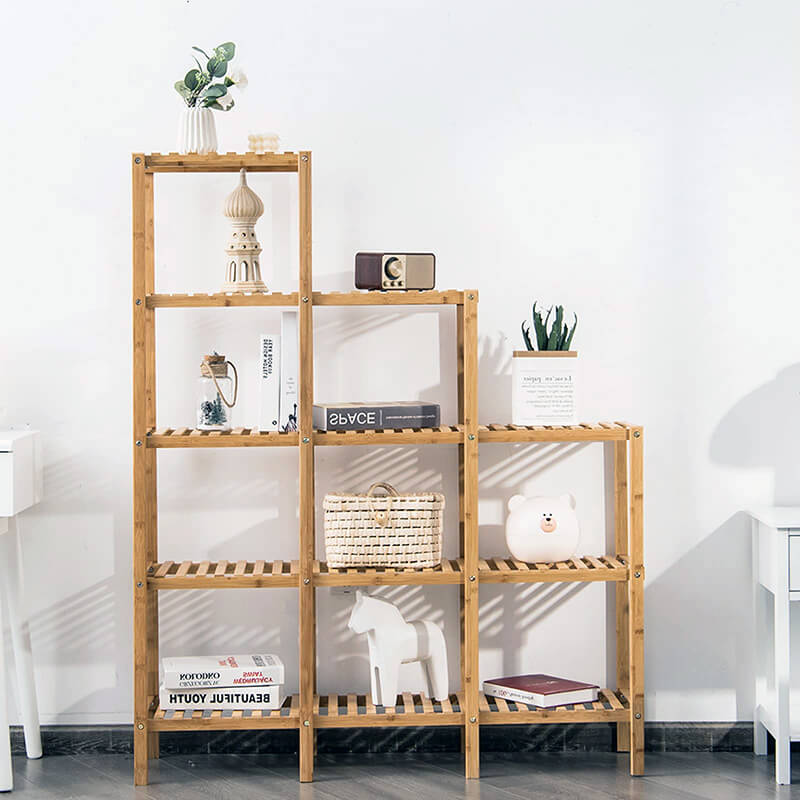
- Freestanding multi-tier shelves hold books, decor, potted plants and media equipment.
- Desk-side shelving keeps office supplies, paperwork and devices organized without looking cluttered.
- Pair with woven storage baskets to hide loose items and add texture for a layered, cozy look.
Small Spaces & Entryways: Space-Saving Organization
For compact homes, bamboo shelves maximize vertical storage without feeling heavy or bulky.
- Narrow wall-mounted units work in tight entryways for shoes, keys and bags.
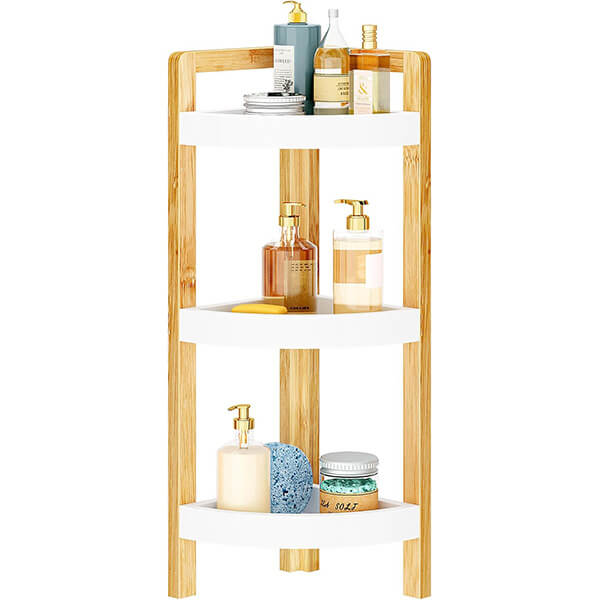
- Over-the-door and corner shelf designs make use of otherwise wasted space.
- The light, open look of bamboo keeps small rooms feeling airy and open, unlike dark heavy wood shelving.
How to Care for Bamboo Shelves
With simple regular care, bamboo shelves will stay looking great and last for many years.
Regular Cleaning Routine
| Care Task | Recommended Schedule | How to Do It |
|---|---|---|
| Light dusting | Weekly | Wipe with a soft dry cloth or soft-bristle brush to remove surface dust |
| Deep clean | Monthly | Wipe with a soft cloth dampened with a mild white vinegar and water solution; wipe along the grain, then dry thoroughly with a clean towel |
- Avoid harsh chemical cleaners, bleach and acidic products like pure lemon juice, as these can discolor and damage the bamboo surface.
- Never soak bamboo shelves or leave standing water on the surface, as prolonged moisture will cause warping.
Long-Term Protection Tips
- Maintain indoor humidity between 40–60% to prevent drying, cracking or warping.
- Keep shelves away from direct sunlight, heating vents and air conditioner outlets, as extreme temperature swings damage the material.
- Distribute weight evenly across shelves, and avoid exceeding the recommended weight capacity. Use felt pads under heavy objects to prevent scratches.
- Once per year, apply a thin coat of food-safe mineral oil or Danish oil to nourish the material and restore its natural sheen.
Conclusion
Bamboo shelves are a versatile, sustainable and stylish storage solution that works for nearly every home. They deliver hardwood-like strength and durability with a far lower environmental impact, and their natural warm tone fits seamlessly with most home decor styles.
With basic regular care, a well-made bamboo shelf from responsible manufacturers like YESUN will provide years of functional, eco-friendly storage for any room in the house.
FAQ
How much weight can a bamboo shelf hold?
Most standard bamboo shelves hold 40–60 lbs per level when properly installed. Wall-mounted units require secure wall anchors to reach full weight capacity. Thicker, solid bamboo shelves can support even more weight for heavy items like books and cookware.
Are bamboo shelves good for bathrooms?
Yes, bamboo is an excellent choice for bathroom storage. Its dense fiber structure absorbs less moisture than most hardwoods, making it more resistant to warping and mold in steamy, humid environments. Regular wiping to remove surface moisture will extend its lifespan.
How long do bamboo shelves last?
With proper care, bamboo shelves typically last 5–10 years. Keeping them clean, avoiding extreme temperature and humidity changes, and occasional oiling will significantly extend their usable life.
Is bamboo furniture really more sustainable than wood or plastic?
Yes. Bamboo matures in 3–5 years and regrows after harvesting, unlike hardwood trees that take decades to grow. It also requires no pesticides and has lower production emissions than both plastic and most imported hardwoods, making it one of the most eco-friendly furniture materials available.
Do bamboo shelves get moldy?
Bamboo is more mold-resistant than many softwoods, but it is not completely immune. In consistently very damp, poorly ventilated spaces, mold can grow on the surface. Regular cleaning and good air circulation prevent mold growth and keep shelves in good condition.