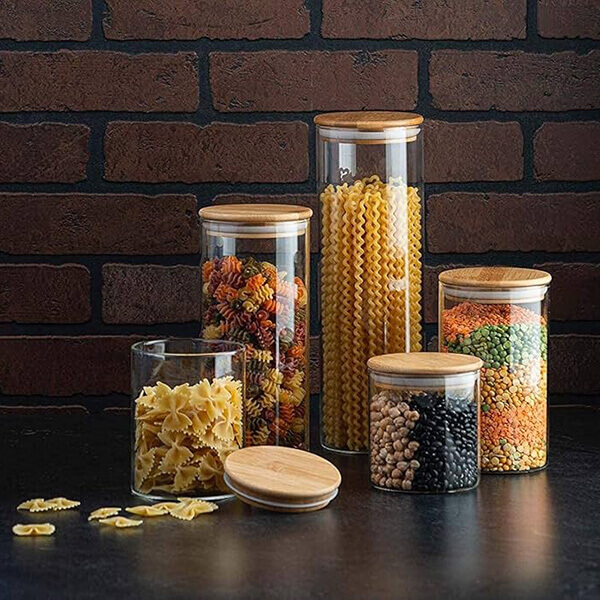
Yes — bamboo food containers are a good choice for eco-conscious users. With proper care, they work well for everyday use, though they may not last as long as glass or stainless steel.
Bamboo food containers have become an increasingly popular alternative to plastic, especially for people looking to reduce their environmental impact. Thanks to their natural look and renewable source, they are often seen as a safer and more sustainable option for everyday food storage.
Key Takeaways
- Bamboo food containers are generally safe when made with certified, food-grade materials
- They are eco-friendly, biodegradable, and help reduce plastic waste
- Bamboo has natural properties that may help slow bacterial growth
- They work well for light daily use but are less durable than glass or stainless steel
- Hand washing and proper drying are essential to maintain their lifespan
- Best suited for eco-conscious users who prioritize sustainability over long-term durability
Bamboo Food Containers Are Safe for Food Storage
Food Safety Considerations
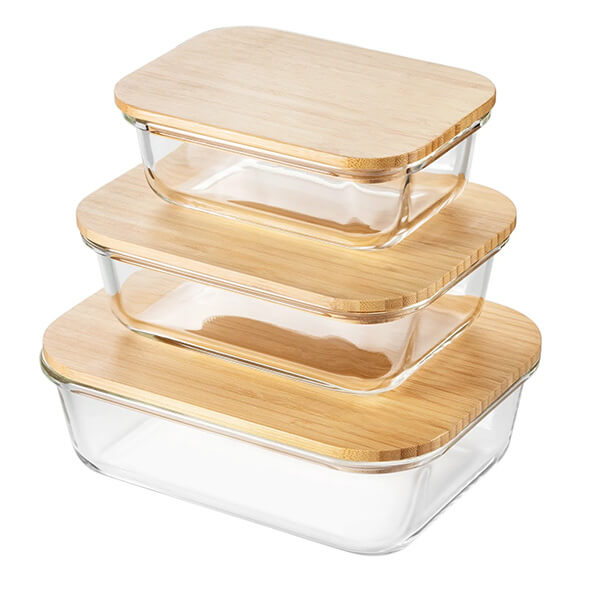
Most high-quality bamboo food containers are safe for food storage, especially when they use food-grade adhesives, coatings, and silicone seals. Many manufacturers follow international safety standards to ensure materials are non-toxic and suitable for contact with food.
Common safety indicators include:
- Food-grade certification (FDA or equivalent)
- Lead-free and toxin-free testing
- Safe natural finishes (such as plant-based oils or waxes)
When these standards are met, bamboo containers can safely store dry foods, snacks, and leftovers.
Do Bamboo Containers Contain Chemicals or Toxins?
This depends largely on how the product is made.
Some low-quality bamboo fiber products (such as certain cups or composites) have raised concerns due to melamine or formaldehyde content. However, well-made bamboo containers avoid these materials or keep them within safe limits.
Reputable manufacturers typically:
- Avoid harmful binders and resins
- Use certified, food-safe materials
- Exclude PFAS and other “forever chemicals”
In short: quality matters more than the material itself.
Bamboo Materials Have Natural Antimicrobial Properties
Bamboo contains special components that help keep food safe. It contains bamboo kun, which inhibits the growth of bacteria and fungi. Bamboo also contains flavonoids, which can prevent bacterial growth. Studies have shown that bamboo fiber can kill more than 90% of common bacteria.
Bamboo containers are more effective at protecting food than many plastic or glass containers. The table below explains how bamboo helps keep food fresh:
| Evidence Type | Description |
|---|---|
| Disruption of microbial activity | Bamboo’s natural parts stop bacteria from growing. |
| Broad-spectrum protection | Bamboo fights many germs, even ones that spoil food. |
| Practical Benefits for Food Preservation | Bamboo containers slow down food spoilage and keep food fresh longer. |
| Real-world testing | Bamboo packaging kept food fresh for 4 days longer than plastic. |
Are Bamboo Food Containers Durable for Everyday Use?
Performance in Daily Use
Bamboo containers perform well for light to moderate daily use, such as storing snacks, dry foods, or leftovers.
They are:
- Lightweight and easy to handle
- Naturally resistant to minor scratches
- Designed with airtight lids (often silicone) to keep food fresh
However, they are not designed for heavy-duty use.
Resistance to Stains and Odors
Compared to plastic, bamboo is less likely to retain odors and generally resists staining over time. However, it is not completely immune—improper cleaning or prolonged exposure to moisture can still lead to odor buildup, mold growth, or surface damage. To keep bamboo containers in good condition, it’s important to wash them by hand and dry them immediately after use.
How Long Do Bamboo Food Containers Last?
With regular use and proper care, bamboo containers typically last around 6–12 months with daily use, and even longer when used occasionally.
Factors that affect lifespan include:
- Frequency of use
- Exposure to water and heat
- Product quality
- Maintenance habits
Bamboo Food Containers Are Eco-Friendly and Sustainable
Sustainability of Bamboo Materials
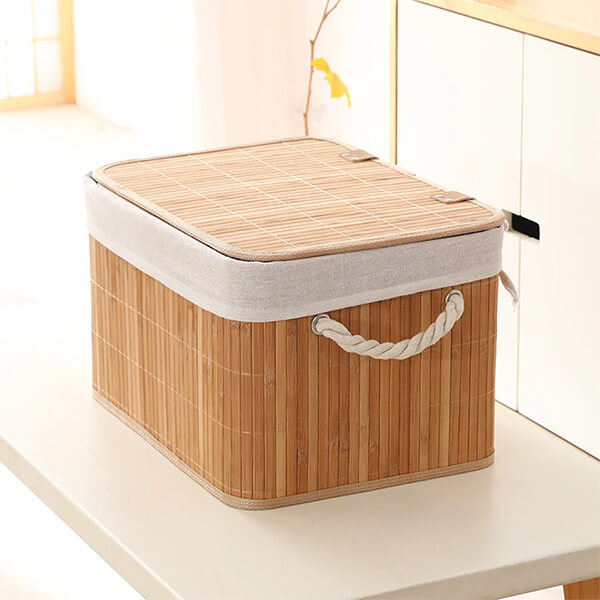
Bamboo is one of the most sustainable materials available:
- Grows extremely fast (some species in days)
- Requires minimal water and pesticides
- Regenerates naturally without replanting
This makes bamboo a renewable and low-impact resource.
Are Bamboo Food Containers Compostable?
Many people wonder whether bamboo food containers can be composted. In most cases, they are biodegradable under the right conditions and can break down within 3–6 months in industrial composting environments—much faster than plastic, which can take hundreds of years. However, in home composting systems, the process may take longer depending on factors such as temperature, moisture, and microbial activity.
Environmental Impact Compared to Alternatives
Compared with plastic, bamboo containers offer:
- Lower carbon footprint
- Reduced plastic pollution
- Renewable sourcing
But compared to glass or steel:
- Shorter lifespan
- More frequent replacement
This means there is a clear trade-off to consider: bamboo food containers offer strong sustainability benefits, but they may not match the long-term durability of materials like glass or stainless steel.
Advantages and Disadvantages of Bamboo Food Containers
Key Benefits
Bamboo food containers offer several advantages for eco-conscious users:
- Eco-friendly and biodegradable
- Made from fast-renewable natural materials
- Naturally resistant to bacterial growth
- Lightweight with a clean, natural aesthetic
- Helps reduce reliance on plastic
Potential Drawbacks
However, they also come with a few limitations to consider:
- Not dishwasher-safe
- Sensitive to moisture and high heat
- Shorter lifespan than glass or stainless steel
- Requires more careful cleaning and maintenance
- May warp or crack over time if not properly cared for
Conclusion
Bamboo food containers are a great choice for users who value sustainability and natural design. They offer an eco-friendly alternative to plastic, though they require more care and are less durable than glass or stainless steel.
Bamboo food containers are best suited for eco-conscious users and light daily use, but they are less suitable for heavy-duty tasks or high-heat applications. For those seeking a balance between style and sustainability, well-designed options—such as bamboo containers from brands like YESUN—provide a practical and responsible solution.
FAQ
Are bamboo food containers microwave safe?
Bamboo food containers do not work well in microwaves. High heat can damage the bamboo and silicone parts. People should move food to a microwave-safe dish before heating.
Can bamboo food containers go in the dishwasher?
People should wash bamboo food containers by hand. Dishwashers use hot water and strong soap that can warp or crack bamboo. Hand washing helps containers last longer.
Do bamboo containers keep food fresh?
Bamboo containers with silicone seals keep food fresh. The airtight design blocks air and moisture. This helps grains, snacks, and leftovers stay good for days.
Are bamboo food containers safe for kids?
Bamboo food containers do not contain harmful chemicals like BPA. The smooth surface and light weight make them safe for children to use at home or school.
How should people store bamboo food containers?
People should keep bamboo containers in a dry place. Storing them away from heat and moisture prevents mold and keeps the bamboo strong.