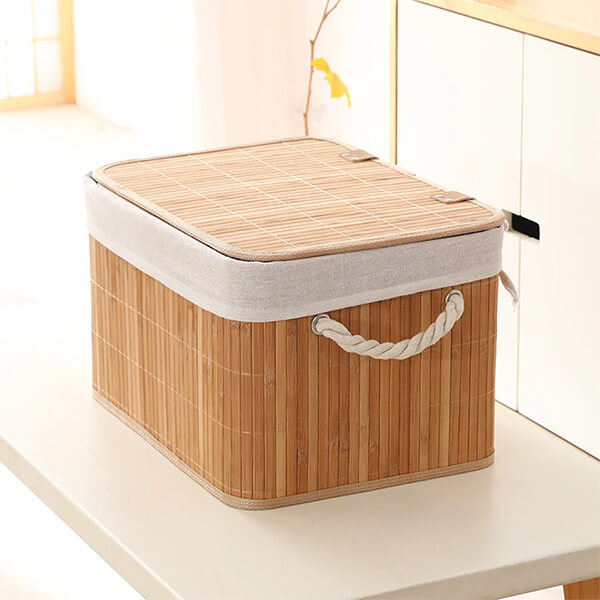
Bamboo containers have grown in popularity as an eco-friendly alternative to plastic for food storage, takeout packaging and home organization. While bamboo offers clear advantages in sustainability and natural aesthetics, plastic still outperforms it in certain practical scenarios. Whether bamboo is the better choice depends on your use case, maintenance habits and priorities.
Key Takeaways
- Bamboo is a fast-renewable resource that biodegrades under proper conditions, making it far more eco-friendly than fossil-fuel-based plastic.
- High-quality food-grade bamboo containers are free of harmful chemicals like BPA and phthalates, reducing toxin exposure risks common with plastic.
- Bamboo containers have a warm, natural appearance that elevates food presentation and fits well with minimalist or natural home decor.
- With regular care, reusable bamboo storage containers can last 5–10 years, delivering better long-term value than disposable or low-grade plastic.
- Bamboo is not fully waterproof and requires basic maintenance, so plastic remains more practical for long-term liquid storage and heavy daily use.
Core Differences Between Bamboo and Plastic Containers
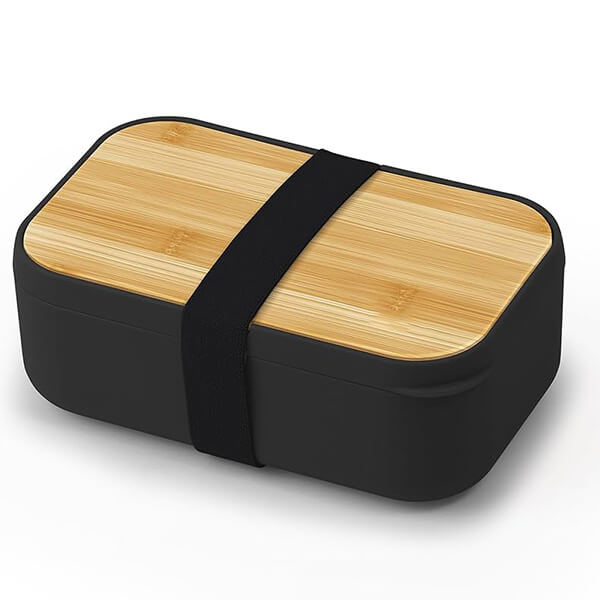
Environmental Impact and Sustainability
The biggest advantage of bamboo over plastic is its far lower environmental footprint.
- Renewability: Bamboo is one of the fastest-growing plants on Earth, reaching maturity in 3–5 years with minimal water and no pesticides. Plastic is made from non-renewable fossil fuels and requires high energy to manufacture.
- Carbon footprint: Growing bamboo absorbs carbon dioxide and releases oxygen, while plastic production generates significant greenhouse gas emissions.
- End-of-life: Under industrial composting conditions, bamboo containers biodegrade in 1–3 years and return nutrients to the soil. Plastic containers can persist in landfills for hundreds of years, breaking down into microplastics that harm ecosystems.
Switching to bamboo packaging can reduce single-use plastic waste by around 30% for food service and household use. Experienced bamboo product manufacturers such as YESUN prioritize responsibly sourced bamboo materials to create more sustainable and environmentally friendly products.
Food Safety and Chemical Risks
Food safety is a top concern for storage containers.
- Bamboo: Food-grade bamboo containers are naturally free of BPA, phthalates and PFAS — chemicals commonly found in plastic that can leach into food, especially when heated or scratched. High-quality bamboo poses minimal toxin leaching risk for warm and dry foods.
- Plastic: Many plastic containers contain endocrine-disrupting chemicals that can migrate into food over time, particularly with repeated heating, scratching or long-term use. Studies have linked long-term exposure to certain plastic additives to various health risks.
Note that some bamboo products may have protective coatings. Always confirm the coating is food-safe before using containers for hot or oily foods.
Durability and Practical Performance
Durability varies widely based on whether the product is a single-use takeout container or a reusable home storage piece.
| Product Type | Average Lifespan | Maintenance Needs | Best For |
|---|---|---|---|
| Reusable bamboo storage containers | 5–10 years with proper care | Regular drying and occasional oiling | Home food storage, tabletop serving |
| Disposable bamboo takeout containers | Single use / 1–12 months of light reuse | Rinse and dry after use | Takeout, events, picnics |
| Reusable plastic containers | 2–3 years on average | Low maintenance; can become brittle over time | Daily heavy use, liquid storage |
Bamboo is naturally sturdier than paper and more grease-resistant, but it is not fully waterproof. Long-term exposure to standing water can cause warping or mold growth. Plastic is fully water-resistant and holds up better to drops, scratches and frequent dishwasher use.
Cost Comparison
Bamboo containers typically have a higher upfront cost but better long-term value for reusable models.
| Type | Upfront Cost (typical set) | Lifespan | Estimated 10-Year Total Cost |
|---|---|---|---|
| Reusable bamboo storage set | ~$35 | 5–10 years | $35–$70 |
| Reusable plastic storage set | ~$15 | 2–3 years | $45–$75 |
For single-use takeout packaging, bamboo costs more per unit than plastic. For reusable home containers, bamboo becomes more cost-effective over time as it needs fewer replacements.
Which Material Is Right for You?
When Bamboo Containers Are the Better Choice
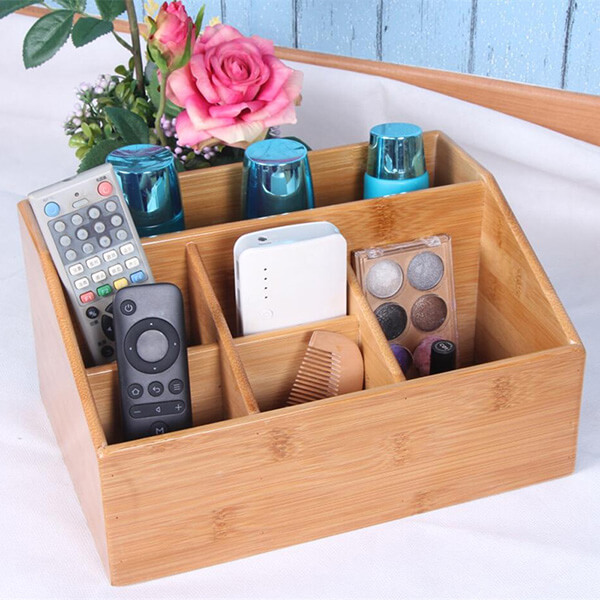
Bamboo is the superior option if you prioritize:
- Eco-friendliness and reducing plastic waste
- Natural, warm aesthetics for serving and home decor
- Chemical-free food storage for dry and warm foods
- Long-term reusable storage with basic upkeep
It works especially well for dry pantry storage, snack serving, takeout packaging and decorative kitchen organization.
When Plastic Containers Make More Sense
Plastic is still the more practical choice for:
- Long-term liquid storage such as soups, sauces and marinades
- Freezer and microwave use on a regular basis
- High-frequency, low-maintenance daily use
- Tight budget for upfront purchase
For most households, a mix of both materials works best: use bamboo for dry storage and serving, and plastic for liquids and reheating.
Conclusion
Bamboo containers are better than plastic for sustainability, food safety and natural aesthetics, but they are not a perfect one-size-fits-all replacement.
If you value eco-friendliness and are willing to follow basic care routines, bamboo is an excellent upgrade for most food storage and serving needs. If you need fully waterproof, zero-maintenance containers for heavy daily use, plastic will remain the more practical option.
For most people, combining both materials — bamboo for dry foods and serving, plastic for liquids and reheating — delivers the best balance of sustainability and convenience.
FAQ
What makes bamboo containers eco-friendly?
Bamboo is a fast-renewable resource that grows without pesticides and absorbs carbon as it grows. Properly made bamboo containers biodegrade in industrial compost, unlike plastic that stays in landfills for centuries.
Are bamboo containers safe for hot food?
Yes, food-grade bamboo containers work well for warm meals and will not melt or leach chemicals. They are not recommended for extremely hot liquids or microwave use.
Are bamboo containers safe for children?
Yes. High-quality food-grade bamboo is free of BPA and other harmful chemicals, and its smooth, lightweight design is easy for kids to handle for snacks and lunches.
How do bamboo and plastic compare in cost?
Bamboo has a higher upfront price, but reusable bamboo containers last longer, so they cost about the same or less than plastic over a 10-year period.
How do you make bamboo containers last longer?
Wash by hand with mild soap, dry completely after each use, and apply food-safe bamboo oil every few months. Avoid soaking them in water for long periods to prevent warping.