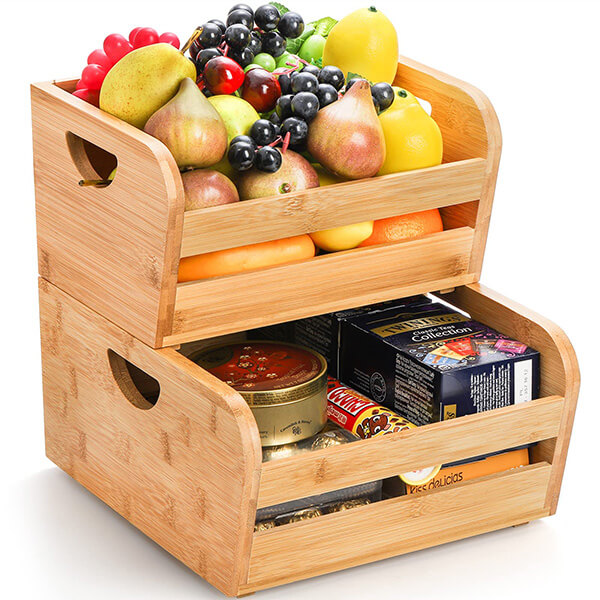
Small pantries don’t need expensive renovations to feel organized and functional. Budget-friendly storage solutions like stackable bins, over-the-door organizers, and upcycled containers can transform cramped pantry space without breaking the bank. Most small pantry upgrades cost between $200 and $2,500, far less than a full walk-in pantry remodel. Even simple changes like adding one extra shelf or a set of labeled bins can make a huge difference in usability.
Key Takeaways
- Start with regular decluttering and grouping similar items together to free up space and make ingredients easier to find.
- Use stackable bins and adjustable shelves to take advantage of full vertical space, so you can fit more while keeping the pantry tidy.
- Reuse glass jars and upcycled containers for storage to save money, reduce plastic waste, and create an eco-friendly pantry.
- Create dedicated zones for different food types and add clear labels to keep order consistent and speed up meal prep.
- Do a monthly pantry check-in and rotate stock using the first-in, first-out method to reduce food waste and prevent expired items.
Budget-Friendly Small Pantry Storage Ideas
1. Declutter & Categorize First (Free)
The cheapest, most impactful upgrade costs nothing at all. Start by emptying your entire pantry, tossing expired items, and sorting everything into categories like snacks, canned goods, baking supplies, and breakfast items.
Assign a specific shelf or bin to each category, so every item has a fixed home. Draw a quick layout of your pantry and measure shelf heights before buying organizers, to make sure everything fits properly.
Pro Tip: Avoid storing random, non-food items in the pantry — this is the most common cause of clutter. Adjust your layout if your cooking habits change over time.
2. Low-Cost Containers & Upcycled Storage
You don’t need expensive organizer sets to get a tidy pantry. These budget options work for almost any space:
- Upcycled glass jars: Clean out old pasta sauce, jam, and pickle jars to store rice, pasta, beans, and snacks. They’re airtight, free, and reduce plastic waste. Buying dry goods in bulk with your own jars also saves money long-term.
- Clear plastic bins: Affordable stackable bins let you see contents at a glance and maximize vertical space. Look for budget sets for quick organization, or spend a bit more for airtight sets for staples that go stale easily.
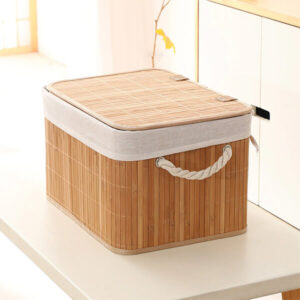
- Open baskets: Woven or wire baskets work well for snacks, produce, and oddly shaped items, and they’re easy to pull out to reach items at the back.
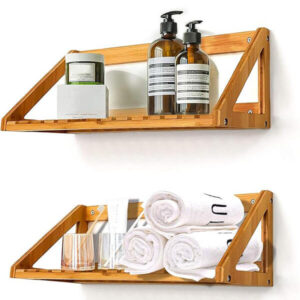
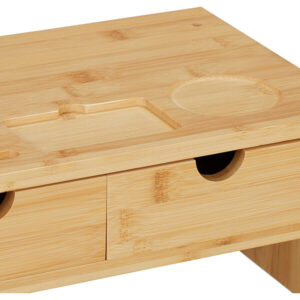
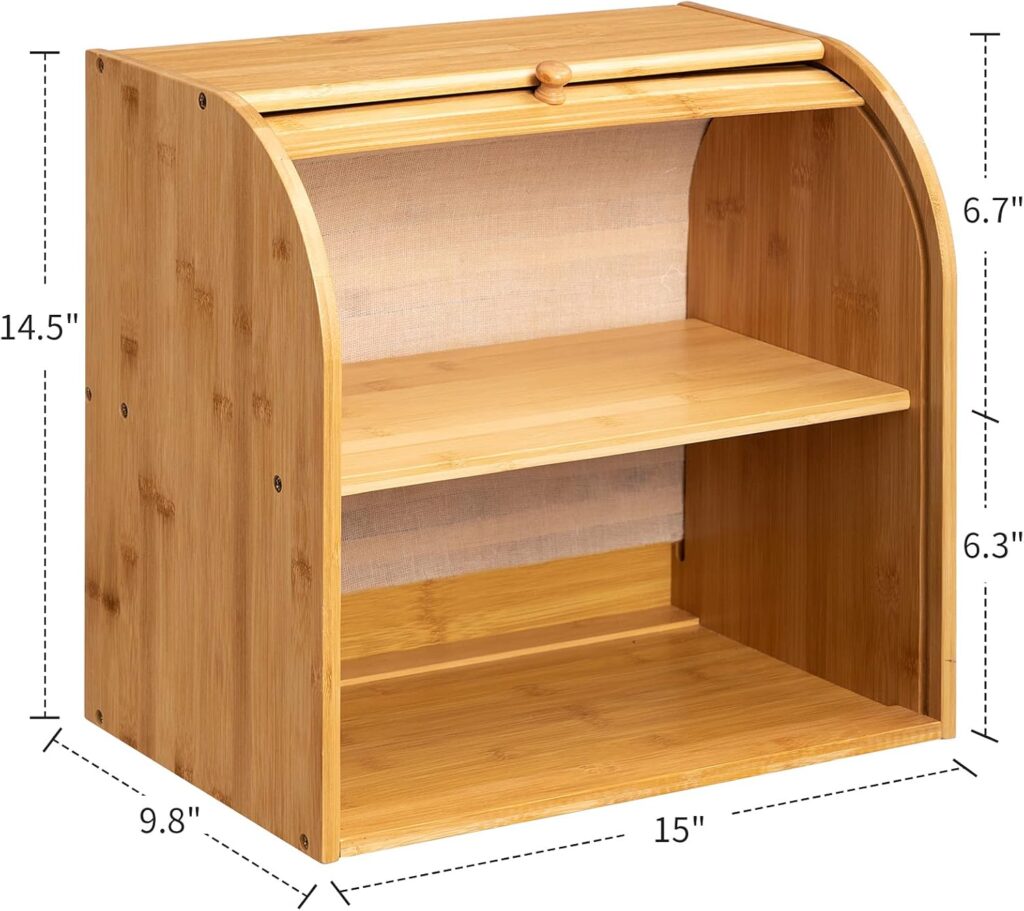
For a natural, warm look, bamboo storage shelves are a durable, eco-friendly option. Bamboo is naturally moisture-resistant and sturdy, so it holds up well in kitchen environments, and styles from brands like YESUN fit most standard pantry sizes.
3. Maximize Vertical Space
Most small pantries waste a lot of empty vertical space between shelves. These low-cost fixes double your usable storage:
- Shelf risers: Acrylic or steel shelf risers add an extra layer of storage inside existing shelves, perfect for cans, spices, and small jars. Most take 8–12 minutes to set up, hold 25–40 lbs, and cost only $12–$28.
- Adjustable extra shelves: Add a single bamboo or wire shelf to fill tall gaps between existing shelves. This is one of the most cost-effective ways to add storage, and you can position it to fit exactly what you store.
- Stackable can organizers: Tilted can racks let you store cans in rows, so you can see all labels at once and grab the front one without digging.
Safety Tip: Always store heavy items on lower shelves and light items on top shelves to keep the pantry stable and easy to use.
4. Use Doors & Walls for Extra Storage
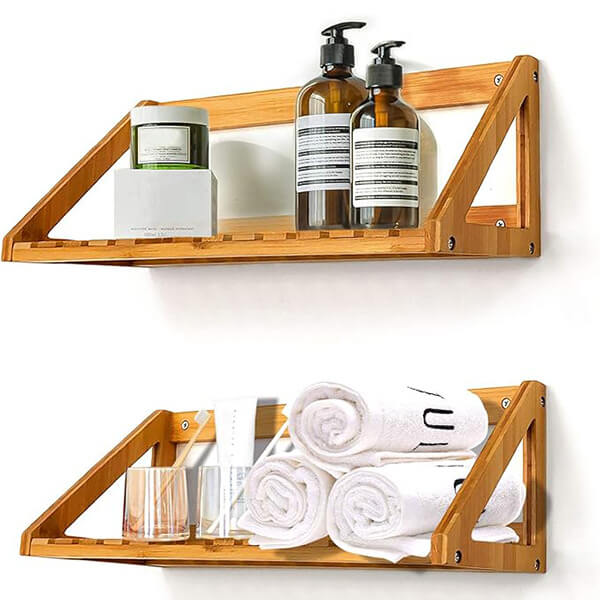
Pantry doors and walls are almost always unused, but they add tons of extra storage for small items:
- Over-the-door organizers: Hanging racks with shelves or mesh pockets fit over the inside of the pantry door, ideal for spices, snacks, condiments, and small cleaning supplies. Clear or mesh pockets let you see contents at a glance.
- Wall-mounted racks & hooks: Open wire shelves on empty wall space hold jars and baskets, while utility hooks hang aprons, reusable bags, and small utensils. Adjustable tiered shelves fit different jar heights and keep everything visible.
- Adhesive spice bins: Stick small plastic bins inside cabinet doors for spices, oil bottles, and seasoning packets — no drilling required.
How Much Do Pantry Upgrades Cost?
The total cost depends on the size of your pantry and how much you want to upgrade. Here’s a general price guide for common pantry types:
| Pantry Type | Average Upgrade Cost | Best For |
|---|---|---|
| Cabinet Pantry | $200 – $1,000 | Small apartment kitchens, built-in cabinet pantries |
| Small Standalone Pantry | $500 – $2,500 | Small reach-in pantries, full organization upgrades |
| Walk-In Pantry | $2,000 – $5,000+ | Larger spaces, full remodels with custom shelving |
Most small pantry makeovers cost well under $1,000 if you use budget bins, upcycled containers, and simple shelf additions.
Tips to Keep Your Pantry Organized Long-Term
Rotate Stock to Reduce Waste
Use the first-in, first-out (FIFO) method: place newly purchased items behind older ones, so you use older food before it expires. Write clear expiration dates on bulk items, and plan meals around items that will expire soon.
Do a quick monthly check-in to toss expired items, wipe down shelves, and rearrange as needed. This habit saves money on wasted food and keeps clutter from building back up.
Create Dedicated Storage Zones
Divide your pantry into zones based on use, so everyone in the household knows where things go. Common zones include:
- Everyday snacks at eye level
- Baking supplies on one shelf
- Canned goods on lower shelves
- Rarely used items on the top shelf
Add clear labels to bins and shelves to make it easy to put things back in the right spot. This is especially helpful for households with kids or multiple cooks.
Conclusion
You don’t need a big budget or a full remodel to fix a cramped, messy small pantry. Simple, affordable changes — decluttering, adding stackable bins, using vertical and door space, and creating clear zones — can make even the tiniest pantry feel functional and organized.
Start small with one or two of these ideas, and build from there. Even a single afternoon of organizing will make cooking and meal prep faster, reduce food waste, and make your kitchen feel easier to use.
FAQ
What are the best storage containers for small pantries?
Clear stackable bins, glass jars, and bamboo organizers are all excellent choices. Clear containers let you see contents at a glance, glass jars keep food fresh and are eco-friendly, and bamboo adds a natural, durable look.
How do you organize a pantry on a tight budget?
Start with free decluttering and categorizing, then reuse old glass jars and containers for storage. Affordable stackable bins and over-the-door organizers add lots of space for low cost. Label everything and group similar items to get the most out of what you already have.
Why are bamboo shelves good for pantry storage?
Bamboo is naturally strong, moisture-resistant, and pest-resistant, so it holds up well in kitchen environments. It’s also a fast-growing renewable resource, making it an eco-friendly choice for home organization.
How often should you reorganize a pantry?
Do a quick monthly check to remove expired items and tidy shelves. A full reorganization every 3–6 months works for most households, or whenever you notice clutter building up or your cooking habits change.