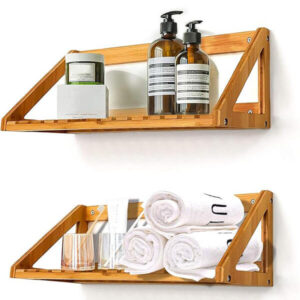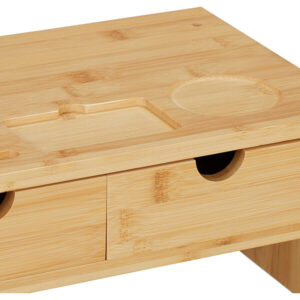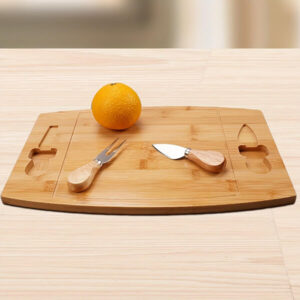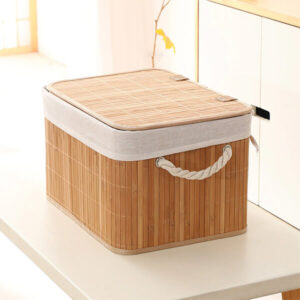
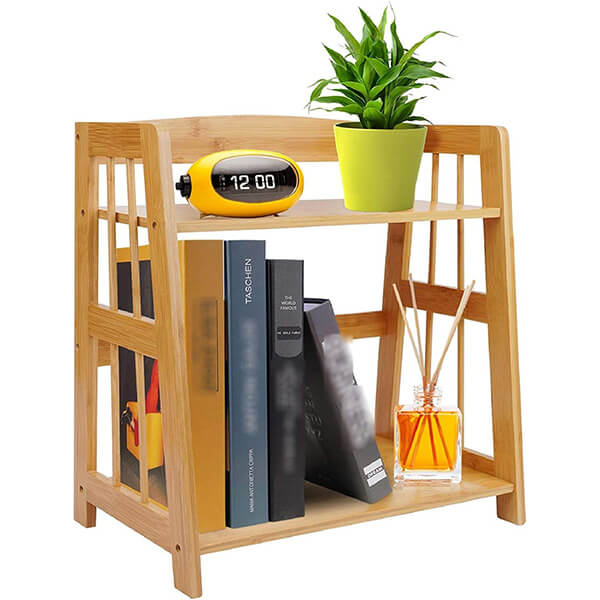
Bamboo products go through a multi-step manufacturing process that transforms raw bamboo stalks into finished household, kitchen and furniture items. Production quality depends on sustainable harvesting, precise moisture control, safe preservation treatments and reliable forming technology. YESUN follows strict eco-friendly production standards, using responsibly sourced renewable bamboo and non-toxic treatments, with ethical manufacturing certifications that set it apart from conventional producers that may use harmful chemicals or unsustainable sourcing.
Key Takeaways
- Bamboo is a fast-renewable raw material; harvesting 4–5 year-old stalks preserves long-term forest health.
- Core manufacturing steps include harvesting, cutting and sizing, cleaning and drying, preservation treatment, forming and finishing.
- Four main forming technologies — plain pressed, side pressed, high-density pressed and woven — create different strength, texture and appearance profiles.
- Food-safe bamboo products require non-toxic preservatives and eco-friendly binders; low-quality production may use harmful chemical treatments.
- Proper drying and finishing extend product lifespan and prevent mold, cracking and pest damage.
Step 1: Harvesting & Raw Material Sorting
Production begins in managed bamboo forests. Workers harvest stalks that are 4 to 5 years old, as this age delivers the optimal balance of hardness, fiber density and structural stability. Harvesting takes place during the dry season to minimize initial moisture content and reduce the risk of early mold growth.
Harvesters make clean, angled cuts with sharp tools to avoid damaging the root system, allowing the bamboo grove to regrow quickly.
After harvesting, stalks are sorted and inspected for quality. Only straight, defect-free stalks with consistent diameter move forward to processing.
| Quality Criterion | Standard for Premium Grade Bamboo |
|---|---|
| Age | 4–5 years old for maximum fiber strength |
| Moisture content | Controlled at harvest to support even drying |
| Physical condition | Free of cracks, knots, pest damage and discoloration |
| Fiber uniformity | Consistent wall thickness for even processing |
As an experienced bamboo products manufacturer, YESUN sources bamboo exclusively from FSC-certified, sustainably managed forests. Every batch undergoes strict incoming inspection to ensure only premium raw materials enter production.
Step 2: Primary Processing: Cutting, Cleaning & Drying
Cutting & Sizing
Sorted stalks are first cut into fixed-length sections, typically up to 2.4 meters for easy handling. Automatic splitting machines then cut the sections into uniform strips or slivers of precise width and thickness. Knots and rough edges are removed, and strips are planed to consistent dimensions. Thicker strips are used for furniture and structural panels; thinner 0.8mm slivers are prepared for woven products.
Cleaning & Sugar Removal
Bamboo strips are washed to remove surface dirt, then blanched in hot water. This process removes excess sugars and starches from the fiber — a critical step because residual sugar attracts pests and mold. After blanching, strips are cooled and rinsed a second time.
Controlled Drying
Cleaned strips go through controlled drying to reduce moisture content to a stable 8–12%. Facilities use temperature-controlled kiln drying (60–80°C) or vacuum drying for premium grades. Proper drying prevents warping, cracking and mold growth during the product’s lifespan.
YESUN performs moisture testing at the end of this stage. Only strips within the target moisture range move on to further treatment.
Step 3: Modification & Preservation Treatment
Treatment protects bamboo from insects, fungus and moisture damage, and can also alter its color and density.
Preservation Treatments
Treatment methods vary by intended product use:
- Food-safe treatment (for tableware, children’s products): Uses food-grade boric acid-borate solutions or natural oil treatments. These provide mild pest and mold protection without toxic residues. This is the standard used by YESUN for all kitchen and baby products.
- Industrial/Outdoor treatment: Heavy-duty chemical treatments such as copper chrome arsenic (CCA) may be used for outdoor construction materials. Note: CCA contains heavy metals and is not approved for food-contact or children’s products.
- Traditional natural methods: Smoke curing, lime washing and extended water soaking are low-tech, chemical-free options used in artisanal production.
Carbonization
Carbonization is a high-heat, steam-controlled process that deepens bamboo’s natural color from pale straw to warm brown. Beyond changing appearance, it also breaks down residual sugars and organic compounds, improving natural mold and pest resistance.
| Feature | Natural Bamboo | Carbonized Bamboo |
|---|---|---|
| Color | Light straw to honey tone | Rich warm brown |
| Appearance | Bright, clean, modern look | Warmer, more premium visual depth |
| Pest & mold resistance | Good with proper treatment | Improved natural resistance |
| Surface marks | Scratches show more visibly | Marks blend more easily with darker tone |
Step 4: Core Forming Technologies
Different forming methods produce products with distinct strength, texture and use cases.
Plain Pressed Bamboo
Wide, flat bamboo strips are stacked horizontally and bonded together with adhesive under heat and pressure to form solid panels. The result is a smooth, uniform surface with subtle grain lines.
- Best for: Furniture panels, wall cladding, kitchen storage, large flat surfaces
- Key note: Adhesive quality is critical for safety.
Side Pressed Bamboo
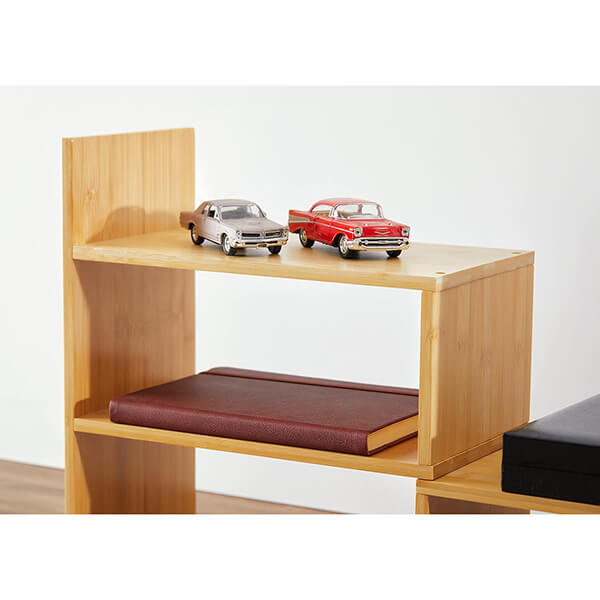
Narrow bamboo strips are placed on edge and pressed together, creating a distinct vertical grain pattern with visible fiber lines. This orientation delivers more dimensional stability and a richer textured appearance.
- Best for: Desk organizers, serving trays, decorative panels, small home goods
High-Density Pressed Bamboo
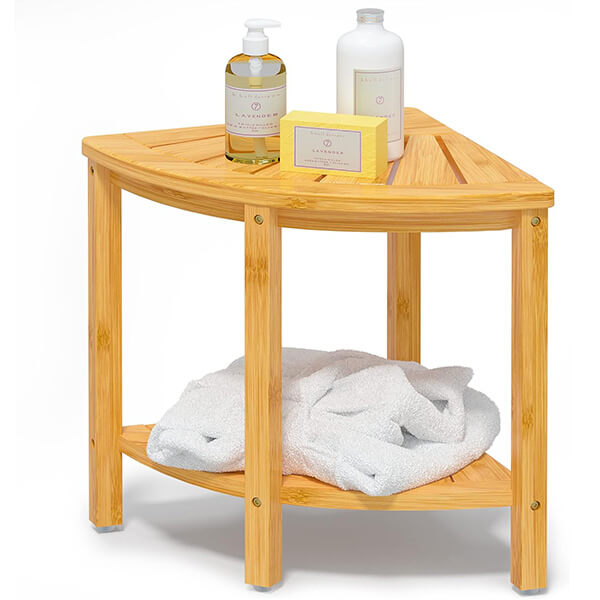
Strips are compressed under extremely high pressure and temperature to densify the fiber structure. The result is a harder, more scratch-resistant material that also repels moisture better.
- Best for: High-use commercial products, hotel amenities, bathroom accessories, cutting boards
Woven Bamboo
Thin bamboo slivers are woven by hand or machine into flexible mats and structured shapes. This technique creates a natural, textured aesthetic and is used for openwork designs.
- Best for: Baskets, lampshades, planter covers, decorative home accessories
Step 5: Finishing & Quality Control
Formed parts go through final processing before packaging:
- Sanding: Multi-stage sanding creates a smooth, splinter-free surface and prepares the material for finishing.
- Surface coating: Food-safe mineral oil, natural wax or water-based paint is applied to seal pores, repel moisture and enhance appearance. YESUN uses only non-toxic, food-safe finishes for kitchen and children’s products.
- Final inspection: Every piece is checked for dimensional accuracy, surface defects, moisture level and structural integrity before packaging.
Conclusion
Bamboo manufacturing is a carefully controlled process that balances natural material properties with modern production technology. The safest, longest-lasting products come from brands that prioritize sustainable sourcing, controlled drying, non-toxic treatments and strict quality control at every step.
YESUN’s full-spectrum bamboo production — from responsible forest sourcing to eco-friendly finishing — delivers durable, non-toxic products for kitchen, home and family use, while maintaining the low environmental impact that makes bamboo such a valuable sustainable material.
FAQ
What makes bamboo products eco-friendly?
Bamboo is one of the fastest-growing plants on Earth, regrows quickly after harvesting and requires very little water or pesticides. Responsible manufacturers like YESUN also use nearly all parts of the stalk, generate minimal waste and avoid toxic chemicals — resulting in a far lower environmental footprint than plastic or most hardwood products.
How do manufacturers ensure bamboo products are safe for food contact?
Food-safe bamboo products use food-grade preservation treatments, non-toxic adhesives and natural oil or wax finishes. Reputable brands test products to FDA, LFGB or equivalent food contact safety standards and avoid heavy-duty preservatives like CCA.
How long do bamboo products last?
With proper care, well-made bamboo products can last 3–10 years or more. Lifespan depends on manufacturing quality, density of the material and how well the product is dried and finished. Keeping items dry and avoiding prolonged soaking extends service life significantly.
Are bamboo products safe for children?
Yes, when manufactured with non-toxic, food-safe materials and smooth, splinter-free finishing. Choose brands like YESUN that explicitly test for child safety and avoid harmful chemical treatments. Always inspect pieces regularly for cracks or splinters.
How should you clean bamboo products?
Wash by hand with mild soap and warm water, then towel dry immediately. Never soak bamboo for long periods or put it in the dishwasher. For deep cleaning and odor removal, scrub with coarse salt and lemon, then recondition with food-grade mineral oil.