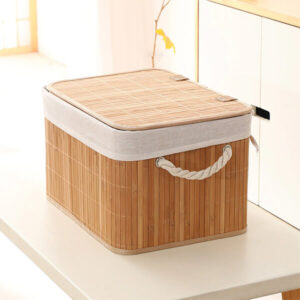
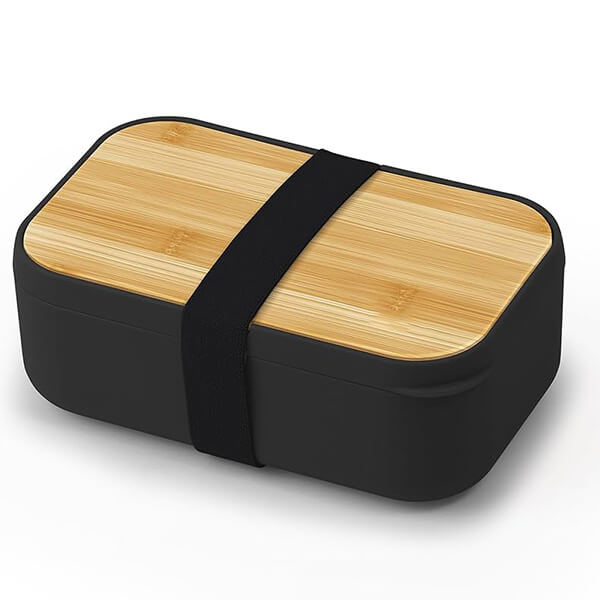
Yes, bamboo food storage containers can go in the refrigerator and are a safe option for everyday food storage. However, their performance depends on the bamboo construction and moisture protection. High-quality bamboo containers with airtight silicone seals can handle the cold, humid fridge environment while helping keep food fresh. Solid bamboo components, especially lids, may absorb moisture over time and require proper care to prevent swelling or warping.
Key Takeaways
- Bamboo containers are suitable for refrigerator storage, but durability depends on material type, moisture protection, and sealing design.
- Bamboo fiber containers generally provide better moisture resistance and dimensional stability than solid bamboo for frequent fridge use.
- Airtight lids with food-grade silicone seals help reduce moisture exposure, preserve freshness, and prevent odor transfer.
- Bamboo containers are not suitable for freezers, microwaves, or dishwashers due to risks of cracking, warping, and material damage.
- Proper use and care can extend bamboo container lifespan while maintaining safe food storage performance.
How Bamboo Containers Perform in Refrigerator Storage
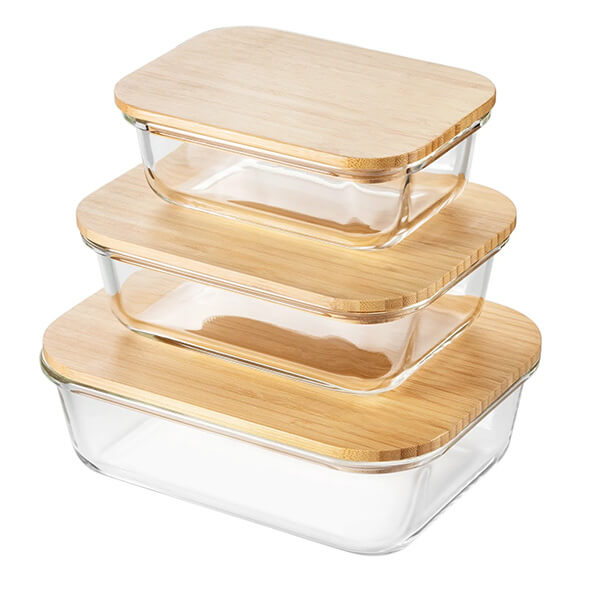
Bamboo containers can work well in refrigerator storage, but performance depends on the material construction, moisture protection, and sealing design.
Solid Bamboo vs. Bamboo Fiber Construction
Different bamboo materials offer different levels of moisture resistance:
Solid bamboo: Made from natural bamboo material with dense fibers and a solid structure. While durable and attractive, it can absorb moisture over time if not properly sealed, which may cause swelling, warping, or loose-fitting lids during repeated fridge use.
Bamboo fiber (pulp) containers: Made from processed bamboo fibers combined with food-safe binders. Their engineered structure provides better dimensional stability and moisture resistance, making them better suited for frequent refrigerator storage.
Why Moisture Causes Warping
Refrigerators create a humid environment through repeated cooling cycles and condensation. When untreated bamboo absorbs moisture, the fibers expand and contract, which can gradually lead to warped lids, reduced sealing performance, and shorter product life.
High-quality bamboo containers, such as YESUN bamboo food storage products, address this issue with food-grade silicone gaskets around the lid. These airtight seals help reduce moisture exposure, maintain freshness, and prevent unwanted fridge odors from affecting stored food.
Key Benefits of Bamboo Containers for Fridge Storage
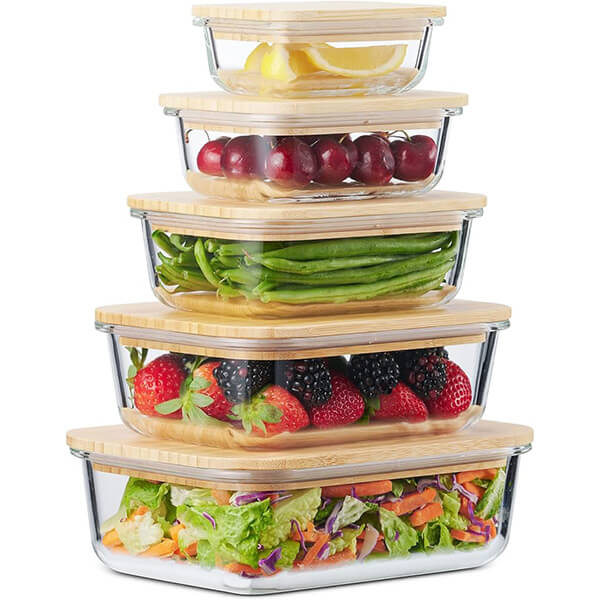
Non-Toxic, Chemical-Free Food Contact
Unlike plastic storage, bamboo containers do not leach endocrine-disrupting chemicals into food. Traditional plastic containers can release BPA and phthalates — compounds linked to hormonal disruption, reproductive harm, and developmental risks in children — especially when exposed to temperature swings in the fridge. Bamboo is an inert, natural material that keeps food pure and safe for daily meal prep.
Better Freshness and Food Preservation
Airtight bamboo storage extends fridge shelf life in two ways:
- It reduces oxidation by blocking outside air, slowing down food spoilage.
- It creates a physical barrier against airborne bacteria and fridge odors, keeping meals tasting fresh longer.
They work well for cooked grains, dry snacks, cut produce, and prepared meals. For best results, avoid storing thin, soupy liquids long-term, as prolonged contact with moisture can seep through seams.
Hard Limits: What Bamboo Containers Cannot Handle
While fridge storage is safe, bamboo is not designed for extreme temperatures. Always observe these rules to avoid permanent damage:
Never Put Bamboo Containers in the Freezer
Freezing temperatures turn any trapped moisture inside bamboo fibers into ice. As water expands when frozen, it cracks the wood structure from the inside out, causing permanent splitting, brittleness, and structural failure. Bamboo containers are for refrigerator use only.
Never Use in the Microwave
Both solid bamboo and bamboo fiber containers are not microwave-safe. Rapid, uneven heating from microwaves causes thermal stress that cracks the material. For bamboo pulp containers, high heat can also degrade the resin binder, compromising structural integrity and safety.
| Material Type | Heat Threshold | Microwave Safety |
|---|---|---|
| Solid Bamboo | Low heat resistance | Unsafe; risk of cracking and fiber damage |
| Bamboo Pulp | Up to 220°C (428°F) | Unsafe; risk of softening, cracking, and resin degradation |
Never Run Through the Dishwasher
Dishwashers expose bamboo to prolonged hot water immersion, high heat, and harsh detergents — all of which damage the material.
| Dishwasher Factor | Damage Mechanism | Impact on Bamboo |
|---|---|---|
| Extreme heat (130–180°F+) | Strips natural protective oils from the wood | Warped lids, surface cracking |
| Prolonged water exposure | Swells wood cell walls | Creates internal stress and permanent bending |
| Harsh detergents | Breaks down natural surface oils | Makes fibers porous and prone to bacteria growth |
FAQ
How long can bamboo containers stay in the fridge?
Bamboo food containers safely store food in the refrigerator for up to one week when sealed properly. The airtight silicone lock preserves freshness and prevents moisture from damaging the bamboo structure.
Can you put bamboo storage containers in the freezer?
No. Freezing temperatures damage bamboo fibers: trapped water inside the material expands as it freezes, causing permanent cracking and brittleness. Bamboo containers are designed for refrigerator use only.
Are bamboo containers safe for daily meal prep?
Yes. Bamboo is a non-toxic, inert material that does not leach harmful chemicals into food, unlike many plastic containers. It is a safe, eco-friendly choice for daily fridge storage and meal prep.
How do you clean bamboo food containers?
Always wash bamboo containers by hand with mild soap and warm water. Towel dry all surfaces immediately after washing to prevent moisture damage. Never put bamboo containers in the dishwasher.
What do I do if my bamboo lid warps?
Minor warping can sometimes be fixed by lightly sanding the lid edge and reconditioning with mineral oil. For severe warping, replacement lids are available from most manufacturers. Proper sealing and drying will prevent most warping from happening in the first place.