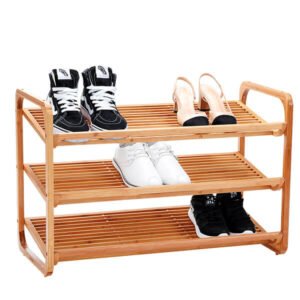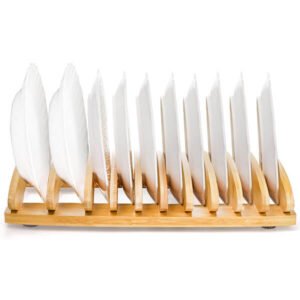
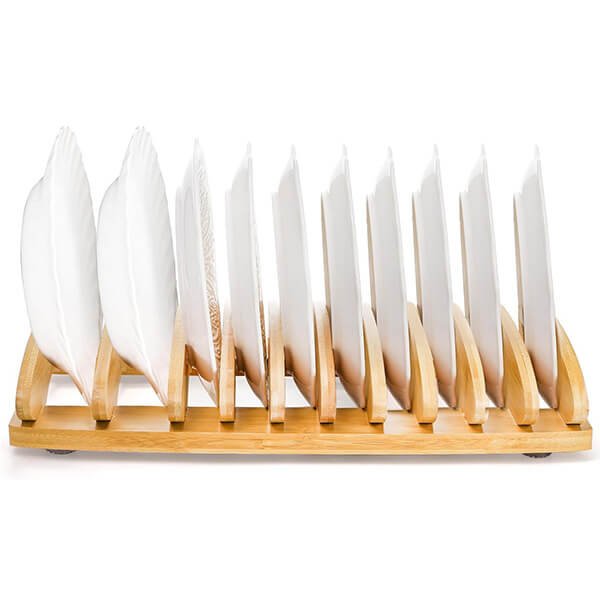
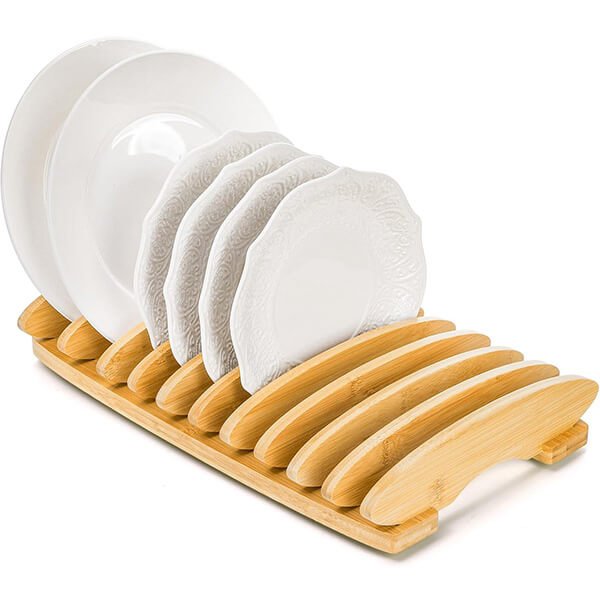
The best items to put under a bamboo dish rack are silicone mats, microfiber dish drying mats, grooved trays (bamboo or plastic), and microfiber pads. Each catches drips, protects your countertop from moisture damage, and prevents the bamboo rack itself from swelling or cracking from constant dampness. The right choice depends on your countertop material, drainage needs, budget, and cleaning routine.
Key Takeaways
- Silicone mats create a full waterproof barrier, resist heat, and work best for stone and wood countertops.
- Microfiber dish drying mats absorb drips quickly, cushion glassware, and work for light to medium loads.
- Grooved sloped trays channel water toward the sink and keep the bamboo rack drier overall.
- Match the underlay size to your dish rack footprint to catch all stray drips.
- Clean underlays regularly and balance bamboo moisture to prevent warping and cracking.
Underlay Options for Bamboo Dish Racks
Silicone Mats: Full Waterproof Barrier
Silicone mats form an impermeable barrier between the rack and countertop, blocking all drips from reaching the surface below. This is the most reliable option for protecting stone, wood, or laminate counters from water stains and damage.
Silicone also handles normal kitchen heat well (up to 450°F), so it can double as a trivet near stoves or ovens. It is flexible enough to cut to custom sizes, and grips the counter to keep the rack from sliding during loading and unloading.
Cleaning & lifespan: Most silicone mats are dishwasher-safe, or wipe clean with a quick rinse. They resist stains and odors well, and typically last 2–3 years with regular use. Cost: Mid-range — more than basic microfiber pads, less than custom engineered trays. Best for: Full waterproof protection, heat-prone areas, and stone/wood countertops at risk of water damage.
Microfiber Dish Drying Mats: Absorbent & Cushioned
Instead of blocking water, microfiber dish drying mats soak up drips as they fall through the rack slats, holding moisture inside the fibers until it evaporates or is washed out. The soft surface also cushions delicate glassware and dishes to prevent chipping and rim damage.
High-density microfiber dries faster than thick cotton, staying damp for less time between loads. Bamboo-faced drying mats are also available for a matching natural look with your bamboo rack.
Cleaning & lifespan: Machine-washable. Wash every 2–3 days for daily use to prevent odors; replace every 6–12 months. Cost: Low — one of the cheapest underlay options. Best for: Soft glassware protection, light to medium loads, and budget-friendly setups.
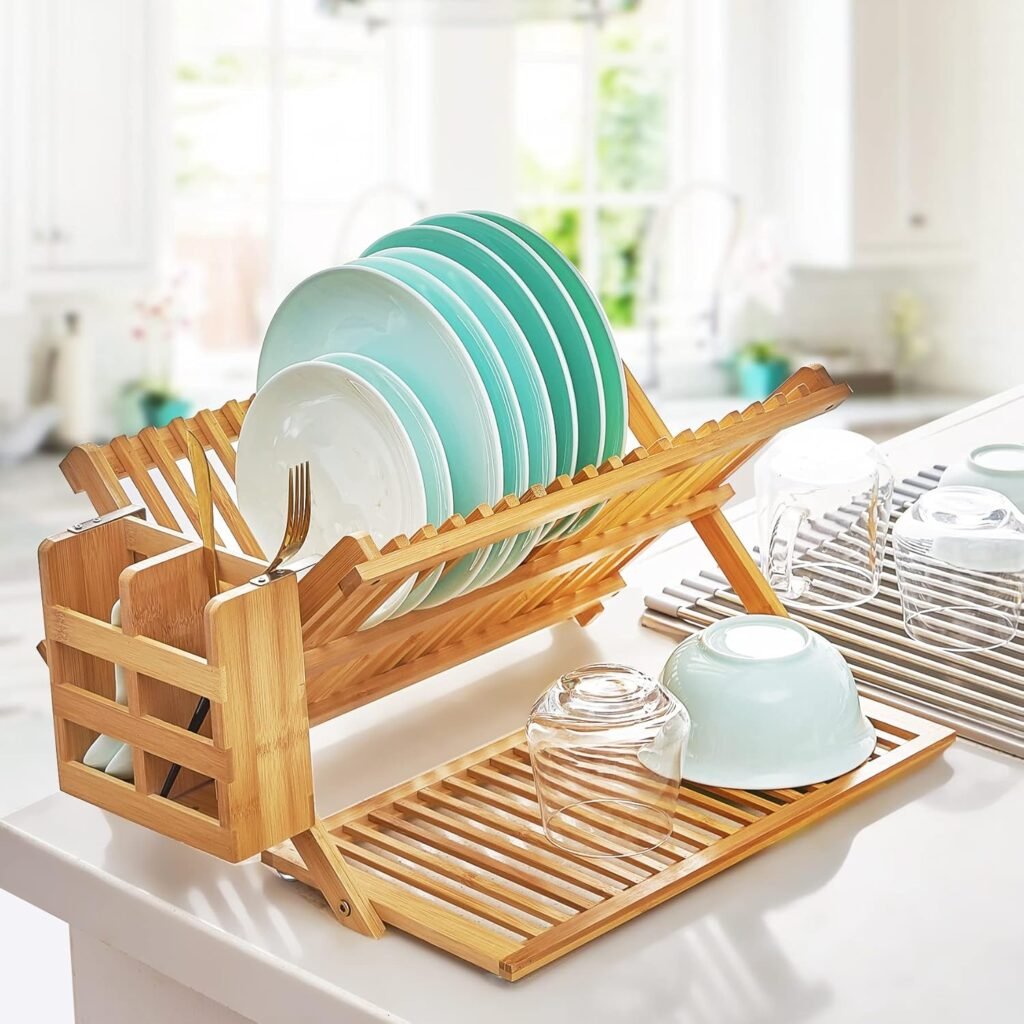
Grooved Trays (Bamboo or Plastic): Built-In Drainage
Sloped or grooved trays do more than catch drips — they channel water toward the sink instead of letting it pool under the rack. For example, YESUN’s bamboo dish rack uses a 7° sloped trough with 12mm V-groove to direct runoff, paired with an elevated grid that lifts dishes for 360° airflow, cutting water absorption by over 60% compared to flat trays.
Bamboo trays create a cohesive natural look with bamboo racks, while plastic trays are cheaper and fully moisture-proof. Treated bamboo resists swelling and holds its structure for years; plastic can yellow, crack, or turn brittle over time.
Cleaning & lifespan: Empty after each load; wipe or rinse clean. Bamboo trays last years with proper care; plastic trays have a shorter lifespan with heavy use. Cost: Low to high, depending on material and design. Basic plastic trays are cheapest; precision-engineered sloped bamboo trays are higher-priced. Best for: Heavy daily use, built-in drainage, and a tidy matched look with your bamboo rack.
Underlay Comparison Table
| Option | Waterproof Type | Drainage | Ease of Cleaning | Cost | Best For |
|---|---|---|---|---|---|
| Silicone mat | Full barrier | None (catches drips) | Dishwasher-safe / wipe clean | Mid | Full waterproofing, heat resistance, wood/stone counters |
| Microfiber drying mat | Absorbent | None (holds moisture) | Machine-washable | Low | Glassware protection, light loads, budget setups |
| Grooved bamboo tray | Partial | Sloped channeling to sink | Wipe / rinse | Mid-high | Heavy use, built-in drainage, matched bamboo aesthetic |
| Grooved plastic tray | Full | Sloped channeling to sink | Rinse clean | Low | Budget drainage, humid environments |
| Microfiber pad | Absorbent | None (holds moisture) | Machine-washable | Low | Spare backups, small kitchens, tight budgets |
How to Match the Underlay to Your Countertop
Countertop material is the biggest factor in choosing an underlay:
- Granite: Low to moderate water risk, depending on sealing. Use a silicone mat for full protection; reseal granite every 1–3 years as needed.
- Quartz: Lowest water risk. Quartz is naturally non-porous, so spills wipe clean easily. Any underlay works for this surface.
- Wood butcher block: High water risk. Wood absorbs moisture, which causes warping, cracking, and germ growth. Use a full silicone barrier mat for the best protection.
- Laminate: High risk at seams. Laminate lasts 15–20 years overall, but prolonged standing water at seams can cause damage. Use a mat or tray that covers the full rack footprint.
Always measure the base of your bamboo dish shelf and choose an underlay slightly larger than the footprint to catch all stray drips.
Quick Tips for Choosing the Right Underlay
- For full waterproofing and low maintenance: Choose a silicone mat.
- For maximum absorbency and glassware protection: Choose a microfiber dish drying mat.
- For built-in drainage and heavy daily use: Choose a grooved sloped tray.
- For budget-friendly coverage or small spaces: Choose a microfiber pad.
FAQ
Does a bamboo dish rack need an underlay at all?
Yes. Water drips through the rack slats and can stain stone counters, warp wood, and cause the bamboo rack itself to swell or crack. An underlay catches drips and protects both surfaces.
Which underlay works best on a wood countertop?
Wood butcher block absorbs moisture easily, so a silicone mat is the best choice for a full waterproof barrier. A sloped tray that channels runoff away from the wood also works well.
Can a microfiber pad replace a tray under the rack?
A microfiber pad absorbs drips but holds moisture inside its fibers, while a tray channels water toward the sink. Microfiber pads work for light loads and tight budgets; sloped trays are better for heavy daily use and built-in drainage.
How often should the underlay be cleaned?
Microfiber pads need machine washing every 2–3 days to prevent odors. Silicone mats wipe clean daily and are dishwasher-safe. Trays should be emptied after each load and rinsed regularly.
Will an underlay keep the bamboo rack from cracking?
Partly. An underlay manages drips and prevents constant dampness, but bamboo also needs occasional light conditioning and proper drying to stay flexible. Upright storage, prompt towel-drying, and light mineral oil treatment all help prevent cracking.