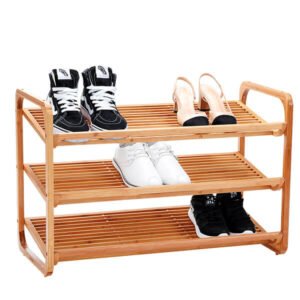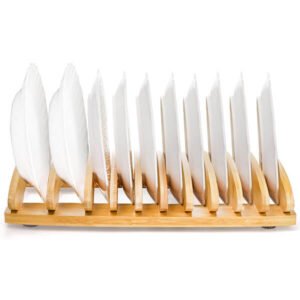

Bamboo furniture sits in the mid-range of the furniture market — it is not the cheapest option, nor is it the most expensive. Its final price depends on material grade, construction quality, design complexity, brand, and retail channel. Budget bamboo pieces are widely available, while high-grade engineered bamboo can rival mid-tier hardwood in price, while delivering better moisture resistance for damp spaces.
This guide breaks down the factors that drive bamboo furniture pricing, compares it to solid wood, and shares how to evaluate value for money.
Key Takeaways
- Bamboo furniture is priced in the middle of the market — more expensive than basic particleboard, less costly than premium hardwood.
- Material grade, joinery quality, finish type, and certifications are the biggest drivers of price and quality.
- High-grade engineered bamboo matches or beats common hardwoods in strength and moisture resistance.
- Design complexity, brand positioning, and shipping all add to the final price tag.
- Flat-pack designs and direct brand ordering can lower total cost for buyers.
What Affects the Price of Bamboo Furniture
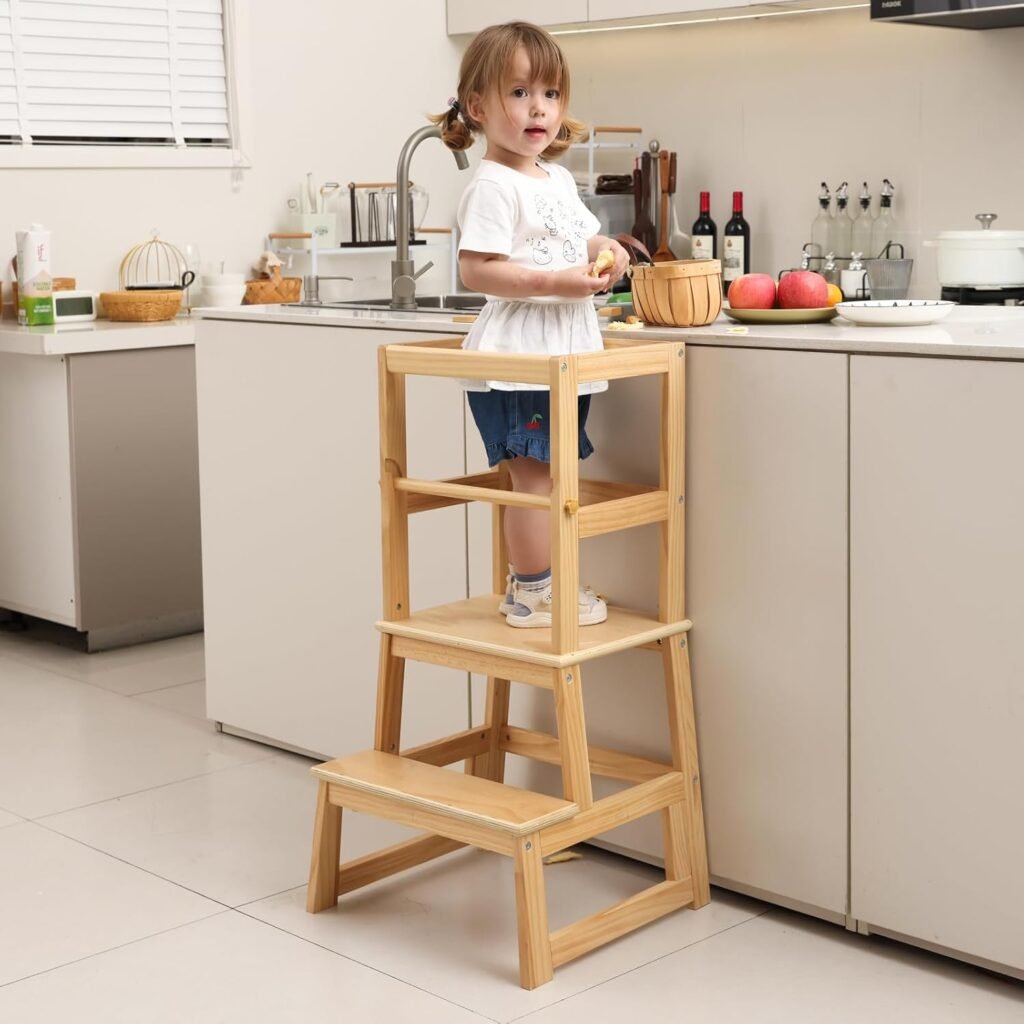
Material Grade & Bamboo Type
Only a fraction of a bamboo plant is suitable for furniture-grade material, and this limited yield raises base material costs. Harvest timing also matters: young poles are not dense enough, while old poles grow brittle. Mature, properly aged stalks deliver the strength and stability furniture requires, and mills that sort out flawed poles add quality — and cost — to the final product.
Bamboo species also impacts price. Denser species with natural moisture resistance (like Moso or Nan bamboo) command a premium, as do additional treatments like high-temperature carbonization, which reduces water absorption and mold resistance.
Production Complexity
Engineered bamboo furniture requires multiple processing steps: laminating strips, hot pressing, carbonization, and curing. Each stage adds equipment, energy, and labor cost. Higher-grade lines also invest in automated CNC machining and low-VOC adhesives for precision and indoor air quality compliance.
This engineering explains the price gap between low-cost and premium bamboo furniture. Cheap budget pieces often use low-grade laminate, mystery glues, and minimal processing. Premium engineered bamboo goes through multiple quality checks and performance treatments that justify a higher price.
Joinery & Construction
Joinery method directly impacts labor cost and final quality:
- Simple dowel joints require less skill and time, keeping prices lower.
- Mortise-and-tenon joints take more craftsmanship to cut and fit, raising labor costs but delivering far stronger, longer-lasting construction.
Knock-down flat-pack designs add upfront engineering work but cut shipping costs dramatically, with savings partially passed on to buyers. More complex frames with more parts require more clamping, gluing, and inspection, all of which add to the final price.
Finish & Moisture Resistance
Bamboo’s natural moisture resistance is one of its key selling points, and premium finishes build on this advantage. Sealed edges, water-resistant coatings, and UV-cured lacquer add extra sanding, coating, and curing time — but they also protect against swelling, mildew, and wear in humid rooms.
Bamboo vs. Solid Wood Furniture: Price & Performance
| Material | Janka Hardness (lbf) | Bending Strength (psi) | Typical Price Point | Best For |
|---|---|---|---|---|
| High-grade engineered bamboo | 1,300–3,000 | 15,000–25,000 | Mid-range | Damp spaces, modern design, sustainability-focused buyers |
| Low-grade bamboo laminate | 800–1,600 | 8,000–14,000 | Budget | Light use, dry spaces, temporary furniture |
| Mango wood | ~1,070 | 11,000–13,000 | Mid-range | Dry living spaces, traditional aesthetic |
| Mahogany | 800–900 | 10,000–13,000 | Mid to high | Traditional furniture, dry rooms |
| Ipe | 3,680 | 25,000–30,000 | Premium | Outdoor, heavy-duty use |
High-grade engineered bamboo matches or outperforms common hardwoods like mango and mahogany in strength, and far outperforms them in moisture resistance. This makes it a strong value pick for bathrooms, kitchens, and humid entryways, where solid wood would swell or warp over time.
For dry living rooms and traditional aesthetic preferences, solid wood still has a strong following. Slow-growing hardwoods like ipe set the premium benchmark for durability, but carry a much higher price tag.
Sustainability & Supply
Bamboo’s fast growth (Moso bamboo matures in under 5 years and regrows from roots without replanting) helps keep prices lower than slow-growing hardwoods, which take 40–50 years to mature. This fast renewal cycle also makes bamboo a more sustainable option for eco-focused buyers.
Design, Brand & Channel Factors in Bamboo Furniture

Design Complexity
Basic, simple designs are the most affordable. Modular, adjustable, or space-saving designs require more engineering, tighter tolerances, and more parts, all of which raise the final price. Specialty finishes like deep carbonization or smooth UV-cured surfaces also add cost.
Brand & Retail Channel
- Direct-to-consumer brands cut out middlemen and keep prices lower.
- Boutique and brick-and-mortar retailers add display, staffing, and curation costs that show up in the price tag.
- Wholesale bulk orders from a bamboo furniture supplier typically offer a much lower per-unit cost than individual retail purchases.
Shipping & Assembly
Shipping is a major cost for bulky furniture. Flat-pack knock-down designs cut logistics costs significantly, and those savings are often partially passed to buyers. Flat packs also require less warehouse space and carry lower damage risk in transit. Home assembly takes some effort, but usually delivers net savings for buyers.
Regional Price Differences for Bamboo Furniture
| Region | Availability Factors | Price Drivers |
|---|---|---|
| Asia Pacific | Abundant bamboo supply, established factories, favorable growing climate | Lower shipping and import costs |
| North America | Growing demand driven by sustainability and green building trends | Higher import shipping costs, tariffs on bamboo products |
| Europe | Strong demand for circular economy and sustainable products | Import freight and tariffs impact retail prices |
Regions with limited local bamboo supply have higher prices, as import costs and tariffs get passed to buyers. Pest risks and customs delays can also create supply uncertainty that raises prices.
How to Evaluate the Value of Bamboo Furniture
Don’t judge bamboo furniture by price tag alone. To get the best value:
- Check material grade: Look for dense, mature bamboo with a clear species and harvest age.
- Inspect joinery: Mortise-and-tenon joints signal higher quality and longer life.
- Verify the finish: Sealed edges and water-resistant coatings are worth the premium in damp spaces.
- Check certifications: Third-party certifications like FSC, LFGB, or SGS confirm quality, safety, and sustainable sourcing.
- Compare total cost: Factor in shipping, assembly, and expected lifespan, not just upfront price.
FAQ
Is bamboo furniture cheaper than wood furniture?
In many cases, yes. Bamboo matures much faster than hardwood (under 5 years vs. 40–50 years), supporting steady supply and lower prices. High-grade engineered bamboo can still cost more than common softwood, so grade and construction matter more than the material label alone.
Does bamboo furniture last as long as wood furniture?
Well-built bamboo furniture lasts for many years, especially in damp rooms where solid wood would swell and warp. Low-grade bamboo laminate may swell or delaminate within 10–15 years indoors. Solid wood remains the premium choice for traditional, heavy-duty pieces in dry living spaces.
What should you check before paying a premium for bamboo furniture?
Check four key factors: bamboo species and harvest age, joint type, finish quality, and third-party certifications. These details reveal real quality and durability far better than a price tag alone.
How does availability and sourcing affect price?
Region is a major factor. Asia Pacific has abundant local bamboo and nearby factories, keeping prices low. North America and Europe rely more on imports, so freight and tariffs raise retail prices.
Do flat-pack designs lower the final cost?
Yes. Knock-down flat-pack designs cut logistics and warehousing costs significantly, and those savings are often passed to buyers. Flat packs also have lower damage risk in transit. Home assembly takes some effort, but usually delivers net savings.