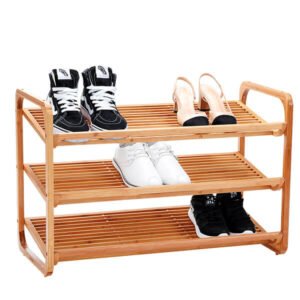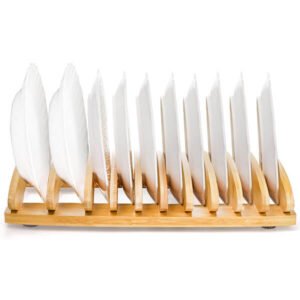
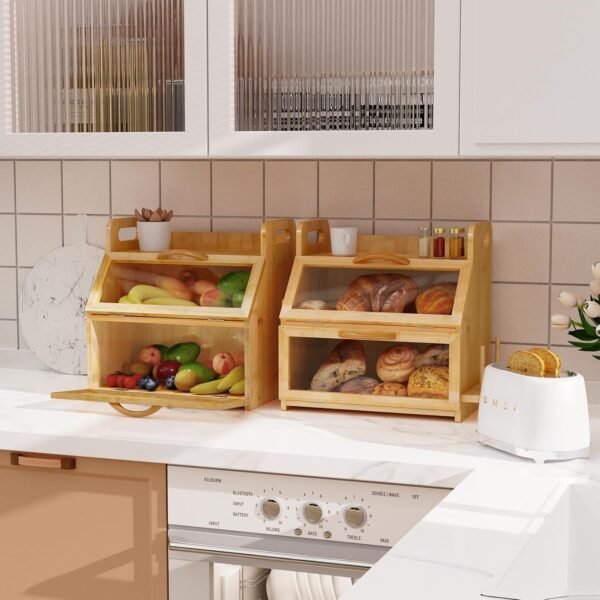
There is no single best material for pantry shelves — the right choice depends on your load needs, pantry humidity, budget, and DIY comfort level. Plywood and solid wood are the most popular all-around picks for most pantries: both hold heavy loads without sagging and resist moisture better than budget board alternatives. For humid spaces, powder-coated steel or plastic perform best. For light dry storage on a budget, MDF or pine boards work well.
Key Takeaways
- Plywood and solid wood deliver the best combination of heavy load capacity and moisture resistance for most pantries.
- Match your shelf material to your pantry’s humidity level, load weight, and budget for the longest lifespan and best value.
- Powder-coated steel and plastic are the top choices for humid, damp pantries and coastal homes.
- Solid wood and plywood cost more upfront but last longer and handle heavy canned goods and appliances.
- Always use properly sized supports and brackets to prevent sagging, improve safety, and simplify cleaning.
Key Factors for Choosing Pantry Shelving
The best material for your space depends on three core performance traits, plus practical cost and installation considerations:
- Durability: How well the board retains its shape and strength over years of use.
- Load capacity: How much weight a given span can hold before sagging.
- Moisture resistance: How well the material holds up to seasonal humidity, spills, and damp air.
- Cleaning ease: Smooth, non-porous surfaces wipe down fastest.
- Installation effort: Ranges from simple bracket mounting to custom cutting and finishing.
- Total cost: Includes the board itself, trim, supports, and fasteners, plus time for DIY builds.
Wood & Wood-Based Shelf Materials
Solid Hardwood
Solid wood is the top choice for heavy loads. Hardwoods like oak, maple, and mahogany produce strong, rigid boards that resist sagging across long spans. Hardness varies by species, measured by the Janka hardness rating:
| Wood Species | Janka Hardness Rating (lbf) |
|---|---|
| Red Mahogany | 2,697 |
| Hard Maple | 1,450 |
| Red Oak | 1,290 |
| Cherry | 995 |
Denser hardwoods like mahogany and maple hold up best for heavy canned goods and appliances. Softer woods like cherry work well for medium loads and display pantries. Solid wood expands and contracts with humidity changes, so it may distort slightly over time in very damp spaces.
Plywood
Plywood is one of the most widely recommended pantry shelf materials. Cabinet-grade 3/4-inch plywood, finished with solid wood trim, delivers excellent all-around performance. Its cross-glued alternating grain plies resist warping far better than solid wood, with consistent strength across the entire panel.
It is rated by bond-line type (Type I and Type II) for different moisture exposure levels. Type II plywood is suitable for more humid spaces, while Type I works best for dry, interior pantries.
Bamboo
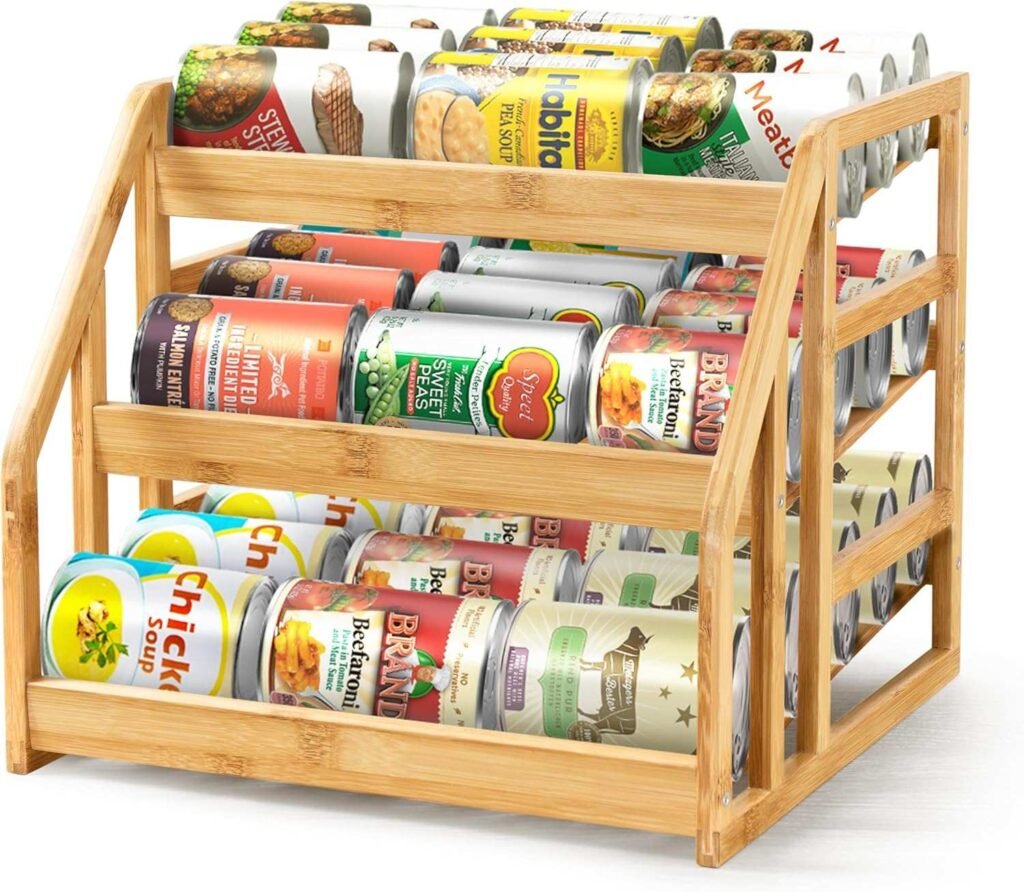
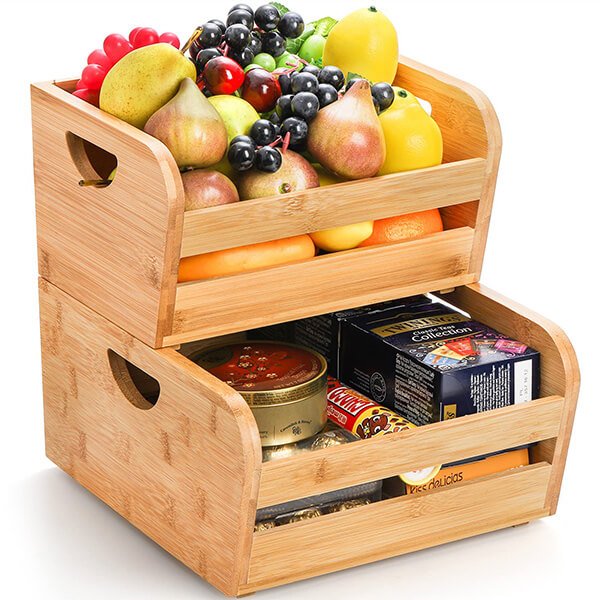
Bamboo is a durable, eco-friendly alternative for pantry storage. Many bamboo products carry FSC, BSCI, LFGB, and REACH certifications for sustainable sourcing and safety. It has a high strength-to-weight ratio and naturally resists moisture better than many soft woods, making it a good middle-ground option for medium loads.
Engineered Wood: MDF, Particleboard & Melamine
Engineered wood boards are the most budget-friendly wood-based options, best for dry pantries and light-to-medium loads.
- MDF: Uniform density, smooth flat surface, easy to cut and paint. Best for dry spaces and light loads; very sensitive to moisture exposure on exposed edges.
- Particleboard: Lowest cost wood option, easy to cut. Best for very dry, light storage; prone to swelling and crumbling if exposed to moisture.
- Melamine/TFL: Particleboard core wrapped in a wipeable, stain-resistant melamine surface. More durable and easier to clean than raw engineered wood, best for budget kitchen pantries.
Metal, Glass & Plastic Shelving
Powder-Coated Steel
Powder-coated steel is the best material for humid pantries, coastal homes, and damp basements. The heat-bonded dry powder coating resists chipping, scratching, and rust far better than paint or epoxy. A properly installed powder-coated steel shelf system typically lasts 20+ years in most conditions.
Wire shelving (usually powder-coated) allows air circulation to keep canned goods and produce dry, but small items can fall through gaps. Add a solid liner for a flat, easy-to-clean surface. Always check the manufacturer’s load rating before stacking heavy goods.
Glass
Tempered glass shelves offer a clean, modern look and wipe clean easily. A 24-inch wide, 3/8-inch thick tempered glass shelf holds roughly 20–30 pounds, making it best for spice jars, glasses, and light decor. Tempered glass breaks into small, relatively harmless pieces, and laminated glass holds fragments together for extra safety.
Glass does not flex, so always respect load limits. Hot pans set on cold glass can cause thermal shock and cracking.
Plastic
Plastic is the lowest-cost, most moisture-proof option. It handles spills and humidity easily, never rusts, and works well for light-to-medium loads like boxed goods, snacks, and paper products. It is ideal for rental kitchens, laundry rooms, and starter pantries where cost is the top priority. Heavier loads and stoneware may be too heavy for standard plastic shelves over time.
Material Comparison Table
| Material | Durability | Load Capacity | Moisture Resistance | Cleaning Ease | Installation Ease | Cost |
|---|---|---|---|---|---|---|
| Solid Wood | High | High | Moderate | Easy | Moderate | High |
| Plywood | High | High | Good | Easy | Moderate | Moderate |
| Bamboo | High | High | Good | Easy | Moderate | Moderate |
| MDF / Particleboard | Moderate | Moderate | Low | Easy | Easy | Low |
| Melamine / TFL | Moderate | Moderate | Moderate | Easy | Easy | Low |
| Powder-Coated Steel | High | High | High | Easy | Moderate | Moderate |
| Glass | Moderate | Light | High | Easy | Moderate | Moderate |
| Plastic | Moderate | Light to Medium | High | Easy | Easy | Low |
How to Choose the Right Material
- Budget first: Choose MDF, particleboard, or plastic for low-cost projects in dry spaces.
- Humid pantries: Opt for powder-coated steel or plastic for the best moisture and rust resistance.
- Heavy loads: Pick solid wood or plywood for canned goods, appliances, and heavy stock.
- Eco-focused: Choose bamboo with FSC and REACH certifications for sustainable, responsibly sourced storage.
- Beginner DIY: Pine boards and MDF cut easily with basic tools and work well for light, dry storage.
No matter the material, always use properly sized brackets and supports to prevent sagging, and seal exposed cut edges on wood-based boards to improve moisture resistance.
FAQ
Which material holds the most weight on pantry shelves?
Solid hardwood and plywood carry the heaviest loads. Oak, maple, and other hardwoods stay strong across long spans. 3/4-inch cabinet-grade plywood with solid wood trim also resists sagging well. Both work for pantries full of canned goods and appliances.
Do pine boards work for a pantry?
Yes, pine boards suit light, dry storage. They cut easily and take paint well, making them a beginner-friendly DIY choice. Add proper supports and seal the surface for best results. Upgrade to a harder material for heavier loads.
How long does powder-coated steel last in a humid pantry?
Powder-coated steel resists moisture very well. The heat-bonded coating fights chipping, scratching, and rust. A properly installed unit often lasts 20+ years in most conditions, making it ideal for damp basements and coastal homes.
What is the cheapest option for pantry shelves?
Particleboard, MDF, and plastic sit at the low end of the cost range. A 3/4-inch MDF panel costs far less than an oak board of the same size. These work best for budget projects in dry spaces. Plastic adds moisture-proof storage at a low price point.
Can glass shelves hold heavy cans?
No. A 24-inch tempered glass shelf at 3/8-inch thickness holds roughly 20–30 pounds, which works for spice jars, glasses, and light decor. Heavy canned goods belong on wood, plywood, or steel shelves instead.