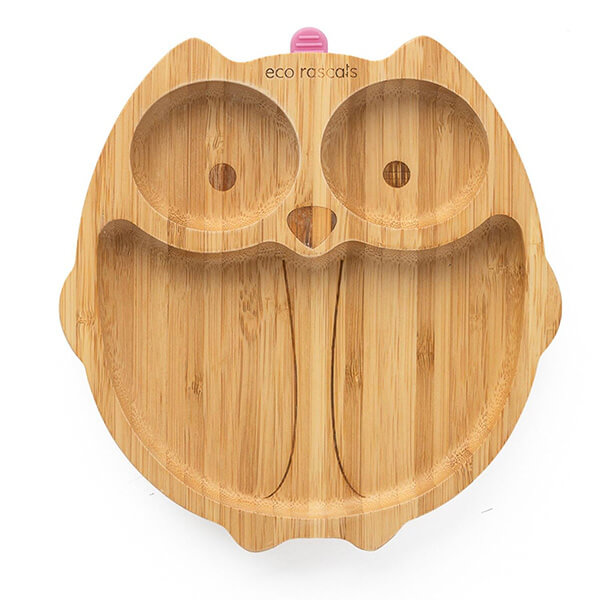
Food-grade mineral oil is the best choice for caring for bamboo plates. Bamboo is a popular eco-friendly, natural tableware material, but it requires regular oiling to prevent drying, cracking, and staining. The right oil penetrates bamboo fibers, forms a protective moisture barrier, and keeps plates looking smooth and strong for years.
As a premium bamboo tableware manufacturer, YESUN breaks down everything you need to know about bamboo plate oiling below, from the best products to proper care routines.
Key Takeaways
- Food-grade mineral oil is the top recommended option for bamboo plate care
- Apply oil once a month for regular use to prevent drying, cracking, and staining
- Avoid common cooking oils like olive or vegetable oil — they turn rancid and damage bamboo
- Watch for signs of dryness (faded color, rough texture) and oil immediately when they appear
- Pair regular cleaning with monthly oiling to extend the lifespan of your bamboo plates
Why Food-Grade Mineral Oil Is the Best Choice
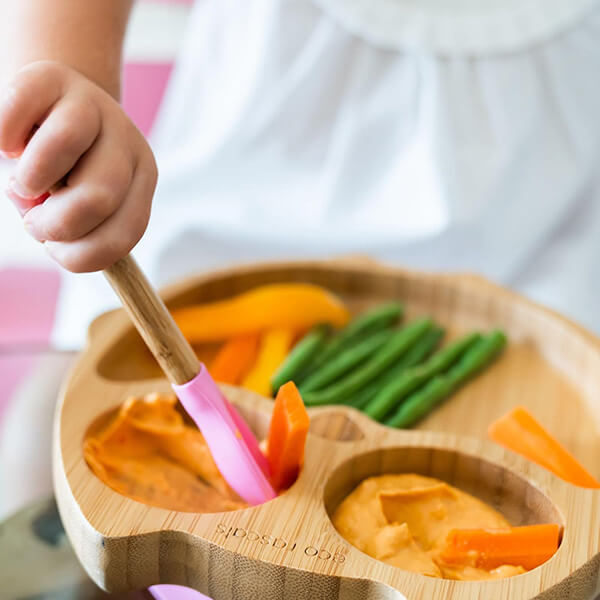
Experts universally recommend food-grade mineral oil for bamboo and wooden kitchenware, and for good reason. Unlike plant-based cooking oils, mineral oil never goes rancid, develops no odor, and leaves no sticky residue over time.
It is fully safe for food contact — approved by the FDA for food-surface use — and will not alter the taste or smell of food. When applied, it seeps into bamboo fibers to replenish moisture and create a water-resistant barrier that prevents warping, cracking, and staining.
Core benefits of food-grade mineral oil:
- Will not spoil or turn rancid, unlike vegetable, olive, or avocado oils
- Penetrates deeply to hydrate bamboo fibers and prevent brittleness
- Food-safe, odorless, and tasteless for kitchen use
- Creates a long-lasting moisture barrier to repel water and stains
Research confirms that food-grade mineral oil is highly effective for preserving bamboo and wood kitchen items. While it does not have strong antifungal properties on its own, its water-repellent barrier reduces conditions that allow mold and bacteria to grow, making it the most reliable daily care option.
| Property | Food-Grade Mineral Oil | Plant-Based Cooking Oils |
|---|---|---|
| Food Safety | Fully safe for contact | Can turn rancid and unsafe |
| Scent | Neutral, no odor | May develop unpleasant smells over time |
| Residue | Clean, no sticky buildup | Leaves sticky, gummy residue |
| Moisture Protection | Strong, long-lasting barrier | Weak, breaks down quickly |
| Rancidity Risk | None | High |
Other Bamboo Care Options
Beeswax
Beeswax is not an oil, but it is often paired with mineral oil for enhanced bamboo care. While mineral oil penetrates fibers to hydrate from within, beeswax sits on the surface to create a fast-acting, water-repellent seal and add a subtle shine.
Many premium care products (like spoon butter or board cream) combine mineral oil and beeswax for the best of both: deep hydration and surface protection. Beeswax alone works faster but requires more frequent reapplication than mineral oil.
Fractionated Coconut Oil
Fractionated coconut oil is a processed plant-based option that stays liquid and does not go rancid like regular coconut oil. It can work as a vegan alternative to mineral oil, but it does not penetrate bamboo fibers as deeply, and its moisture barrier is weaker and shorter-lasting. For long-term protection, mineral oil remains the superior choice.
Oils to Avoid on Bamboo Plates
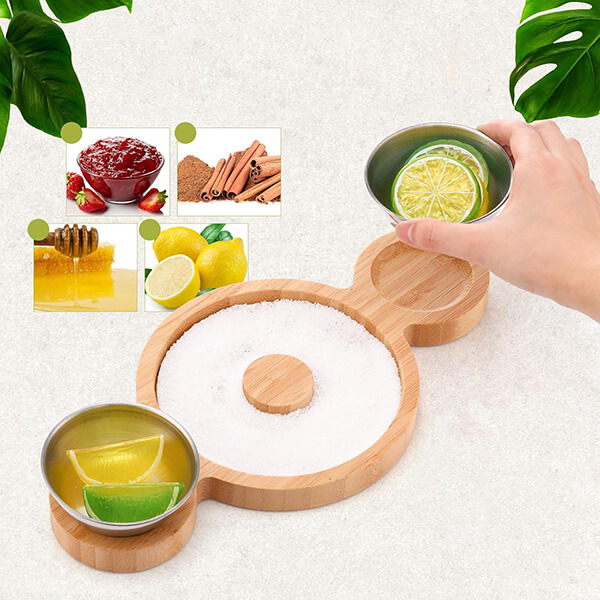
Common cooking oils are not suitable for long-term bamboo care and can actually damage your plates:
- Olive, vegetable, canola, and regular coconut oil: These oils oxidize when exposed to air, turning rancid, sticky, and smelly over time. They leave a gummy residue that is hard to clean and can discolor bamboo.
- Flavored or infused oils: These add extra ingredients that can spoil or stain plates.
While some plant oils offer short-term moisture resistance, their tendency to go rancid makes them a poor choice for regular care. Stick to food-grade mineral oil or mineral oil + beeswax blends for safe, long-lasting results.
Conclusion
Food-grade mineral oil is the safest and most effective option for maintaining bamboo plates. Regular oiling helps protect the bamboo from drying, cracking, and moisture loss, extending the lifespan of the product.
As a professional bamboo tableware manufacturer, YESUN provides durable, eco-friendly bamboo plates for retailers, wholesalers, and private-label brands worldwide. We also offer product guidance and care recommendations to help customers maximize the performance and longevity of their bamboo tableware.
Contact our team to learn more about our custom bamboo tableware solutions and manufacturing services.
FAQ
How do you clean bamboo plates before oiling?
Wash with warm water and mild dish soap, then towel dry thoroughly. Let the plate air dry completely for a few hours before oiling to ensure no moisture is trapped inside the fibers.
Does mineral oil clean bamboo plates?
No — mineral oil is a protectant, not a cleaner. Always wash plates with soap and water first, then apply oil to clean, dry plates.
What happens if you use cooking oil on bamboo plates?
Cooking oils oxidize and turn rancid over time, leaving a sticky, smelly residue. This makes plates harder to clean, can cause discoloration, and shortens their lifespan.
Is beeswax safe for bamboo plates?
Yes, food-grade beeswax is safe for bamboo tableware. It creates a water-resistant surface layer and adds a subtle shine. For best results, use a blend of mineral oil and beeswax.
Does this care routine work for other bamboo tableware?
Yes — the same oiling method works for bamboo bowls, cutting boards, utensils, and serving platters. All bamboo kitchenware benefits from regular mineral oil conditioning.