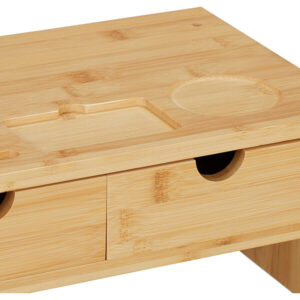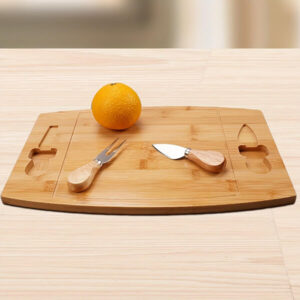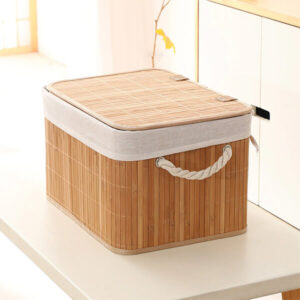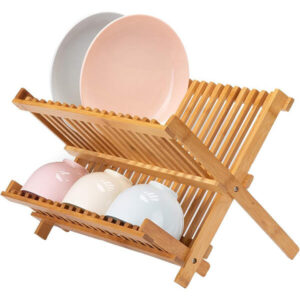
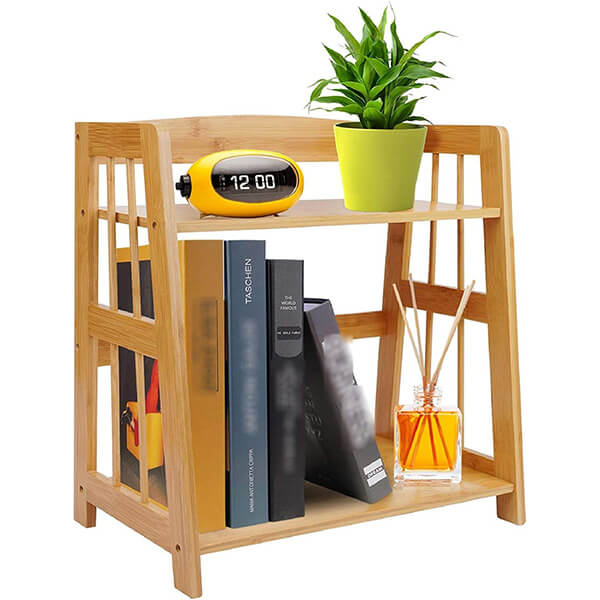
Bamboo furniture can benefit from occasional oiling, especially in dry indoor environments where the material may lose moisture over time. Applying oil can help maintain the appearance of bamboo, reduce surface drying, and improve resistance to cracking.
However, not all bamboo furniture requires oil treatment. Bamboo used in kitchens, bathrooms, or high-humidity environments may need different maintenance methods depending on the finish, level of moisture exposure, and frequency of cleaning.
Key Takeaways
- Oiling bamboo furniture enhances its natural beauty and extends lifespan in dry, low-traffic areas
- Do NOT oil kitchen bamboo (cutting boards, racks) – use food-safe sealants instead for better water and scratch protection
- Use only food-grade mineral oil or pure tung oil; avoid cooking oils that can spoil and harbor bacteria
- Reapply oil every 6–12 months, or more frequently in dry climates or high-sunlight areas
- Clean up spills immediately and maintain 40–60% humidity to prevent warping and cracking
- YESUN bamboo kitchen storage racks come pre-finished with durable, water-resistant sealants
Factors to Consider Before Oiling
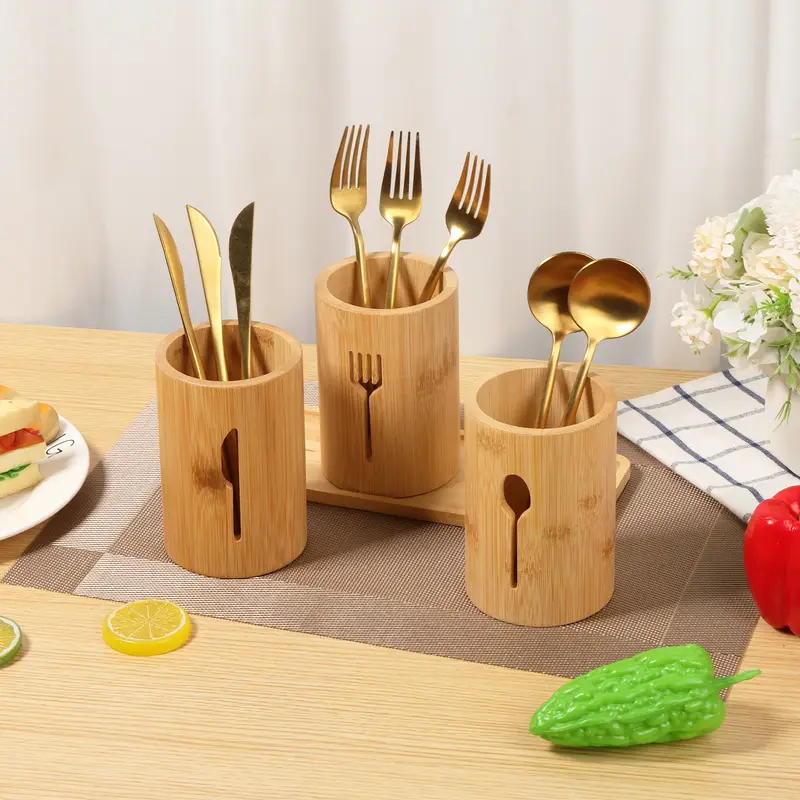
Location and Usage
The most important factor in deciding whether to oil your bamboo furniture is where you use it:
- Dry, low-traffic areas (living rooms, bedrooms, offices): Oiling is ideal
- High-traffic areas (hallways, entryways): Oiling may be needed more frequently
- Kitchen/bathroom: Oiling is not recommended – use sealants instead
- Outdoor bamboo: Requires specialized outdoor finishes, not regular oil
Bamboo in direct sunlight or dry climates will dry out faster and need more frequent oiling to prevent cracking.
Common Kitchen Bamboo Issues
Bamboo kitchen products face unique challenges, making oiling an undesirable option:
- Frequent water exposure causes warping, cupping, and splitting
- Food spills can penetrate oiled surfaces and harbor bacteria
- Scratches and dents are common and cannot be repaired by oil alone
- Oils can turn rancid when exposed to heat and air, creating sticky surfaces and bad odors
⚠️ SAFETY WARNING: Never use cooking oils (olive oil, vegetable oil, canola oil) on bamboo furniture. These oils will oxidize and spoil over time, becoming sticky, smelly, and attracting harmful bacteria.
Oiling Bamboo Furniture: Pros and Cons
Benefits of Oiling
Oiling is the traditional method for caring for bamboo furniture and offers several advantages:
| Benefit | Description |
|---|---|
| Moisture Resistance | Creates a temporary protective barrier that repels water and prevents stains |
| Enhanced Durability | Strengthens bamboo fibers and prevents drying, cracking, and splitting |
| Improved Appearance | Enhances the natural grain and gives a warm, satin sheen |
| Easy Application | Simple to apply and reapply at home with basic tools |
Oiling penetrates deep into the bamboo fibers, nourishing the wood from within and preserving its natural texture.
Drawbacks and Risks
Oiling is not a perfect solution and has significant limitations:
- Does not form a hard protective surface, so it won’t prevent scratches
- Needs frequent reapplication (every 6–12 months)
- Does not prevent mold growth if bamboo remains wet
- Can become sticky if too much oil is applied
- Not suitable for high-moisture environments like kitchens and bathrooms
How to Oil Bamboo Furniture Properly
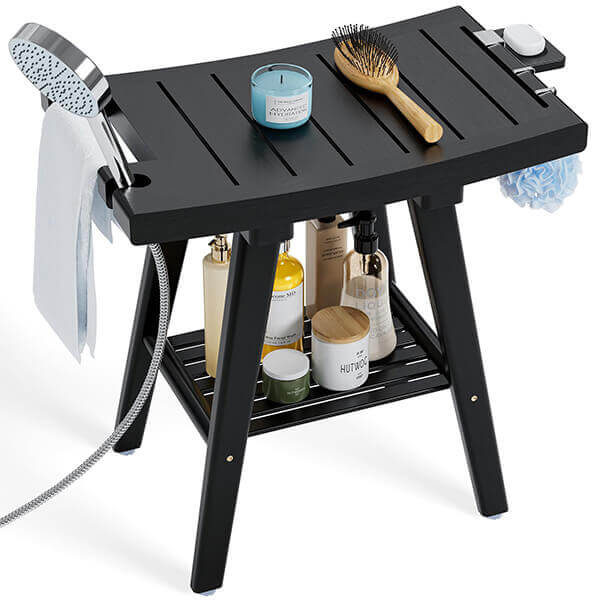
Best Oils to Use
Choose only these safe, effective oils for bamboo furniture:
| Oil Type | Drying Time | Durability | Best For |
|---|---|---|---|
| Pure Tung Oil | 7–14 days | Excellent | All indoor bamboo furniture |
| Food-Grade Mineral Oil | 24 hours | Good | Cutting boards and food-contact surfaces |
| Polymerized Linseed Oil | 3–7 days | Good | Decorative bamboo items |
Pure tung oil, extracted from tung tree seeds, is the best overall choice due to its superior water resistance and durability.
Step-by-Step Oiling Guide
Follow these steps for professional results:
- Clean thoroughly: Wipe the furniture with a damp cloth to remove all dust and dirt. Dry completely.
- Sand lightly: Use 220-grit sandpaper to smooth any rough spots. Wipe away all sanding dust.
- Apply oil: Use a clean, lint-free cloth to apply a thin coat of oil in circular motions.
- Let it soak: Allow the oil to penetrate for 15–30 minutes.
- Wipe excess: Remove any remaining oil with a clean cloth to prevent stickiness.
- Buff: Buff the surface with a dry cloth to create a smooth, even sheen.
- Repeat: Apply 2–3 thin coats, allowing 24 hours between coats.
Maintenance Frequency
- Normal indoor use: Every 6–12 months
- Dry climates or direct sunlight: Every 3–6 months
- High-traffic areas: Every 4–8 months
Check your furniture regularly for signs of dryness or dullness – this means it’s time to reapply oil.
Oiling vs. Other Bamboo Maintenance Methods
Oil vs. Sealants
Sealant is the best choice for bamboo products in the kitchen and bathroom:
| Feature | Oil | Sealant |
|---|---|---|
| Water Resistance | Temporary | Permanent |
| Scratch Protection | None | Excellent |
| Durability | 6–12 months | 3–5 years |
| Maintenance | Frequent reapplication | Minimal |
| Best For | Dry areas | Kitchen/bathroom |
Sealants form a hard, protective film on the surface of the bamboo, preventing water, stains, and scratches from penetrating.
YESUN bamboo kitchen storage racks come pre-finished with a food-safe, water-resistant sealant that provides superior protection against spills and daily wear. This eliminates the need for regular oiling and makes maintenance simple – just wipe clean with a damp cloth.
Oil vs. Waxes
Waxes are another option for bamboo furniture:
- Waxes sit on top of the surface rather than penetrating the wood
- Provide good water resistance but scratch easily
- Need to be reapplied every 2–3 months
- Best for decorative items that see little use
Choosing the Right Method
| Location | Best Maintenance Method |
|---|---|
| Living room | Oil |
| Bedroom | Oil |
| Kitchen | Sealant |
| Bathroom | Sealant |
| Office | Oil or wax |
Conclusion
Bamboo furniture is durable, lightweight, and widely used in modern homes because of its natural appearance and sustainability. Proper maintenance helps preserve its surface condition and extend its lifespan over time.
Occasional oiling may help prevent drying and maintain appearance in low-humidity indoor environments, while sealed finishes are generally better suited for kitchens, bathrooms, and other moisture-prone areas. The best maintenance method depends on the bamboo finish, usage conditions, and level of humidity exposure.
YESUN offers bamboo kitchen storage and household products designed for everyday use, with durable finishes that support easy cleaning and long-term maintenance.
FAQ
How often should someone oil bamboo furniture?
Most bamboo furniture needs oiling every 6 to 12 months. High-use pieces or those in dry climates may need more frequent care. Check for dryness or dullness to decide when to reapply.
Can oiling prevent mold on bamboo furniture?
Oiling helps block moisture temporarily, but it does not fully prevent mold. If bamboo remains wet for extended periods, mold can still develop under the oil layer. Keeping bamboo dry and clean is the best way to prevent mold.
Is oiling safe for a bamboo cutting board?
Food-grade mineral oil is safe for bamboo cutting boards. It keeps the board smooth and helps prevent cracks. However, cutting boards will need frequent re-oiling (every 1–2 months) to maintain protection.
What is the best way to clean bamboo furniture?
Use a soft, damp cloth to wipe bamboo furniture. Dry it immediately. Avoid soaking or using harsh cleaners, bleach, or abrasive sponges. Regular cleaning keeps bamboo looking fresh and strong.
Should kitchen bamboo racks use oil or sealant?
Kitchen bamboo racks need strong protection against water and stains. Sealants work much better than oil in wet or messy areas. They form a durable barrier that helps racks last longer and stay clean.
Can I use olive oil or vegetable oil on bamboo furniture?
No. Cooking oils like olive oil and vegetable oil will oxidize and spoil over time, becoming sticky, smelly, and attracting bacteria. Always use food-grade mineral oil or pure tung oil for bamboo furniture.