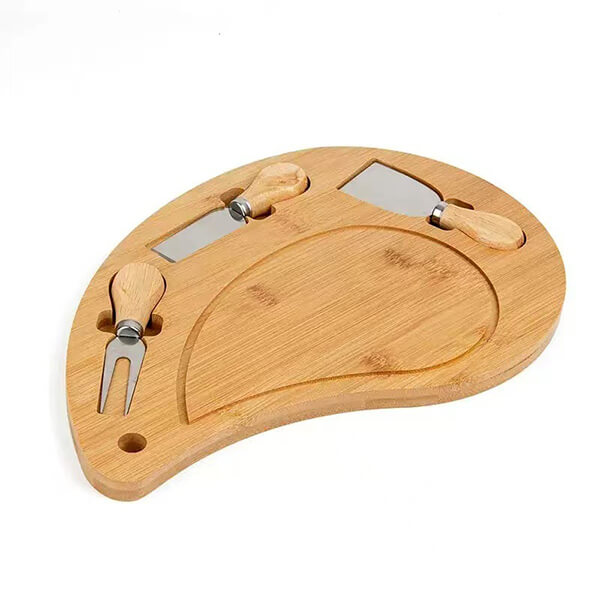
Bamboo dinnerware is loved for its natural beauty, lightweight feel, and eco-friendly credentials. But without proper storage, it can quickly develop mold, warp, crack, or lose its shine—ruining your investment in sustainable kitchenware.
The good news is that with a few simple steps, you can keep your bamboo plates looking like new for 5–10 years or more. In this complete guide, we’ll show you exactly how to clean, dry, and store bamboo plates to extend their lifespan and avoid common damage.
Key Takeaways
- Always clean and dry bamboo plates completely before storage to prevent mold and warping
- Store in a cool, dry place with good air circulation (68–77°F / 20–25°C, 50–60% humidity)
- Use soft dividers or cloths between plates to prevent scratches and improve airflow
- Oil bamboo plates every 2–3 months with food-grade mineral oil to protect fibers
- Avoid damp cabinets, airtight containers, direct sunlight, and heat sources
- YESUN bamboo dinnerware features advanced carbonization for enhanced mold and warp resistance
Preparing Bamboo Plates for Storage
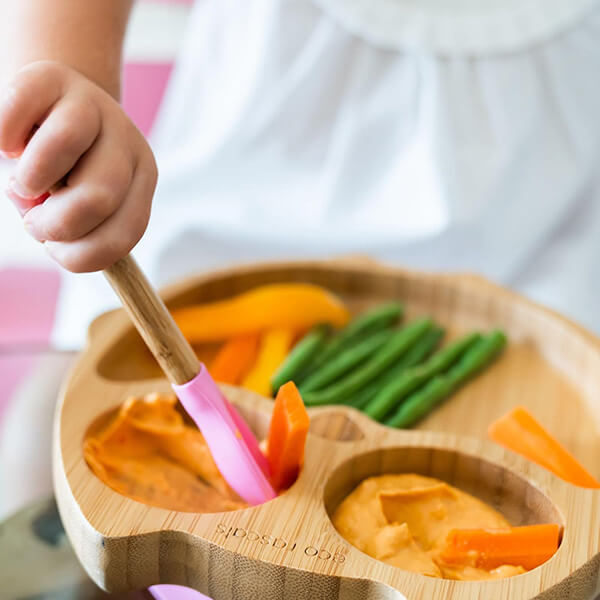
Proper Cleaning Steps
Cleaning is the first and most important step in storage. Residue and moisture left on plates will lead to mold and stains.
How to clean bamboo plates correctly:
- Hand-wash immediately after use with warm, mild soapy water
- Use a soft sponge or microfiber cloth—never use steel wool or abrasive scrubbers
- Never soak bamboo plates in water for more than 5 minutes. Extended soaking causes fibers to swell and warp
- Do not put bamboo plates in the dishwasher. High heat and water pressure break down lignin—the natural glue that holds bamboo fibers together
- Rinse thoroughly and wipe off all food residue immediately
Correct Drying Techniques
Improper drying is the #1 cause of mold and warping. According to independent laboratory testing:
| Plate Type | Average Drying Time | Mold Growth Risk (24 Hours) |
|---|---|---|
| Bamboo Plates | 1.8 hours | Negligible (<10¹ CFU/cm²) |
| Ceramic Plates | 4.2 hours | Heavy (≥10⁴ CFU/cm²) |
Best drying practices:
- Towel-dry each plate thoroughly immediately after washing
- Stand plates upright in a dish rack to allow air circulation on all sides
- Let them air-dry completely in a cool, shaded area for 1–2 hours
- Never dry near stoves, heaters, or in direct sunlight—uneven heat causes cracking and warping
Critical Safety Warning: Mold can grow on damp bamboo plates in as little as 2 weeks. Mold spores penetrate deep into bamboo fibers, making plates unsafe for food use. Always double-check that plates are 100% dry before storing.
Regular Oiling and Maintenance
Oiling replenishes natural oils in bamboo fibers, preventing drying, cracking, and staining.
How to oil bamboo plates:
- Clean and dry plates completely (let them air-dry overnight for best results)
- Pour a small amount of food-grade mineral oil or bamboo conditioning oil onto a lint-free cloth
- Rub the oil into the plate in the direction of the bamboo grain
- Let the oil soak in for at least 4 hours (overnight is ideal)
- Wipe off any excess oil with a clean, dry cloth
- For extra protection, apply a thin layer of beeswax-based board balm and buff to a shine
Repeat this process every 2–3 months, or whenever the plates start to look dull or dry.
Best Storage Locations for Bamboo Dinnerware
Cool and Dry Areas
Bamboo thrives in stable, moderate conditions. The ideal storage environment is:
- Temperature: 68–77°F (20–25°C)
- Humidity: 50–60%
Good locations:
- Upper kitchen cabinets away from sinks and dishwashers
- Open shelving in a well-ventilated pantry
- Dining room sideboards with adjustable shelves
Bad locations:
- Cabinets under sinks (high humidity)
- Near stoves, ovens, or radiators (high heat)
- Garages or basements (extreme temperature and humidity fluctuations)
YESUN bamboo plates undergo a special high-temperature carbonization process that removes excess moisture and stabilizes fibers, making them 30% more resistant to warping and mold than standard bamboo dinnerware.
Ventilation and Sunlight Avoidance
Good air circulation is essential to prevent moisture buildup. Follow these tips:
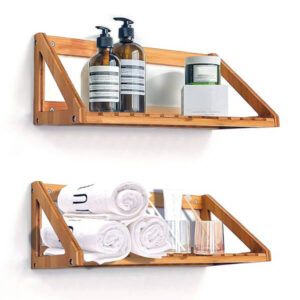
- Store plates on open shelves or slatted racks rather than solid closed cabinets
- Lift plates off the bottom of cabinets using small risers to allow air flow underneath
- Never store bamboo plates in airtight containers—trapped moisture will cause mold
- Keep plates away from direct sunlight, which causes fading, drying, and cracking
How to Arrange Bamboo Plates Safely
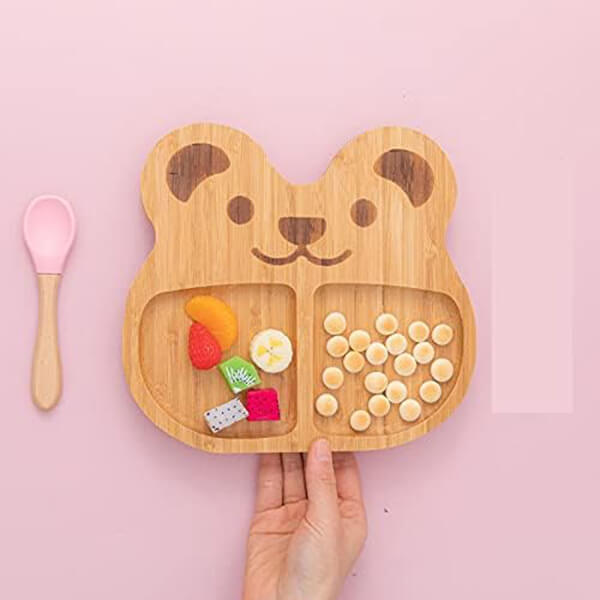
Stacking vs. Using Dividers
The way you stack plates directly affects their longevity.
| Storage Method | Pros | Cons | Best For |
|---|---|---|---|
| Stacking | Saves space | Risk of scratches, cracks, and trapped moisture | Short-term everyday use |
| Standing Upright | Best air circulation, no pressure damage | Takes more space | Long-term storage |
| Using Dividers | Prevents scratches, improves airflow | Slightly more setup | All storage scenarios |
Best practices:
- Stack no more than 4–5 plates high to avoid pressure damage
- Place a piece of parchment paper, felt pad, or soft cloth between each plate
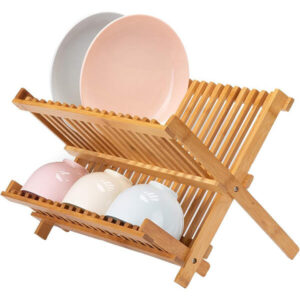
- For long-term storage, stand plates upright in a bamboo plate rack
- YESUN’s bamboo plate racks are designed to keep plates separated, ventilated, and easy to access
Preventing Scratches and Stains
- Always store clean, dry plates—food residue will cause permanent stains
- Keep metal utensils and sharp objects away from stored bamboo plates
- Wipe shelves regularly to remove dust and moisture
- Avoid placing heavy objects on top of stacked bamboo plates
Common Mistakes to Avoid
- Storing damp plates: This is the fastest way to get mold and warping
- Using airtight containers: Traps moisture and creates the perfect environment for mold growth
- Overstacking: Too much weight causes cracks and permanent dents
- Exposing to heat or sunlight: Causes uneven drying, fading, and cracking
- Skipping regular oiling: Leads to dry, brittle fibers that crack easily
- Putting in the dishwasher: High heat and chemicals destroy bamboo fibers
Troubleshooting Common Issues
| Problem | Step-by-Step Solution |
|---|---|
| Mold growth | Scrub gently with a mixture of equal parts white vinegar and water. Dry thoroughly in direct sunlight for 1 hour. If mold returns, discard the plate. |
| Minor warping | Place the plate between two heavy, flat books. Leave in a cool, dry place for 24–48 hours. |
| Food stains | Make a paste of baking soda and water. Rub gently into the stain, then rinse and dry completely. |
| Dry, dull surface | Apply a thick coat of food-grade mineral oil. Let soak overnight, then wipe off excess. |
| Odors | Wipe the plate with a cut lemon or a cloth dipped in white vinegar. Rinse and dry thoroughly. |
Conclusion
Proper storage is the key to enjoying your bamboo dinnerware for years to come. By following these simple steps—cleaning gently, drying thoroughly, storing in a cool ventilated place, and oiling regularly—you can prevent mold, warping, and scratches.
YESUN bamboo dinnerware is designed for durability and sustainability, with advanced processing techniques that enhance resistance to common damage. With the right care, your YESUN bamboo plates will provide beautiful, eco-friendly dining for your family for many years.
FAQ
How often should I oil my bamboo plates?
Oil your bamboo plates every 2–3 months, or whenever they start to look dull or feel dry. If you use them daily, you may need to oil them more frequently.
Can bamboo plates go in the dishwasher?
No. Bamboo plates should never be put in the dishwasher. The high heat, water pressure, and harsh detergents will cause warping, cracking, and premature deterioration. Always hand-wash with mild soap.
What should I do if my bamboo plates get moldy?
Scrub the moldy area with a mixture of white vinegar and water, then dry the plate completely in direct sunlight for 1 hour. If the mold has penetrated deep into the fibers or returns after cleaning, discard the plate for safety.
Is it safe to stack bamboo plates?
Yes, but only stack 4–5 plates high and place a soft divider between each plate to prevent scratches. For long-term storage, standing plates upright in a rack is better.
Do bamboo plates absorb odors?
Bamboo plates rarely absorb odors when properly cared for. If an odor develops, wipe the plate with lemon juice or white vinegar, then rinse and dry thoroughly.