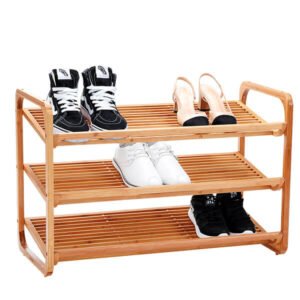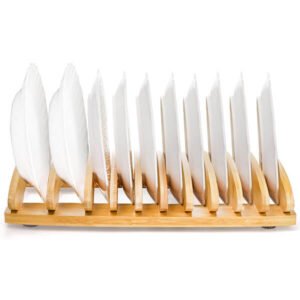
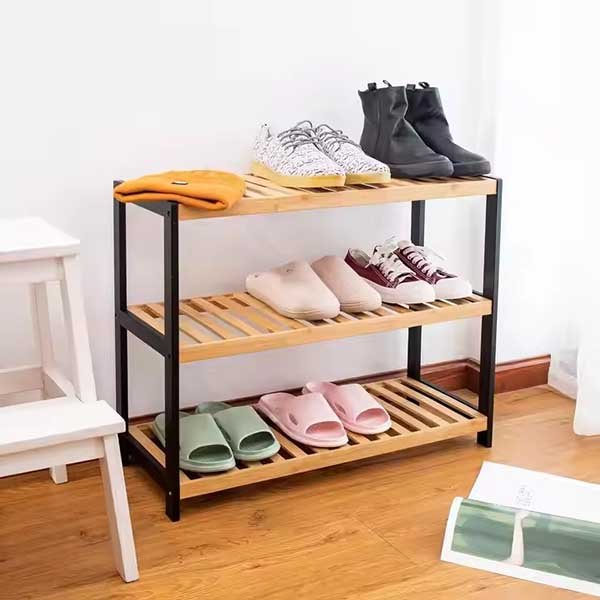
A bamboo shoe rack makes a solid storage option, yet three key factors determine its performance: humidity, the weight of shoes, and the rack’s location. Bamboo shoe racks perform optimally in dry rooms holding light or medium-weight footwear. Wet environments and heavy boots call for alternative materials instead.
Both homeowners and bulk purchasers need practical guidance before selecting bamboo shoe racks. This guide helps readers assess whether bamboo suits their space, storage requirements and local climate. It includes material comparisons, realistic limitations and recommended placement tips, allowing readers to evaluate bamboo based on objective facts rather than marketing hype.
Key Takeaways
- Bamboo shoe racks are best suited for use in dry rooms and are designed to hold lightweight to medium-weight footwear.
- Bamboo is an eco-friendly, lightweight material that is treated to be moisture-resistant.
- Placing heavy boots on the rack for extended periods or exposing it to a humid environment may cause damage.
- Material comparison: Metal and hardwood offer superior load-bearing capacity, while plastic is more affordable but less sturdy.
- To maintain your bamboo shoe rack, wipe it with a damp cloth and keep it dry.
Why Bamboo Works for Shoe Racks

Bamboo gives you real benefits for storing shoes. Its natural qualities fit many homes and small business spaces. Knowing these strengths helps buyers make good choices.
Lightweight, Sustainable, and Water-Resistant
Weight is a key factor for shoe racks. Bamboo has a density of 31.2 to 53.1 pounds per cubic foot, while oak ranges from 42.1 to 48.1 pounds per cubic foot. Consequently, bamboo can be lightweight yet remarkably strong, making bamboo shoe racks easy to move. Many designs are foldable, allowing them to lie flat for storage.
Moisture resistance depends on how the bamboo is processed. Heating it at temperatures between 160°C and 220°C for 1.5 hours enhances its water resistance and helps it retain its shape. Compared to bamboo with horizontal or vertical grain patterns, strand-woven bamboo withstands humid environments better; its compressed fiber structure slows the rate of moisture absorption.
Many bamboo shoe racks feature rust-resistant screws, ensuring the hardware does not rust during daily use. The surfaces are easy to clean and can be quickly wiped down.
Drawbacks of Bamboo
Natural bamboo possesses free hydroxyl groups and a porous structure, causing it to absorb moisture and struggle to maintain its shape. Bamboo expands or contracts under humid conditions. Its fiber saturation point occurs at a moisture content of approximately 25% to 30%. Below this point, cell walls shrink and swell in response to humidity changes; above this point, additional water does not alter dimensions. Normal indoor humidity results in a moisture content of 6% to 9%. At 70°F and 60% relative humidity, the equilibrium moisture content reaches 11% to 12%, rising to 14% at 80°F and 70% relative humidity. Performance is optimal in dry rooms with light to moderate shoe loads. Manufacturers or custom fabricators can advise on treatments suited to specific climates. Proper care can extend the lifespan of a bamboo shoe rack.
Is Bamboo the Best Material for a Shoe Rack?
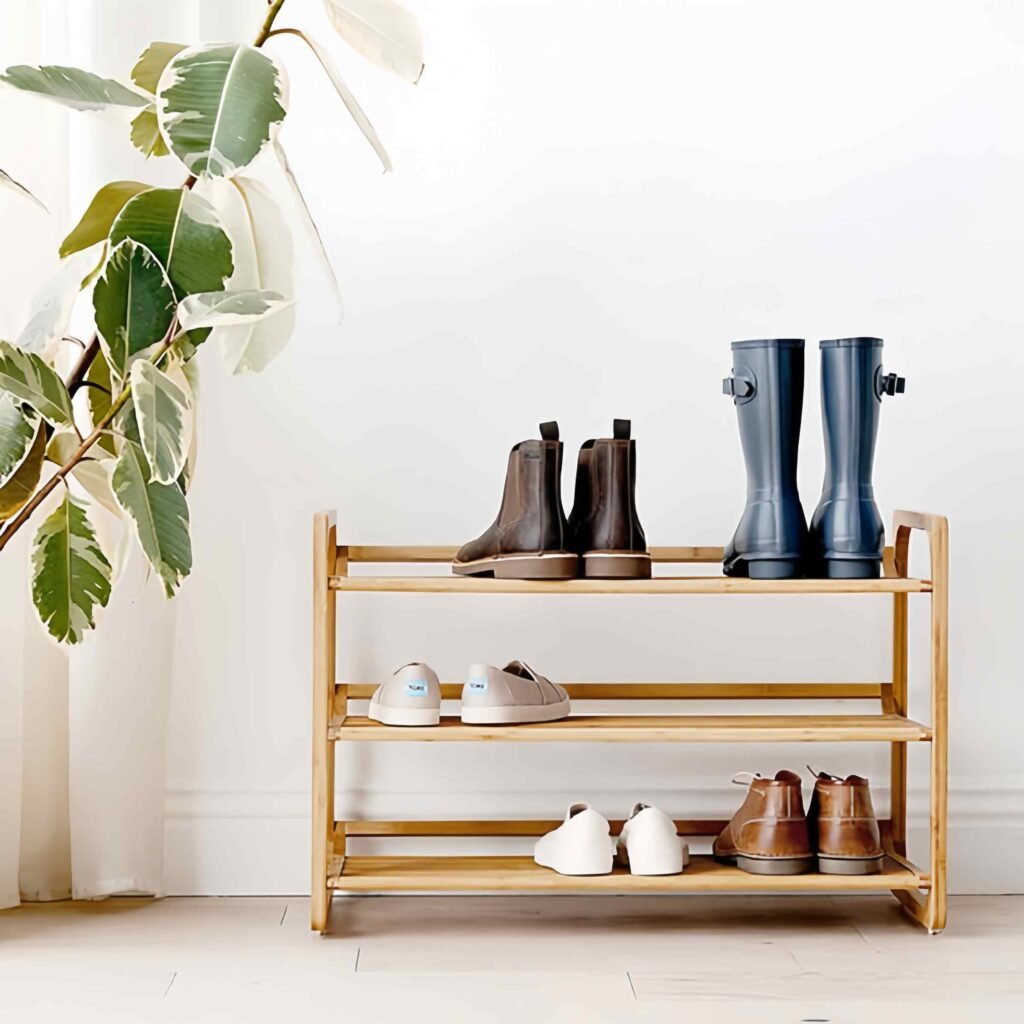
No one material wins at everything. Each choice has pluses and minuses for strength, moisture, weight, cost, looks, and the environment. Buyers should match these factors to their own storage needs.
Comparing Bamboo with Wood, Metal, Plastic, and Fabric Materials
Solid wood offers a premium feel and—provided the surface is well-sealed—can last for decades; it also boasts high load-bearing capacity, easily supporting heavy footwear. However, solid wood is heavier and more expensive than bamboo, and unsealed surfaces are susceptible to water damage.
Metal shoe racks are sturdy, durable, resistant to pests, and easy to clean. Their downsides include a tendency to rust in humid environments and a susceptibility to surface scratches over time. Plastic options are affordable and waterproof, making them suitable for use in closets or garages; however, they may crack under heavy loads and often have a cheap appearance.
Fabric organizers are lightweight and foldable, ideal for hanging behind doors, but they have limited load-bearing capacity—sagging or deforming under the weight of heavy shoes—and offer relatively poor durability. Bamboo shoe racks combine the advantages of these various materials: they are lightweight, waterproof, and eco-friendly, while also being more affordable than solid wood; furthermore, their simple, natural aesthetic blends seamlessly into a wide range of home interiors.
| Material | Key Pros | Key Cons |
|---|---|---|
| Solid wood | Premium feel, very durable, sturdy | Heavier, more expensive, moisture-sensitive |
| Metal | Very strong, high weight capacity, easy to clean | Can rust, heavy, prone to scratches |
| Plastic | Affordable, moisture-resistant, lightweight | Less sturdy, may crack, looks cheap |
| Bamboo | Eco-friendly, lightweight, moisture-resistant | Less durable than hardwood, limited weight capacity |
| Fabric | Portable, affordable, foldable | Less sturdy, prone to sagging |
Comparison of Durability, Cost, and Environmental Impact
In terms of durability, solid wood performs best, with bamboo also offering strong performance. Metal resists warping and sagging; plastic may bend under heavy loads; and fabric materials are prone to stretching or tearing with frequent use.
Bamboo products are biodegradable and compostable under the right conditions, whereas plastics do not break down in this way. While metal is recyclable, the recycling process consumes energy, giving bamboo the advantage regarding environmental impact.
Bamboo is an ideal choice for shoe racks kept in dry indoor environments, as it strikes a great balance between cost, aesthetics, and eco-friendliness. However, if the rack is intended for heavy boots or use in a damp basement, wood or metal might be more suitable.
Best Uses for Bamboo Shoe Racks
Bamboo shoe racks have clear benefits for many homes. They are light, look natural, and are easy to clean. Most models take only minutes to put together. Foldable, multi-tier bamboo shoe racks help save floor space. A stackable bamboo shoe rack fits well in closets and small apartments. These racks also appeal to buyers who care about the environment.
There are downsides too. Weight limits affect what a bamboo shoe rack can hold. Heavy boots may strain the shelves over time. High humidity can warp the frame. Metal and hardwood last longer in tough conditions. Buyers should think about these trade-offs before they choose.
Bamboo Shoe Racks Pros and Cons at a Glance
Stability and portability are crucial for daily use. Some models feature handles for easy relocation. Tests show that well-crafted bamboo shoe racks remain stable under normal loads; however, to prevent wobbling, the unit must be assembled correctly and placed on a level surface.
Bamboo shoe racks may not be the best choice for storing heavy winter boots; sturdy metal or hardwood racks are often better suited for this task. However, they excel at holding lightweight to medium-weight footwear. Their stackable design allows for vertical expansion to save space—a flexibility that makes them ideal for renters and residents of small homes.
Ideal Use Cases for Bamboo Shoe Racks
Bamboo shoe racks are suitable for entryways, bedrooms, hallways, closets, living rooms, dormitories, and small apartments. They effectively utilize spaces such as areas behind doors or in room corners. Placing the rack in a well-ventilated indoor area free from standing water helps preserve its condition; exposure to dampness or fluctuating environmental conditions can shorten the lifespan of both the footwear and the rack itself.
Although some products claim that the bamboo material is resistant to mold, moisture, and odors, strand-woven bamboo can still expand or warp in underground spaces with significant humidity fluctuations (such as semi-basements). Damp basements and sheltered outdoor areas pose such risks, and storing excessively heavy boots may exceed the rack’s safe load-bearing capacity. In these environments, buyers should opt for products made from other materials.
Bamboo shoe racks are an excellent choice for rooms with dry conditions and moderate footwear loads. Wholesalers and manufacturers can provide professional advice on material processing techniques to bulk-purchase clients. Yesun Household Co., Limited is a manufacturer specializing in bamboo products; holding certifications such as FSC, BSCI, LFGB, and REACH, the company accepts OEM/ODM custom orders for bamboo shelving units and storage products.
Bamboo shoe racks work well when buyers pick the right use, space, and expectations. A dry place, light-to-medium shoe loads, and simple regular care are the main things to think about. These three points decide if bamboo fits a home or business.
Shoppers should compare bamboo’s eco-friendly, lightweight appeal with its weight and moisture limits. A wholesale supplier or custom factory can help with bulk orders for shoe storage. With proper care, a bamboo shoe rack serves dry entryways and closets well. Buyers who need heavy boot storage or damp-area racks should pick another material. For everyone else, bamboo shoe racks are a smart, sustainable choice.
FAQ
Can a bamboo shoe rack handle heavy boots?
No. A typical three-tier bamboo shoe rack holds up to 286 pounds. That limit suits light and medium footwear. Heavy boots push past safe loads over time. Buyers who store winter boots should pick metal or hardwood instead. A wholesale supplier can recommend the right rack for each shoe type.
Does humidity damage bamboo shoe racks?
Yes, moisture can warp them. Bamboo swells when indoor humidity climbs above 60 percent. Visible swelling can appear within weeks at 80 degrees Fahrenheit and 70 percent relative humidity. Dry rooms keep the frame stable. Damp basements and outdoor spots shorten its life. Buyers in wet climates should treat bamboo or choose another material.
How does bamboo compare to other shoe rack materials?
Each material has trade-offs. Metal and hardwood beat bamboo on weight capacity. Plastic costs less but looks cheaper and cracks under load. Fabric sags and wears out fast. Bamboo balances eco-friendliness, light weight, and natural looks. It works best for dry indoor spaces with light-to-medium shoes.
How should someone care for a bamboo shoe rack?
Wipe the surface with a damp cloth. Keep the rack away from standing water and direct heat. Check screws and tighten them as needed. Place the unit on an even floor to prevent wobbling. A custom factory can share treatment and maintenance tips for specific climates.
Where can bulk buyers source bamboo shoe racks?
Yesun Household Co., Limited is a B2B bamboo manufacturer with FSC, BSCI, LFGB, and REACH certifications. The company offers OEM/ODM bamboo racks and organizers. It serves partners in more than 60 countries with factory-direct pricing and low MOQ options. Bulk buyers can request custom designs and packaging.