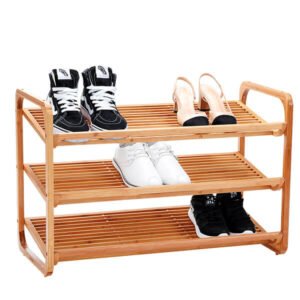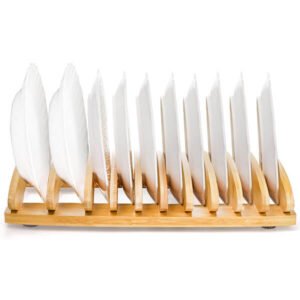
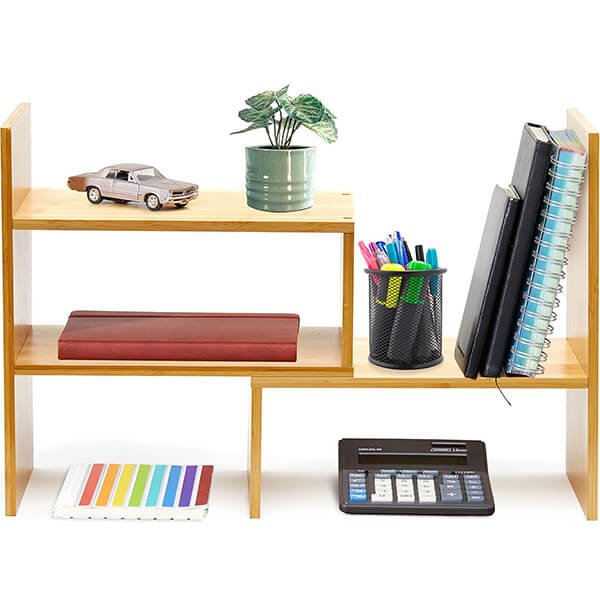
Yes, bamboo is a strong, eco-friendly, cost-effective material for most indoor bookshelves, as long as you select dense, well-sealed, low-emission engineered bamboo. It sits between budget particleboard and premium solid hardwood in both price and performance, making it a practical pick for modern homes balancing durability, sustainability, and cost.
The best bamboo bookshelves use dense strand-woven or laminated Moso bamboo for strength, protective sealants for moisture resistance, and low-VOC adhesives for indoor safety. When these three traits line up, bamboo delivers stable, long-lasting shelving with a smaller environmental footprint than most conventional wood alternatives.
Key Takeaways
- Choose dense strand-woven or laminated Moso bamboo for heavy-load bookshelves; plain strip bamboo works for light display shelves.
- Keep shelf spans under 42 inches, and add mid-span supports for heavy reference book collections.
- Look for low-emission certifications like CARB Phase 2 or TSCA Title VI for safe indoor air quality.
- Sealed bamboo works well in dry rooms; opt for solid wood or plywood for very damp or high-humidity spaces.
- Bamboo costs less than solid hardwood and delivers long service life with proper care and sealing.
Strength & Durability of Bamboo Bookshelves
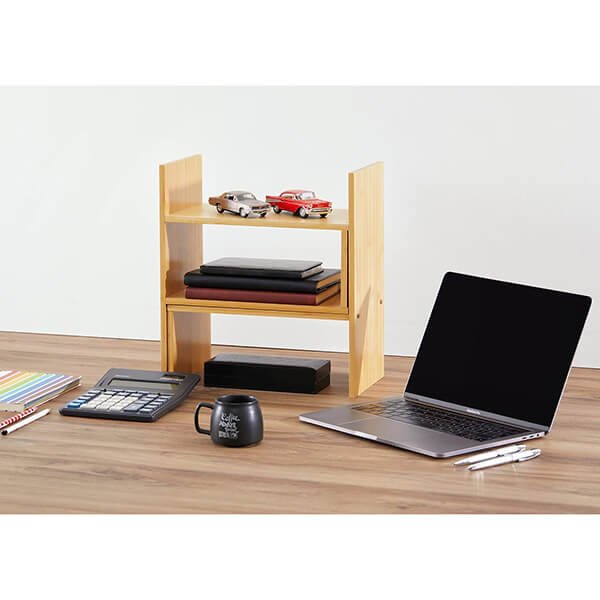
Bamboo is a fast-growing grass with a high strength-to-weight ratio, delivering strong shelves without the heft of solid hardwood. Dense strand-woven and laminated Moso bamboo are harder than many common hardwoods, while plain strip bamboo is softer and best suited for light display loads.
Load Capacity & Span Guidelines
Load capacity depends far more on span length and thickness than just material. Wider, shorter shelves carry more weight; longer spans sag far more easily. The table below shows the load (in pounds) that causes a 1/4-inch sag in 3/4-inch thick shelving:
| Material | 30″ span 8″ wide | 30″ span 12″ wide | 36″ span 8″ wide | 36″ span 12″ wide | 42″ span 8″ wide | 42″ span 12″ wide |
|---|---|---|---|---|---|---|
| Red Oak | 356 | 534 | 209 | 313 | 133 | 206 |
| Laminate-covered medium-density particleboard | 234 | 350 | 137 | 205 | 86 | 129 |
| Birch-faced plywood (veneer core) | 145 | 218 | 86 | 129 | 54 | 81 |
| Birch-faced plywood (MDF core) | 125 | 188 | 72 | 109 | 46 | 68 |
| Medium Density Fiberboard (MDF) | 100 | 150 | 58 | 87 | 36 | 54 |
Engineered bamboo resists cracking and splitting under stress better than many traditional woods. Follow these rules for structural integrity:
- Keep spans at or under 42 inches, with 36 inches between supports as the sweet spot for standard 3/4-inch stock.
- Add a mid-span support for shelves wider than 35 inches holding heavy books.
- Attach a 1″ × 2″ hardwood apron to the front edge to boost strength by nearly 400%.
- For bookcases over 8 feet tall, add permanent shelves roughly every 3 feet.
Moisture & Pest Resistance
Properly sealed bamboo handles humidity far better than chipboard or MDF. Its dimensional stability is excellent — it bends rather than cracks under stress, and a well-sealed panel can last 15–20 years with basic care. Chipboard and MDF, by contrast, swell and delaminate quickly if water penetrates their surface seal.
Bamboo is also naturally more pest-resistant than raw wood, but it is not immune. Powderpost beetles can damage unprotected bamboo, and termites can invade from cut ends. Engineered, laminated, and sealed bamboo resists both far better than raw, unfinished stock.
Best Rooms & Styles for Bamboo Bookshelves
Bamboo works best in dry, temperature-stable rooms like living rooms, bedrooms, and home offices. It adds a warm, natural aesthetic and works across multiple shelf styles:
- 5-shelf open bookcases: Maximize vertical storage while keeping rooms feeling airy.
- Ladder shelves: Lean against walls to save floor space in small rooms.
- Cube organizers: Split storage into compartments for bins, baskets, and decor.
- Foldable/expandable shelves: Adapt to changing storage needs, and work for both indoor and covered outdoor use.
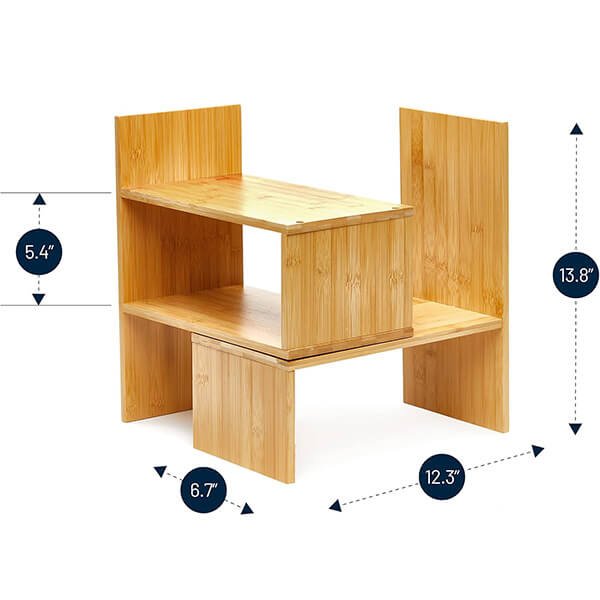
Brands like Yesun offer a range of bamboo shelving styles, including foldable 3-tier ladder shelves, expandable stand bookcases, and multi-layer storage shelves, all made from durable engineered bamboo.
Avoid using unsealed bamboo in bathrooms, basements, or sunrooms with high humidity. While sealed bamboo holds up well to occasional moisture, consistently damp environments will shorten its lifespan and increase mold risk. For very damp spaces, solid wood or plywood is still the safer choice.
Indoor Safety of Bamboo Bookshelves
Formaldehyde & Air Quality
Like most composite wood products, laminated bamboo uses adhesives to bond layers, which can contain formaldehyde. For safe indoor air quality, look for products certified to CARB Phase 2 or TSCA Title VI standards, which set strict limits on formaldehyde emissions.
Phenol-formaldehyde bonded bamboo typically meets these strict limits, with very low off-gassing over time. Avoid products using urea-formaldehyde glues, which emit higher levels of VOCs. Let new shelves air out for a few days after installation to clear any residual manufacturing smells. Third-party testing from labs like SGS provides extra confirmation of safety.
Fire Safety
Dense bamboo burns slowly and similarly to hardwood when exposed to flame. It does not ignite immediately or spread flames rapidly, forming a protective char layer that slows further burning. No wood-based shelf is fireproof, but well-made bamboo poses no greater fire risk than a comparable hardwood unit for normal indoor use.
Reduce risk by keeping shelves at least several feet away from space heaters, candles, and fireplaces, and ensure working smoke detectors in rooms with bookshelves.
Bamboo vs. Solid Wood: Cost & Value
Bamboo sits between budget particleboard and premium solid hardwood on price. Dense strand-woven engineered bamboo is comparable in cost to mid-range oak and maple, while plain strip bamboo is more affordable.
The value comparison comes down to lifespan and sustainability:
- A well-made, sealed bamboo bookshelf lasts 15–20 years with basic care.
- Solid hardwood bookshelves can last 30+ years, making them better for heirloom pieces and very long spans.
- Bamboo’s fast renewability gives it a smaller environmental footprint than slow-growing hardwoods.
For most medium-load residential bookshelves, bamboo delivers better value than cheap particleboard (which needs replacement every 5–10 years) and costs less than premium hardwood.
Buying Tips
To get a durable, safe bamboo bookshelf:
- Pick dense construction: Choose strand-woven or laminated Moso bamboo for loaded shelves; plain strip bamboo only for light display use.
- Check sealing & finish: Ensure edges and surfaces are fully sealed to resist moisture and warping.
- Verify low-emission certification: Look for CARB Phase 2, TSCA Title VI, or third-party test reports to confirm safe indoor air quality.
FAQ
How much weight can a bamboo shelf hold?
Load capacity depends on span, thickness, and support placement, not just material. Dense strand-woven bamboo panels are comparable in strength to mid-range hardwoods. For heavy book collections, keep spans around 36 inches between supports and add a mid-span brace.
Which bamboo form works best for heavy books?
Strand-woven and laminated Moso bamboo are the densest, strongest options, harder than many hardwoods and more crack-resistant under stress. Plain strip bamboo is only suitable for lighter display loads.
Do bamboo bookshelves work in humid rooms?
Sealed bamboo handles humidity better than chipboard or MDF, and can last 15–20 years with basic care. For very damp spaces like bathrooms or basements, solid wood or plywood is still the safer choice.
What certifications should I look for?
Look for CARB Phase 2 or TSCA Title VI low-emission certifications for safe indoor air quality. Third-party test reports from labs like SGS provide extra confirmation of compliance.
Are bamboo bookshelves a good value vs. solid wood?
Bamboo sits between budget particleboard and premium hardwood on price. It delivers great value for medium-load residential shelves, with a smaller environmental footprint. Solid wood is still better for very long spans and heirloom-quality pieces.