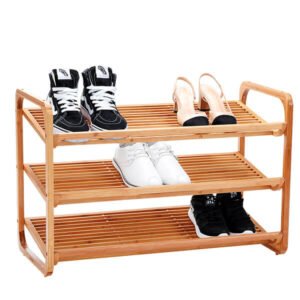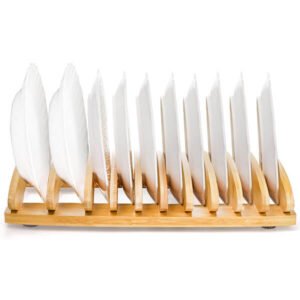

A bamboo shelf can get wet, but it should not remain wet for extended periods. Minor spills or bathroom moisture are acceptable, yet long-term exposure to water will lead to serious damage. Many people worry about swelling, warping, mold growth and discoloration, and these worries are reasonable. Bamboo soaks up moisture more easily than teak, though it has better water resistance than maple. Even well-made bamboo furniture requires basic protective measures.
You can maintain the durability of a bamboo shelf through simple routines. Clean up spills right away, apply a sealant, and keep humidity levels in check. With consistent upkeep, the shelf can withstand everyday use and serve you for years. Trustworthy manufacturers take these practical conditions into account when designing their bamboo products.
Key Takeaways
- Wipe water off your bamboo clothes rack immediately. Spills can cause swelling and warping. Quick cleanup protects your shelf.
- Use a bamboo-safe sealant on all surfaces. Reapply it every year. Sealed bamboo lasts six to seven years in bathrooms.
- Keep indoor relative humidity below 55 percent. Use exhaust fans or dehumidifiers. Dry air prevents mold. It also stops warping.
- Dry a wet shelf in a ventilated spot. Sand rough areas gently. Re-oil and reseal the shelf the same day.
- Bamboo is not waterproof. Good care makes it durable. Protective habits extend its life. A protected shelf lasts many years.
Bamboo Shelf and Water Exposure

How Bamboo Furniture Reacts to Water Exposure
Bamboo is a grass, not a wood. It has a thick mat of fibers instead of rings and pores. This makeup makes bamboo act like a material with very low porosity. Finishes tend to rest on the surface, and they can be hard to bond without the right prep. Even with this low porosity, bamboo is not waterproof. It still takes in moisture when water sits on it or when humidity stays high.
A bamboo shelf in a bathroom or kitchen deals with constant moisture. Direct liquid contact begins absorption within minutes. You may see swelling or warping within hours. This depends on water amount, bamboo density, and finish condition. Humidity and vapor exposure act more slowly. Swelling builds up over days to weeks in damp rooms.
Untreated bamboo furniture in high-humidity bathrooms lasts only 1 to 2 years. Sealed and treated bamboo furniture in the same space can last 6 to 7 years. That is a 250% increase in lifespan. This gap shows that moisture exposure is a main cause of bamboo furniture breakdown.
The National Wood Flooring Association suggests keeping indoor relative humidity between 35% and 55% all year for all bamboo installations. Temperatures should stay within 60°F to 80°F. When humidity rises above 60%, cupping can happen. The edges of planks rise above the center as the underside takes in moisture. In rooms with too much moisture, a bamboo shelf may swell, warp, and finally crack.
Swelling is the size increase from moisture absorption into cell walls. Warping is the shape distortion that results from uneven swelling. Swelling is the mechanism; warping is the outcome. Uniform swelling with enough expansion space does not warp. Warping happens only when swelling is uneven or lateral expansion is blocked.
Signs That Water Damaged Your Bamboo Shelf
Surface cracking and splintering show that moisture has already harmed the bamboo. Splitting often starts as a hairline crack. Repeated wet-dry cycles make the damage worse. Weak edges take in and release moisture faster. Cracks usually mean the bamboo’s environment and construction do not match. Humid exposure creates expansion-contraction stress that opens weak points.
Warping and splintering also point to moisture-related stress from humidity or temperature extremes. As fibers loosen and bamboo turns brittle, surface cracks show up. Bamboo is especially likely to crack when its moisture content falls during drying. Below that level, radial shrinkage takes over. The material keeps shrinking toward a final moisture content. Uneven moisture distribution creates internal tension. Surface layers shrink while inner layers stay wet. This tension weakens bamboo fibers and leads to cracking, warping, and splintering.
Discoloration and mold growth are other warning signs. Ongoing dampness in bathrooms or kitchens leads to mildew and stains. A bamboo shelf exposed to rain or constant mist will darken and soften over time. Joints may weaken. Surfaces may become uneven. These changes point to long-term exposure to rain or water exposure that has gone unchecked.
A manufacturer that understands bamboo furniture outside its dry showroom conditions builds products with these risks in mind. Wholesale suppliers and custom factories that put quality control first can seal and treat bamboo to resist moisture absorption. Buyers should check shelves for early signs of damage. Small cracks and slight swelling are easier to fix than severe warping or mold.
Protect Your Bamboo Shelf From Water Damage
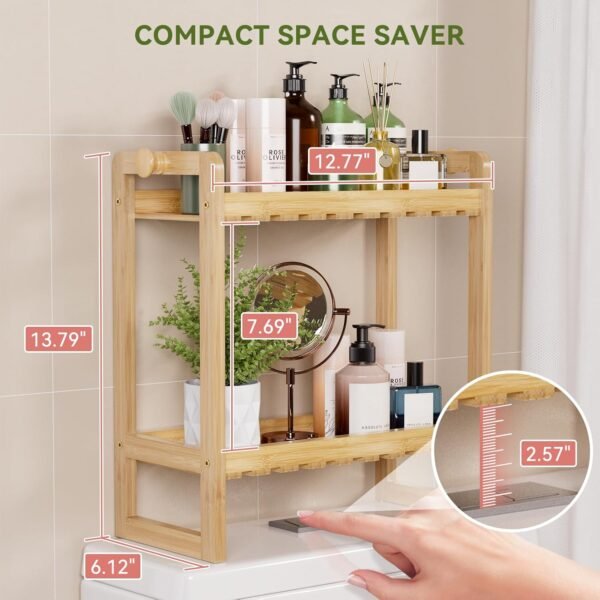
Seal the Bamboo Shelf and Wipe Up Spills
A waterproof sealant forms a barrier that slows moisture absorption. Put a bamboo-safe sealant on all surfaces, including edges and undersides. Reapply yearly in normal conditions. Reseal every 6 to 9 months in hot, sunny, or rainy places. Without sealant, bamboo can warp in a steamy bathroom. Wipe spills immediately with a dry cloth. Do not soak the surface or let liquid pool near joints. Use a slightly damp cloth to clean, then dry right away. Standing water is the biggest threat. Acting fast stops water from reaching the fibers.
For outdoor settings, bamboo furniture left outside needs extra care. Rain or water sprinklers speed up damage. A weatherproof outdoor sealant helps bamboo pieces resist the elements. Even then, bamboo furniture outside should come inside during heavy storms. Avoiding water exposure entirely is not realistic, but minimizing it is.
Yesun Household Co., Limited directly makes eco-friendly bamboo products. It designs shelves with moisture-resistant packaging and quality checks. Because the company sells factory-direct, wholesale buyers can get durable bamboo furniture for humid rooms.
Ways to Minimize Water Exposure
Good airflow helps the shelf dry out between uses. Ventilation matters a lot for bamboo durability. Poor airflow often leads to mold. Run exhaust fans while you shower and after. This lowers humidity and stops water from gathering on bamboo. Open windows every day if the weather allows. In humid bathrooms, bamboo shelves stay usable with good airflow from exhaust fans or windows. You also need to wipe surfaces dry.
Control indoor humidity to protect bamboo products. Keep relative humidity between 40% and 60%. The mold-prevention threshold is below 55%. Use a hygrometer to check the humidity. In dry climates, a humidifier adds moisture. In humid climates, a dehumidifier removes moisture. Dehumidifiers help wood items last longer because they reduce warping or bending from humidity changes. Run one during rainy or humid spells to keep indoor humidity in the recommended range. This range stops bamboo from swelling, warping, or buckling.
Do not place bamboo furniture in basements or damp areas that lack airflow. Store shelves in a well-ventilated place so they can dry fully between uses. Good airflow stops moisture from building up. Humid spaces with poor airflow encourage mold and mildew. A custom supplier or manufacturer can recommend placement and sealing for your climate. These habits limit water exposure and help any bamboo shelf last longer.
Repair a Wet Bamboo Shelf
Dry and Sand the Bamboo Furniture
A wet bamboo shelf needs quick action. First, pat the surface with a clean cloth to remove standing water. Then use a dry fabric to remove any dampness left behind. Do not let the bamboo stay wet for a long time. Moisture that lingers causes warping, mold, or mildew. Let the shelf finish air-drying in a place with good airflow. Keep it away from direct sunlight. Too much heat causes cracking. Place the shelf upright or on a rack. This position lets air move around all sides. Avoid stacking wet boards or laying them flat for long periods. Trapped moisture leads to damage or microbial growth. Never put bamboo furniture in a dishwasher. The heat and water will ruin it.
To reduce warping, let the bamboo dry on its edge so air can move on both sides.
After drying, check the surface for rough or swollen areas. Use fine-grit sandpaper to gently smooth problem spots. Always work with the grain. Sand lightly and avoid heavy pressure. Bamboo’s outer layer is hard but thin. Rough sanding wears through it quickly. A manufacturer with proper quality control uses automated sanding for consistent results. For small repairs, hand-sanding with fine-grit paper restores a smooth surface before oiling.
Re-Oil, Re-Seal, and Maintain the Surface
Re-oiling and re-sealing bring back water resistance after sanding. Apply a bamboo-safe oil to feed the fibers. Then apply a fresh layer of sealant. Seal the shelf on the same day you sand it. This step keeps moisture from entering exposed bamboo. Let the seal dry all the way before putting items back on the shelf. Resealing bamboo furniture from time to time keeps its water resistance. Regular sealing adds a protective layer against accidental moisture exposure. Even though bamboo is not fully waterproof, consistent sealing greatly increases its resistance to water.
Severe warping or mold may mean you need to replace it. Fix small problems early. A minor crack or slight swelling is easier to repair than extensive damage. Wholesale suppliers and custom factories can advise on repair versus replacement. A reliable supplier builds bamboo furniture with moisture-resistant design in mind. With proper maintenance, a bamboo shelf handles daily life and lasts for many years.
A bamboo shelf can get wet. But it should not soak or stay damp for long. Quick cleanup, a protective sealant, and humidity control keep bamboo furniture safe. These habits matter more than any single product feature.
Good care and upkeep protect the shelf from water damage over time. A manufacturer or supplier can help you pick sealants for humid rooms. With steady attention, bamboo handles daily life well. It can last for many years.
FAQ
Can a bamboo shelf go in a bathroom?
Yes, if you protect it. Sealed bamboo in a damp bathroom lasts 6 to 7 years. Untreated bamboo lasts only 1 to 2 years. A manufacturer can pre-seal shelves to resist moisture. Run an exhaust fan and wipe the surface dry after showers.
Is bamboo furniture waterproof?
No. Bamboo soaks up moisture and is not naturally waterproof. A bamboo-safe sealant slows absorption but does not stop it fully. Reapply sealant every year, or every 6 to 9 months in hot or rainy climates.
How long can a bamboo shelf stay wet?
Wipe spills within minutes. Do not let water pool near joints or edges. Absorption starts quickly, and swelling can show up within hours. A wholesale supplier or custom factory can suggest sealants that extend drying time and protect the surface.
How do you stop mold on a bamboo shelf?
Keep relative humidity below 55%. The National Wood Flooring Association recommends 35% to 55% indoor humidity all year. Use a dehumidifier during humid spells. Good airflow helps the shelf dry between uses. Wipe surfaces dry and reseal after sanding.