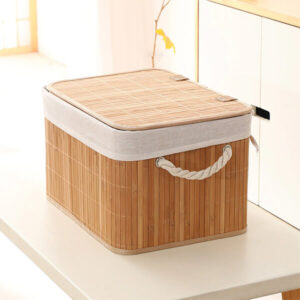
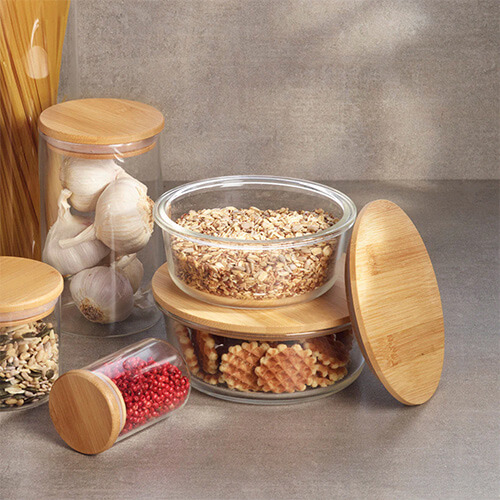
Yes, bamboo storage containers can develop mold if not properly cared for, due to the natural porous structure of bamboo fiber. Unlike non-porous materials such as glass, ceramic or plastic, bamboo absorbs moisture easily, and its natural trace sugars and starches can feed mold spores when exposed to consistent dampness. With proper daily care and quality manufacturing, however, mold is fully preventable for normal household use.
Key Takeaways
- Bamboo’s natural porosity makes it more vulnerable to mold than non-porous materials, but proper care can fully prevent growth in everyday use.
- Excess moisture, food residue and poor ventilation are the top three causes of mold on bamboo storageware.
- Regular hand washing with mild soap and thorough air drying are the simplest and most effective ways to keep bamboo containers mold-free.
- Bamboo lids are the most prone to mold buildup, as they trap condensation and come into frequent contact with moist air.
- High-quality bamboo containers with food-grade protective finishes, like those from YESUN, have significantly lower mold risk than untreated alternatives.
Why Bamboo Storage Containers Can Develop Mold
Natural Porous Fiber Structure
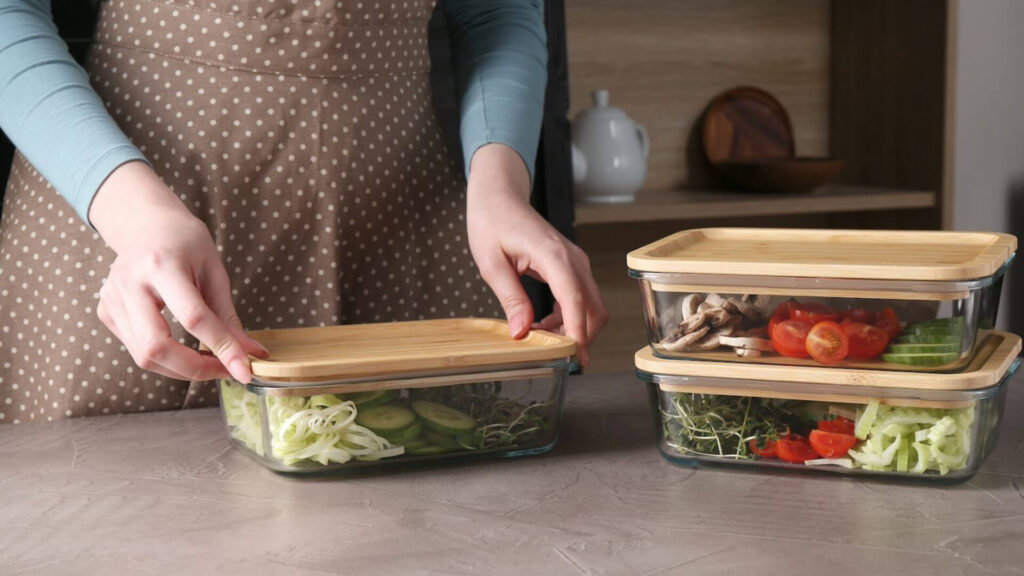
Bamboo is made of fibrous plant tissue with microscopic pores that absorb moisture from the air and food contact. When moisture stays trapped in the fiber for extended periods, naturally occurring mold spores can take root. Bamboo also contains small amounts of residual sugars and starches, which act as a food source for fungi in damp conditions.
Note that bamboo does have mild natural antimicrobial properties from compounds like bamboo kun, which slow bacteria growth, but these are not strong enough to prevent mold entirely in consistently humid environments.
Why Bamboo Lids Are More Vulnerable
Bamboo jar lids have a higher mold risk than container bodies, for two main reasons:
- Condensation builds up on the underside of lids from warm or moist food, creating a consistently damp surface.
- Frequent opening and closing exposes lid edges to moist air, and tight fitting grooves can trap small water droplets that are easy to miss during cleaning.
Common Causes of Mold Growth
Four main factors contribute to mold on bamboo food storage containers:
| Risk Factor | How It Triggers Mold |
|---|---|
| Persistent moisture | Incomplete drying after washing, high ambient humidity, or storing wet food creates the damp environment mold needs to grow. |
| Trapped food residue | Small food particles left on surfaces or in seams feed mold spores and speed up growth. |
| Poor air circulation | Storing containers in closed cabinets, stacked tightly, or in unventilated spaces traps humidity against the bamboo. |
| Improper use | Storing wet, oily or highly moist food in bamboo containers exposes the fiber to constant moisture. |
How to Prevent Mold on Bamboo Containers
Follow Correct Cleaning & Drying Practices
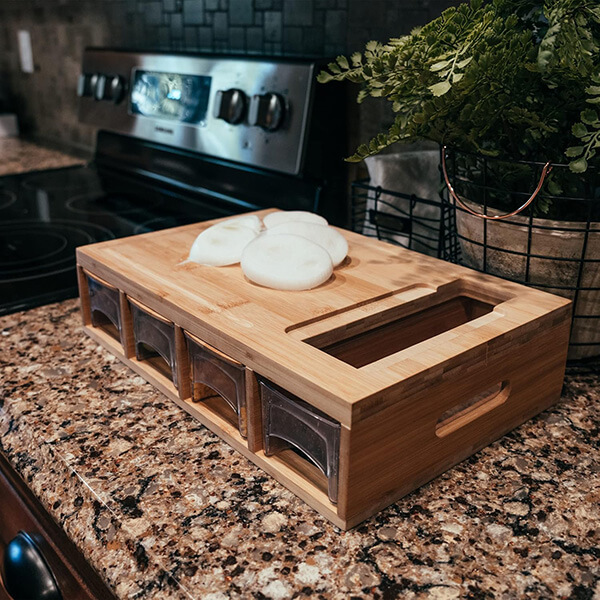
- Always hand wash bamboo containers with mild dish soap and warm water. Never put them in the dishwasher — high heat and prolonged water exposure will damage the fiber and accelerate moisture absorption.
- Wipe both the inside and outside thoroughly with a dry cloth immediately after washing, then leave them open to air dry completely in a well-ventilated spot before storing. For lids, pay extra attention to grooves and gasket edges.
- Wipe away food spills and residue right after use, rather than letting them dry on the surface.
Store Properly for Long-Term Use
- Keep bamboo containers in a cool, dry, well-ventilated area. Avoid storing them in damp under-sink cabinets or near steam sources like stovetops and kettles.
- Do not stack containers tightly when putting them away; leave small gaps for air flow. For lids, rest them loosely on top rather than sealing fully during long-term storage.
- Only use bamboo storage containers for dry foods such as rice, pasta, nuts, spices and snacks. Avoid storing wet, saucy or oily foods directly in bamboo to limit moisture exposure.
- For households in very humid climates, keep a small silica gel packet inside storage cabinets to absorb excess ambient moisture.
Maintain with Regular Conditioning
Every 2–3 months, apply a thin coat of food-grade mineral oil or tung oil to clean, dry bamboo surfaces. The oil seals the porous fiber, reduces moisture absorption and helps the bamboo retain its smooth finish. This step is especially helpful for containers used in humid environments.
What to Do If Mold Appears
Safe Cleaning for Surface Mold
If you spot light, surface-level mold discoloration, address it immediately:
- Empty all food and wash the container thoroughly with warm soapy water to remove surface mold.
- Wipe the affected area with a cloth dipped in diluted white vinegar (1 part vinegar to 3 parts water), which kills mold spores without harsh chemicals. For stubborn stains, make a paste of baking soda and lemon juice and gently scrub only the discolored spot.
- Rinse well, pat dry, and leave the container to air dry completely in sunlight — natural UV light helps kill remaining mold spores and removes musty odors.
When to Replace a Container or Lid
Do not continue using a bamboo container for food storage if:
- Mold has penetrated deep into the bamboo fiber, leaving permanent dark discoloration even after cleaning.
- A persistent musty odor remains even after thorough washing and drying.
- The surface feels consistently damp or shows signs of cracking and fiber breakdown.
Deeply embedded mold cannot be fully removed from porous bamboo, and poses a food safety risk. Replacing affected lids or containers is the safest choice.
Conclusion
Bamboo storage containers do carry a natural risk of mold due to their porous plant fiber structure, but this risk is easily managed with simple, consistent cleaning and storage habits. For most households, a quality bamboo container will stay mold-free and functional for years with basic care.
YESUN food-grade bamboo storage containers are engineered to lower mold risk from the production stage, with degreased fiber, protective finishes and gasket-sealed lids. Combined with proper daily care, they offer a durable, eco-friendly and food-safe storage solution for dry kitchen goods.
FAQ
Can bamboo storage containers go in the dishwasher?
No. The high heat, prolonged water immersion and strong detergents in dishwashers will damage bamboo fiber, break down protective finishes and greatly increase the risk of mold and warping. Always hand wash bamboo containers gently.
How often should I oil my bamboo storage containers?
For normal household use, conditioning with food-grade mineral oil or tung oil every 2–3 months is sufficient. In very humid climates, you can increase this to every 1–2 months for extra moisture protection.
What should I do if a bamboo lid smells musty?
First, wash the lid thoroughly with soapy water, then wipe it down with diluted white vinegar. Leave it to air dry completely in direct sunlight for several hours. If the musty odor returns after use, mold has likely grown deep into the fiber and the lid should be replaced.
Are YESUN bamboo containers safe for all types of food?
YESUN bamboo containers are food-safe and ideal for dry goods like grains, pasta, nuts, spices and snacks. We do not recommend storing wet, saucy, oily or highly moist foods directly in bamboo, as this will greatly shorten the product’s lifespan and increase mold risk.
Can bamboo storage containers be used in the refrigerator?
They can be used for short-term refrigeration of dry foods, but extended fridge use is not recommended. The consistently high humidity inside refrigerators speeds up moisture absorption into bamboo and raises mold risk. Always make sure containers are fully dry before placing them in the fridge, and take them out to air dry after use.