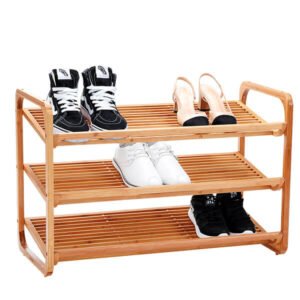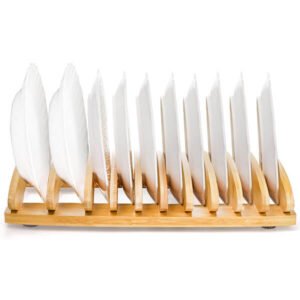

Bamboo shelves boast great strength if crafted properly and not loaded beyond their weight limit. Though bamboo is technically a type of grass rather than wood, its structural strength can be surprisingly impressive. Low-quality imported products may give people a false impression, but well-made bamboo shelving performs reliably. Bamboo fiber bundles have an average stiffness of around 25 GPa, while the fiber cell walls achieve roughly 28 GPa. These figures demonstrate its substantial structural strength.
Strength varies across different bamboo species. For instance, Bambusa pervariabilis has a compressive stiffness of 10.3 GPa, and Phyllostachys pubescens reaches 9.4 GPa. Bamboo shelves are a trustworthy option for household use and can serve you for a long time with appropriate maintenance.
Key Takeaways
- Bamboo shelves are sturdy and durable; when well-made, they can support heavy loads.
- Bamboo is harder than oak or maple and is extremely durable.
- Most bamboo shelves can support between 22 and 33 pounds per shelf, so be sure to check the weight limit.
- Mount the shelves to wall studs and distribute the weight evenly for maximum strength.
- With proper care, bamboo shelves can last for many years.
Why bamboo shelves are strong
Tensile Strength and Density
Tensile strength indicates the amount of tensile force a material can withstand before fracturing. Bamboo performs exceptionally well in this regard; the tensile strength of certain species can reach as high as 370 MPa. This figure is comparable to that of mild steel (typically ranging from 250 to 500 MPa), providing bamboo shelving with a robust foundation for supporting books and decorative items.
Density is equally critical. Bamboo plywood typically has a density between 690 and 700 kg/m³, whereas the Chusquea quila species has a density closer to 300 kg/m³. Higher density translates to greater load-bearing capacity. There is a positive linear correlation between density and flexural strength, with R² values ranging from 0.67 to 0.78; high-density bamboo shelves are less prone to sagging or deformation under load.
Hardness characteristics follow a similar pattern. Bamboo is approximately 3.63 times harder than Eastern white pine, making it an ideal, durable material for shelves designed to withstand daily use.
Lignin and Natural Fibers
Lignin acts as a natural binder within bamboo. Bamboo culms contain approximately 20% to 25% lignin, which fills the voids between fibers and binds them tightly together. Lignin content varies by species: 20.78% for *N. affinis*, 23.78% for *D. brandisii*, and as high as 32.57% for *B. lapidea*.
Vascular bundles serve as the internal load-bearing units of bamboo. The area proportion of vascular bundles shows a strong positive linear correlation with flexural strength, with an R² value exceeding 0.9; tensile strength follows the same trend. The vascular bundles within bamboo exhibit a gradient distribution: they are densely packed near the outer layer (the green skin) and become progressively sparser toward the inner layer (the yellow inner wall). This structural design is precisely adapted to local mechanical requirements.
Processing bamboo into solid bamboo plywood can further enhance its strength. The manufacturing process involves crushing and rebonding the fibers under pressure, thereby imparting multidirectional strength not found in raw, natural bamboo. High-quality bamboo shelving derives its superior toughness and strength from this engineered optimization. The table below compares bamboo with a common softwood in terms of the modulus of rupture (a measure of flexural strength).
This difference explains why bamboo shelves of comparable dimensions are stronger and more durable than pine shelves. The natural strength of bamboo stems from its fiber structure, lignin content, and density; it is the combination of these properties that gives bamboo shelving the strength required to handle the storage of everyday items.
Bamboo shelves vs. wood and metal

Bamboo vs. pine and oak
The Janka test checks how well a material stands up to dents and wear. Strand woven bamboo scores 3,800 lbf. Hard maple scores 1,450 lbf. Red oak scores 1,290 lbf, and white oak scores 1,360 lbf. These numbers show that strand woven bamboo is about 2.6 times harder than hard maple. It is roughly 2.8 to 2.9 times harder than red or white oak.
The natural version scores 1,380 lbf, close to white oak and slightly harder than red oak. Eastern white pine scores only 380 lbf. The natural version is 3.63 times harder than eastern white pine.
Tension tests also favor the material. Bamboo reaches 28,000 to 60,000 psi. Oak and maple reach 10,000 to 20,000 psi.
This mix gives bamboo shelves a strong yet lightweight quality. Homeowners gain high stiffness without heavy wood weight. That advantage makes bamboo shelving an excellent choice for bookshelves. Books, photo frames, and ceramic decor sit safely on these panels.
Are bamboo shelves durable against metal?
Steel beats the material in raw force. Yet these shelves handle normal household loads without bending. A well-made shelf holds a full load of books without visible bending. When a shopper asks, “are bamboo shelves durable,” the Janka and tensile data answer clearly. Homeowners should still check weight ratings from the manufacturer. Overloading any shelf causes sagging.
The durable performance of these shelves comes from strand-woven fibers and strong adhesives. Steel resists more force, but the material offers a balance of stability, durability, and eco-friendliness. Metal racks dent, rust, and feel cold. The shelves resist moisture, stay warm, and come from renewable sources. Properly finished, they last for years. These shelves provide enough ruggedness without metal’s downsides.
What affects bamboo shelf strength
Strand-woven vs. natural bamboo
Strand-woven bamboo is much harder than natural bamboo. Manufacturers crush bamboo fibers and bond them with adhesive under high pressure. This process creates a harder board than plain natural bamboo. The table below shows the difference.
| Metric | Strand-woven bamboo | Solid bamboo |
|---|---|---|
| Janka hardness | 3,800 | 1,380 |
| Wear resistance | Withstands heavy use | More prone to denting |
Mid-range strand-woven bamboo is about 2.6 times harder than hard maple and 2.8 to 2.9 times harder than red or white oak. Natural bamboo panels are softer. A bamboo shelf made from strand-woven material handles books and heavy decor without sagging.
Structure, Thickness, and Joinery
The stability of a shelving unit depends on its structure and materials, with panel thickness playing a pivotal role. High-quality bamboo shelving typically utilizes panels between 18 and 25 mm thick; panels thinner than 15 mm are prone to deformation under load. Moisture content is another critical factor: properly dried bamboo maintains a moisture level of 8% to 12%, effectively preventing warping and ensuring structural stability.
Joinery techniques directly influence load-bearing capacity. Superior joint design enhances stability, ensuring the shelving can safely support weight.
A high-quality manufacturer is the key to ensuring sturdy, durable bamboo shelving. Such factories implement rigorous quality control to guarantee the strength and reliability of all joints. Their custom bamboo products cater to B2B partners seeking durable, well-crafted shelving solutions. Bamboo floor-standing shelves from a quality manufacturer should offer long-lasting durability while remaining stable and safe over time.
Stability and durability of bamboo bookshelves
Typical weight limits for bamboo shelves
Weight limits vary by model and construction. Some reinforced designs handle heavier loads than pure bamboo models. These ratings offer buyers a clear starting point. A manufacturer decides these limits based on testing and material quality. Buyers should always check the weight rating before buying. Bulk orders can get detailed specifications from a wholesale supplier.
Longer shelves require extra attention. Weight capacity falls when the span grows. A longer shelf will bend more than a shorter one under the same load. Put heavy loads near the brackets or supports, not in the middle. This easy habit makes the shelf safer and last longer.
In structural uses, engineered bamboo beams can support heavy loads per linear foot, especially thick, well-built beams. Normal home shelves hold much less. The stability and durability of bamboo bookshelves come from matching the load to the rating.
Tips to maximize strength and durability
Good installation makes a big difference. Wall studs are the strongest anchor points. A stud finder can locate them easily. In wood studs, drill pilot holes slightly smaller than the screw shank. A properly sized lag screw anchored in a wood stud holds a significant vertical load. For long shelves, drive screws into several wall studs. That action spreads weight and stops sagging.
Weight distribution also matters. Place heavy items directly over the fastener points. A cleat or rail across several studs sends weight into the wall structure. This method works well when heavy loads go beyond standard bracket capacity.
Controlling moisture helps bamboo last longer. When finished well, bamboo is durable in humid spaces. After bathroom use, wipe surfaces dry. Use exhaust fans while showering. Keep storage units out of direct water spray. Clean monthly with mild soap and water, then dry well. Reapply a protective finish each year for moisture resistance. These actions help extend product lifespan.
As a natural material, bamboo is strong enough for everyday storage. Quality bamboo can stay durable indoors for many years with good ventilation. Routine care stops mold and warping. A trusted maker offers well-finished bamboo products for kitchens, bathrooms, and pantries. Their quality checks support long-term performance.
People who wonder “are bamboo shelves durable” can trust the facts. When built well and cared for, bamboo shelving has excellent resilience. The lifespan of the shelves depends on smart habits and quality construction. With proper care, bamboo shelves give reliable support for years.
Bamboo shelves are strong and dependable for most home storage. They work well when built properly and not pushed past their limits. Bamboo’s natural tensile strength is close to that of steel. Its hardness is about 3.63 times greater than that of eastern white pine. Strand-woven construction and thicker boards make a big difference. Weight capacity varies by model, so always stick to the manufacturer’s weight guidelines.
You can pick bamboo shelves without giving up strength. With a few smart habits, they will last for years. Spread weight evenly and install into wall studs when you can. These simple steps keep your shelves steady and secure.
FAQ
How much weight can bamboo shelves hold?
Most bamboo shelves have weight limits that vary by model and construction. Pure bamboo models typically handle lighter loads than reinforced designs. Longer shelves hold less weight than shorter ones. Always check the manufacturer’s rating before loading a shelf with heavy items.
Do bamboo shelves warp or bend over time?
Properly made bamboo shelves resist warping when kept dry. Bamboo holds 8 to 12 percent moisture after correct drying. This range prevents structural problems. High humidity can cause issues without good ventilation. Wipe surfaces dry after bathroom use and use exhaust fans while showering.
Are bamboo shelves as strong as wooden shelves?
Strand-woven bamboo rates 3,800 lbf on the Janka hardness test. Red oak scores 1,290 lbf. White oak scores 1,360 lbf. Bamboo also reaches 28,000 to 60,000 psi in tensile strength. Oak and maple reach only 10,000 to 20,000 psi. These numbers show bamboo matches or beats common hardwoods.
What makes some bamboo shelves stronger than others?
Strand-woven construction creates a much harder board. Natural bamboo panels are softer. Board thickness also matters. Premium shelves use 18 to 25 mm boards. Thin boards below 15 mm flex under load. Strong joinery methods add stability.