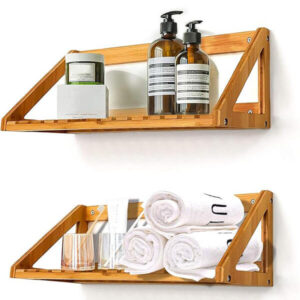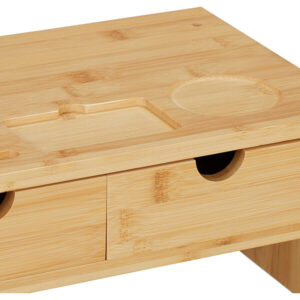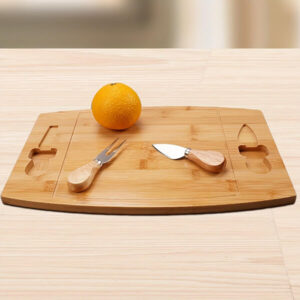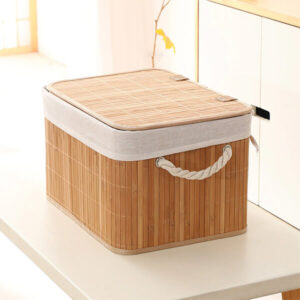
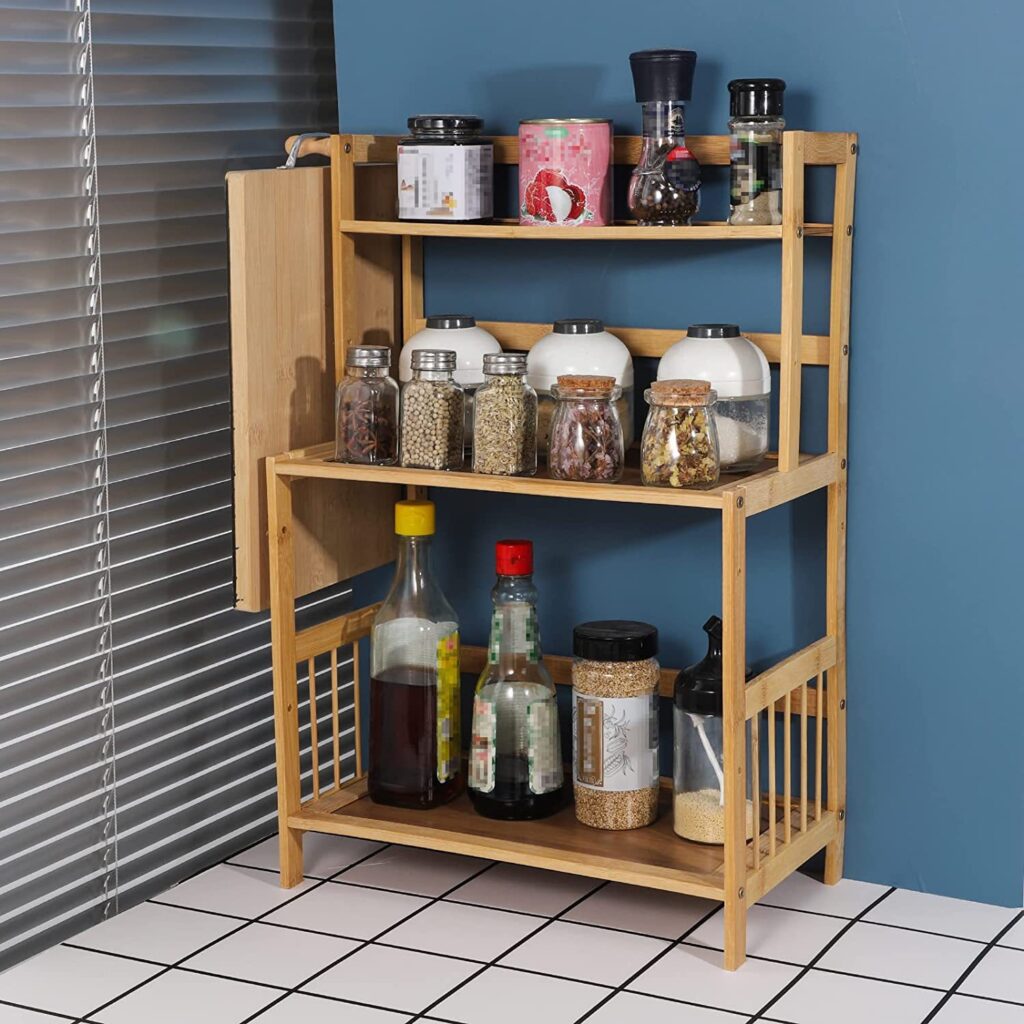
The answer is yes—but only to a limited extent. Bamboo is naturally more moisture-resistant than most hardwoods, but it is not waterproof. Prolonged exposure to water can lead to swelling, warping, or even mold over time.
With proper sealing and regular care, bamboo shelves can still perform well in areas like kitchens and bathrooms. Understanding how bamboo reacts to moisture—and how to protect it—can help you keep your shelves durable, stable, and looking good for years.
Key Takeaways
- Bamboo can handle occasional spills, but standing water will cause swelling, warping, and mold
- Treated bamboo absorbs 75% less water than untreated bamboo, making it ideal for humid spaces
- Reseal bamboo shelves every 6–12 months to maintain water resistance
- Keep shelves away from direct water sources and ensure good airflow around them
- If bamboo gets wet, dry it immediately with a soft cloth and let it air dry completely
How Bamboo Responds to Water and Moisture
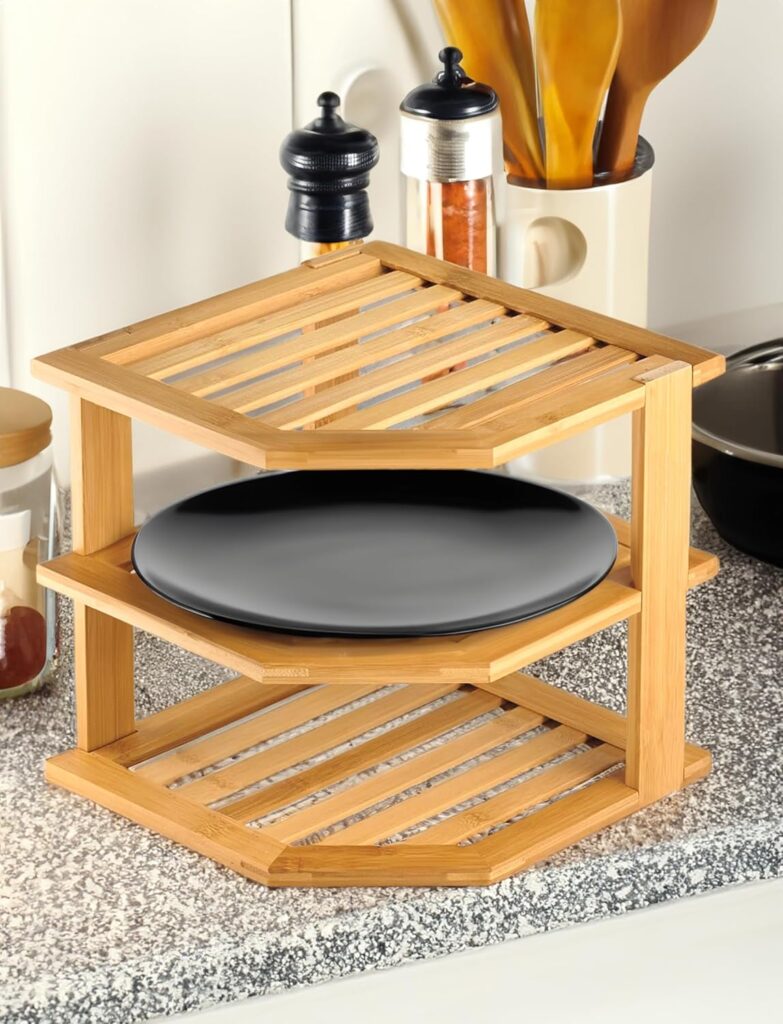
Natural Properties of Bamboo
Bamboo has unique structural features that give it natural moisture resistance:
- A thin outer silica layer that repels water
- A honeycomb internal structure that allows air circulation and regulates humidity
- Natural antimicrobial properties that inhibit bacteria and mold growth
While these features make bamboo perform better than pine, oak, or maple in humid environments, it is not completely waterproof. The protective silica layer will wear down over time with repeated water exposure.
Treated vs. Untreated Bamboo
Modern treatment processes can significantly improve bamboo’s resistance to moisture. Methods such as heat treatment, carbonization, and protective coatings help reduce water absorption and enhance overall durability.
| Material | Water Absorption Rate | Best For |
|---|---|---|
| Untreated Bamboo | 15–20% | Dry indoor areas only |
| Treated Bamboo | 5–10% | General indoor use |
| Sealed or Coated Bamboo | <5% | Kitchens, bathrooms, and humid environments |
Properly treated and sealed bamboo shelves are much better suited for environments with occasional moisture. Protective finishes—such as water-resistant coatings or sealants—create a barrier that helps prevent water from penetrating the material, reducing the risk of swelling, warping, and mold over time.
What Happens When Bamboo Shelves Get Wet
Warping and Swelling
This is the most common issue. When water sits on bamboo, the fibers on the wet side expand while the dry side remains the same size. This uneven expansion causes the shelf to bend or warp. You may notice:
- Uneven surfaces that no longer hold items flat
- Shelves that no longer fit properly in their frame
- A rough or bumpy texture on the surface
Mold and Mildew
While bamboo furniture has natural antimicrobial properties, prolonged moisture will eventually lead to mold growth. Signs of mold include:
- Black, green, or white spots on the surface
- A musty or earthy smell
- A sticky or slimy texture
Mold not only looks unsightly but can also weaken the bamboo over time and cause health issues.
Surface Damage
Water will gradually break down the protective sealant on bamboo shelves. This leads to:
- Loss of shine and dull appearance
- Scratches and splinters
- Increased water absorption as the bare bamboo is exposed
Once the sealant is compromised, damage will happen much faster with future water exposure.
How to Protect Bamboo Shelves from Water Damage
Apply a Protective Sealant
Sealant is the most important protection against water damage. It creates a waterproof barrier that prevents water from soaking into the bamboo.
Recommended sealants:
- Water-based polyurethane: Durable, clear, and easy to apply
- Tung oil: Natural option that enhances bamboo’s natural grain
- Marine-grade epoxy: Maximum protection for high-moisture areas
Pro Tip: Apply 2–3 thin coats of sealant before using your shelves. Reseal every 6–12 months, or whenever water no longer beads up on the surface.
Smart Placement
Where you place your bamboo shelves has a major impact on their durability and resistance to moisture. Consider the following guidelines:
- Install shelves in well-ventilated areas with good air circulation
- Use them in kitchens and bathrooms, but keep them away from direct water exposure
- Avoid placing them under dripping faucets, near showerheads, or in areas prone to frequent splashing
- Do not position them next to radiators or air conditioners, as rapid temperature and humidity changes can cause warping
Regular Maintenance
Regular maintenance plays a key role in keeping bamboo shelves in good condition. Spills should be wiped up immediately with a soft, dry cloth to prevent moisture from soaking into the surface. Dusting weekly with a microfiber cloth helps remove dirt that can trap moisture over time. It’s also important to inspect the shelves monthly for any signs of water damage or wear, and to tighten loose screws or joints every six months to maintain stability and structural integrity.
What to Do If Bamboo Shelves Get Wet
Steps to Take Immediately if Bamboo Shelves Get Wet
Follow these steps immediately to minimize damage:
- Move to a dry area: Take the shelf out of the humid environment if possible
- Wipe off excess water: Use a soft, absorbent towel to blot up all standing water
- Air dry completely: Place in a well-ventilated area away from direct sunlight or heat sources
- Inspect for damage: Check for warping, mold, or surface damage once completely dry
- Re-seal if needed: If the sealant has worn off, apply a fresh coat before using again
Important: Never use a hair dryer, heater, or direct sunlight to dry bamboo. Rapid drying will cause cracking and splitting.
Cleaning Wet Bamboo Shelves
For dirty or moldy bamboo racks:
- Mix a solution of 1 teaspoon mild dish soap, 1 tablespoon white vinegar, and 2 cups warm water
- Dampen a soft cloth with the solution and wring it out completely
- Wipe gently along the grain of the bamboo
- Rinse with a clean, slightly damp cloth
- Dry immediately with a towel and let air dry completely
Conclusion
Bamboo shelves can get wet occasionally, but they require proper protection and maintenance to prevent damage. Treated bamboo with a good sealant can safely be used in kitchens and bathrooms, as long as spills are wiped up quickly and the shelves are resealed regularly.
YESUN’s bamboo shelves are engineered to withstand daily moisture exposure, making them the perfect choice for humid areas of your home. By following the care tips in this guide, you can enjoy beautiful, durable bamboo shelves for many years to come.
FAQ
Can bamboo shelves be used in bathrooms?
Yes, bamboo shelves work well in bathrooms. They are more moisture-resistant than most woods. For best results, use treated bamboo, apply a waterproof sealant, and keep shelves away from direct water sources like showers and sinks.
How often should I reseal bamboo shelves?
Reseal bamboo shelves every 6–12 months. You’ll know it’s time to reseal when water no longer beads up on the surface.
What should I do if bamboo shelves smell musty?
A musty smell indicates mold or mildew. Clean the shelves with a solution of equal parts white vinegar and water. Scrub gently with a soft brush, then dry completely in a well-ventilated area. If the smell persists, sand the surface lightly and apply a fresh coat of sealant.
Are YESUN bamboo shelves safe for kitchens?
Yes. YESUN bamboo shelves are made with food-safe finishes and are perfect for kitchen storage. They can handle everyday moisture from spills and humidity, making them ideal for storing dishes, utensils, and pantry items.
Can I put plants on bamboo shelves?
Yes, but always use a waterproof saucer under plant pots to catch excess water. Check regularly for leaks and wipe up any spills immediately.