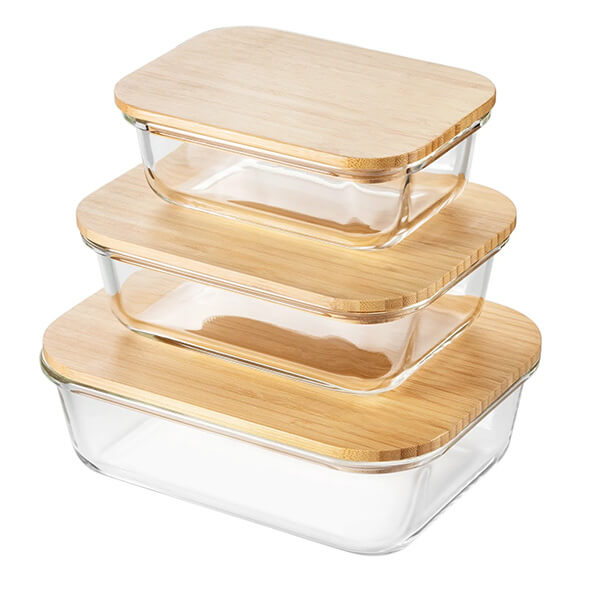
The short answer is: Most standard bamboo food containers cannot be safely microwaved. High heat damages natural bamboo fibers and can cause warping, cracking, and harmful chemical leaching from adhesives or coatings. Only specially designed bamboo products with an official microwave-safe label should be used for heating, and even then, follow manufacturer instructions strictly.
Microwave safety is a top priority for 57% of food container buyers in Japan, and for good reason: improper heating can compromise both your health and the longevity of your containers. YESUN’s bamboo food containers are an eco-friendly alternative to plastic, designed specifically for safe food storage and serving—not microwave heating.
Key Takeaways
- Most standard bamboo containers are not microwave-safe: High heat damages fibers and can cause warping, cracking, or chemical leaching
- Always check for an official “microwave-safe” label before heating any container; unlabeled products should only be used for storage or serving
- Avoid microwaving oily or sugary foods in bamboo containers, as they reach higher temperatures and increase leaching risk
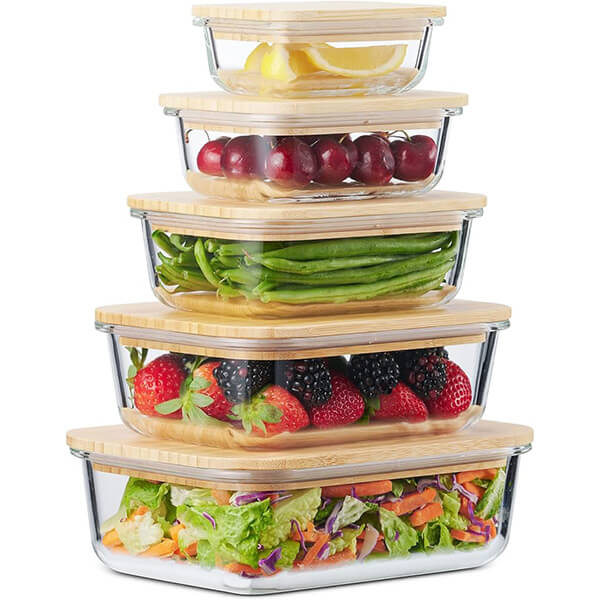
- Bamboo containers excel at storing cold foods like salads, fruits, and dry goods, keeping them fresh without heat exposure
- For regular microwave use, opt for glass or ceramic containers, which are non-porous and chemical-free
Bamboo Food Containers: Material Breakdown
Natural Bamboo Fiber Properties
Bamboo food containers are made from compressed natural bamboo fibers, which give them their signature strength, smooth texture, and eco-friendly credentials. Bamboo grows 3x faster than most trees, requires no pesticides, and sequesters carbon dioxide from the atmosphere.
However, natural bamboo contains 8–12% moisture by weight. When microwaved, this moisture turns to steam instantly, expanding rapidly inside the fiber structure. This causes the bamboo to crack, warp, or split. Over time, repeated heating weakens the fibers permanently, making the container brittle and prone to breaking.
Hidden Risks: Adhesives, Resins and Finishes
All bamboo containers use food-safe adhesives to hold compressed fibers together and protective finishes to resist stains and moisture. While these materials are safe for cold and warm food storage, they are not designed to withstand microwave temperatures.
High heat can break down these adhesives and finishes, causing them to leach into your food. Some lower-quality bamboo products may also contain melamine resin, which releases formaldehyde when heated above 158°F (70°C)—a known carcinogen.
Tip: Use bamboo containers exclusively for storing and serving food. This preserves their structural integrity and keeps your food safe from chemical exposure.
What Happens If You Microwave Non-Safe Bamboo Containers?
Potential Safety Hazards
The biggest risk of microwaving non-safe bamboo containers is chemical leaching. Heat breaks down adhesives, resins, and finishes, allowing harmful substances to transfer into your food. This is especially dangerous with oily or acidic foods, which accelerate the leaching process.
In rare cases, extremely dry bamboo containers can catch fire if left in the microwave for too long. The intense heat can ignite the dry fibers, posing a serious fire hazard. All major bamboo container brands—including Bamboozle, Ekobo, and YESUN—explicitly advise against microwaving their standard products for this reason.
Damage to Containers and Food Quality
Even if no chemical leaching occurs, microwaving will permanently damage your bamboo container:
- The container will warp or bend, making lids unusable
- Cracks will form, creating breeding grounds for bacteria
- The surface will become rough and discolored
- The container will lose its natural antimicrobial properties
Your food can also be affected: it may develop an off taste or smell from degraded materials, and dry bamboo will no longer keep food fresh as effectively.
How to Identify Microwave-Safe Bamboo Products
Check for Official Microwave-Safe Labels
The only way to confirm a bamboo container is safe for microwave use is to look for the official microwave-safe symbol (three wavy lines) or explicit “microwave-safe” text on the bottom of the container.
No label means no microwave use—even if the container looks sturdy or you’ve used similar products before. Manufacturers test their products extensively, and their guidelines are the only reliable source of safety information.
Important: YESUN’s bamboo food containers are not designed for microwave or oven use. They are engineered for optimal food storage and serving, and heating them will void the warranty and damage the product.
What to Avoid in Bamboo Containers
Steer clear of bamboo containers with these features, as they are never safe for microwave use:
| Material/Feature | Reason for Avoidance |
|---|---|
| Wax coatings | Will melt and leach into food when heated |
| Metallic decorations | Can cause sparks and fire in the microwave |
| Palm leaf laminates | Will warp and break down at high temperatures |
| Unlabeled no-name products | Often use low-quality adhesives that leach chemicals |
Best Practices for Using Bamboo Containers
To get the most out of your bamboo containers and keep them safe:
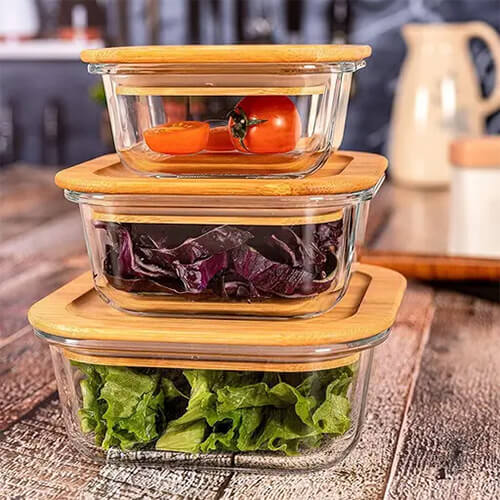
- Use them only for cold or room-temperature food storage and serving
- Avoid storing boiling hot food (above 140°F / 60°C) for extended periods
- Wash them on the top rack of the dishwasher or by hand with mild soap
- Dry them immediately after washing to prevent mold growth
- Oil them occasionally with food-grade mineral oil to maintain their finish
They are ideal for pantry bamboo kitchen organization, storing dry goods, fruits, salads, and snacks. For microwave heating, always transfer food to a glass or ceramic container.
Conclusion
Most standard bamboo food containers are not safe for microwave use. High heat damages natural bamboo fibers and can cause harmful chemical leaching from adhesives and finishes. Only products explicitly labeled “microwave-safe” should be used for heating, and even then, follow all manufacturer instructions.
YESUN’s bamboo food containers are an excellent eco-friendly alternative to plastic food containers. They are durable, non-toxic, and help reduce plastic waste while keeping your food fresh. By using them as intended and following simple safety guidelines, you can enjoy the benefits of bamboo without compromising your health.
FAQ
Can any bamboo containers be microwaved?
Only bamboo containers specifically labeled “microwave-safe” can be used. These products use heat-resistant adhesives and finishes that have been tested to withstand microwave temperatures. Never microwave unlabeled bamboo containers.
Can YESUN bamboo containers go in the dishwasher?
Yes, YESUN bamboo containers are dishwasher-safe. For best results, place them on the top rack and avoid using harsh detergents. This will help preserve their finish and extend their lifespan.
Are bamboo containers safe for storing hot food?
Bamboo containers can safely hold warm food (up to 140°F / 60°C) for short periods. They should not be used to store boiling hot food or liquids, as this can damage the bamboo and cause warping.
How should I clean bamboo containers?
Wash bamboo containers with mild soap and warm water, either by hand or on the top rack of the dishwasher. Dry them immediately after washing with a clean towel to prevent mold growth.
Do bamboo containers keep food fresh?
Yes, YESUN bamboo containers feature airtight seals that lock out air and moisture, keeping food fresh longer than many plastic containers. They are ideal for storing dry goods, fruits, salads, and snacks.
What is the best material for microwave-safe food containers?
Glass and ceramic are the safest materials for microwave use. They are non-porous, chemical-free, and do not leach any substances into food when heated.