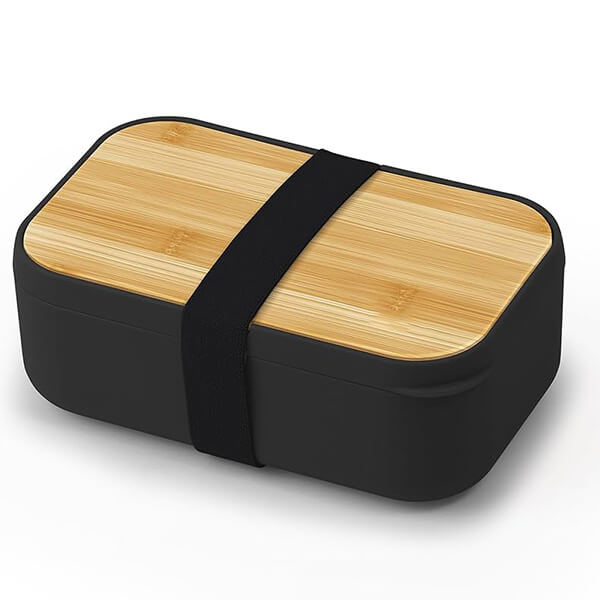
Yes, high-quality solid bamboo lunch boxes are safe for food storage. However, bamboo fiber composite lunch boxes (made with melamine binders) carry potential health risks and have been banned in the UK and several EU countries. Always check the material composition and safety certifications before purchasing.
Bamboo lunch boxes are a popular eco-friendly alternative to plastic. They are lightweight, naturally antibacterial and biodegradable, making them ideal for both home use and commercial settings.
Key Takeaways
- Solid bamboo lunch boxes are safe; bamboo fiber composites may leach harmful chemicals
- Look for FDA or LFGB certifications to ensure food safety
- Never use bamboo lunch boxes for hot, acidic or oily foods
- Check regularly for cracks or damage, which can harbor bacteria
- Hand wash with mild soap and dry immediately to prevent mold growth
- YESUN’s solid bamboo food storage containers meet all international safety standards
Safety Analysis of Bamboo Lunch Boxes
Why Solid Bamboo Is Safe
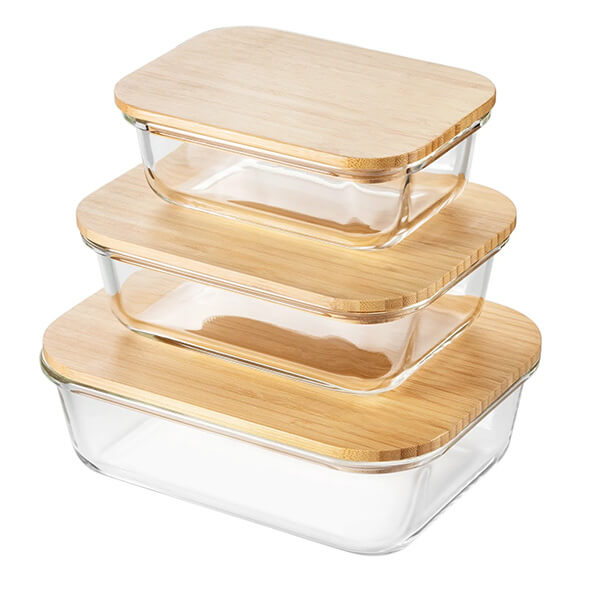
Pure solid bamboo is a natural, non-toxic material. It grows quickly without the need for pesticides or fertilizers, making it sustainable and environmentally friendly. Solid bamboo lunch boxes are carved or laminated from bamboo stalks, using only small amounts of food-grade adhesive for assembly.
Bamboo contains a natural antimicrobial substance called bamboo kun, which inhibits up to 99.8% of common bacteria. This helps keep food fresh and reduces the risk of foodborne illnesses.
The Bamboo Fiber Composite Controversy
Most “bamboo” lunch boxes on the market are not made from solid bamboo. They are actually bamboo fiber composites, made by mixing bamboo powder with melamine-formaldehyde resin as a binder.
In July 2024, the UK Food Standards Agency (FSA) issued a permanent ban on all bamboo fiber composite food containersFood Standards Agency. Testing found that these products leach formaldehyde and melamine into food at levels exceeding EU safety limits, especially when exposed to heat or acidic foods.
| Material Type | Composition | Safety Status |
|---|---|---|
| Solid Bamboo | 100% natural bamboo | Safe for cold and room-temperature foods |
| Bamboo Fiber Composite | Bamboo powder + melamine resin | Banned in the UK; not recommended for food use |
| A5 Food-Grade Melamine | 100% pure melamine resin | Safe for cold foods only (≤120°C) |
Common Safety Concerns
- Chemical migration: Formaldehyde and melamine can leach from composite materials into food
- False marketing: Many products are labeled “eco-friendly” but contain significant amounts of plastic
- Lack of regulation: Many bamboo composite products have not undergone rigorous safety testing
- Degradation over time: As the material breaks down, chemical migration increases
Bamboo Lunch Boxes Compared with Other Materials
| Material | Safety | Durability | Eco-Friendliness | Best For |
|---|---|---|---|---|
| Stainless Steel | Excellent | Excellent | Recyclable | Hot foods, daily use |
| Glass | Excellent | Fragile | Recyclable | Microwaving, acidic foods |
| Solid Bamboo | Good | Moderate | Biodegradable | Cold foods, salads, sandwiches |
| Plastic | Varies | Moderate | Poor | Non-food items only |
Important Note: No single material is perfect for all uses. Choose the material that best fits your specific needs and usage habits.
How to Choose a Safe Bamboo Lunch Box
Safety Certifications to Look For
Always check for these third-party certifications:
- FDA: Complies with U.S. food safety standards
- LFGB: Meets strict German food safety regulations (stricter than FDA)
- BPA-Free: Contains no bisphenol A
What to Avoid
- Products labeled “bamboo fiber,” “bamboo composite” or “eco-plastic”
- Products with a strong chemical smell
- Products without clear material composition information
- Extremely cheap products (likely use low-quality binders)
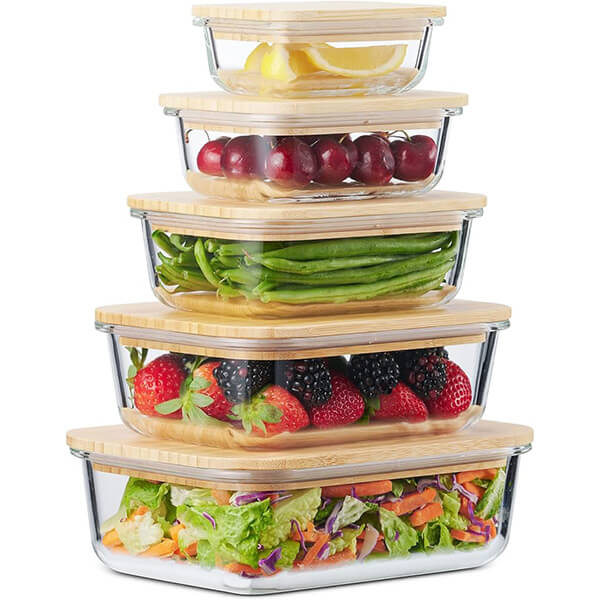
YESUN’s solid bamboo food storage containers are made from 100% FSC-certified bamboo with food-grade silicone seals. They meet both FDA and LFGB safety standards and are free from BPA, phthalates and other harmful chemicals.
Conclusion
High-quality solid bamboo lunch boxes are a safe and eco-friendly choice for cold and room-temperature foods. However, bamboo fiber composite products carry significant health risks and should be avoided.
For businesses and families looking for safe, sustainable food storage solutions, YESUN offers a complete range of FSC-certified solid bamboo products. Contact their team today to learn more about their custom options and bulk pricing.
FAQ
Are bamboo lunch boxes safe for kids?
Solid bamboo lunch boxes are safe for kids when used correctly. They are lightweight, durable and free from harmful chemicals. Always check for damage before each use and avoid using for hot or acidic foods.
Can bamboo lunch boxes go in the dishwasher?
No, even if labeled “dishwasher safe.” The high heat and strong detergents can damage the bamboo and cause it to warp or crack. Hand washing is always recommended.
Do bamboo lunch boxes absorb odors?
Bamboo is naturally resistant to odors, but strong-smelling foods can leave a residual scent. To remove odors, wash with a solution of baking soda and water, then dry thoroughly.
Can I compost bamboo lunch boxes?
Yes, pure solid bamboo lunch boxes are fully compostable. Remove any silicone or plastic parts first. Bamboo breaks down completely in 6-12 months in a home compost pile.
Why are some bamboo lunch boxes banned in Europe?
The UK and several EU countries have banned bamboo fiber composite lunch boxes due to concerns about formaldehyde and melamine migration. Solid bamboo products are not affected by these bans.