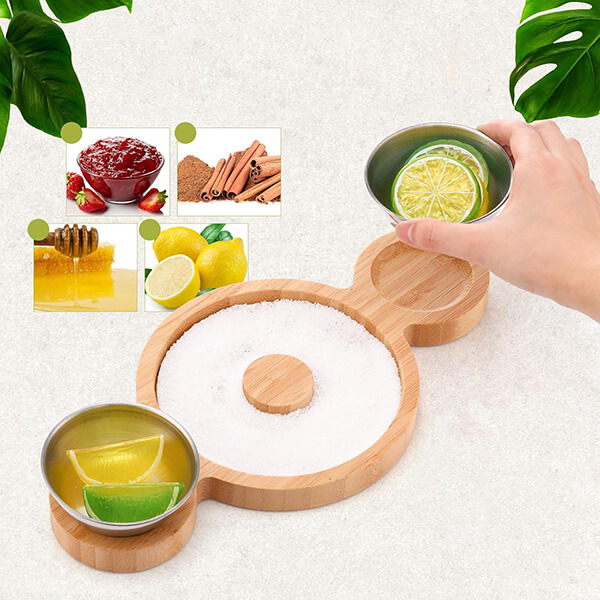
No, you should not microwave bamboo plates. Microwaving will damage the plates and is unsafe. YESUN bamboo plates are safe, hygienic, and well-made. The UK Food Standards Agency (FSA) advises against microwaving bamboo plates because they may release harmful chemicals.
The FSA also advises against using bamboo plates to hold acidic foods or drinks, and against microwaving them, as they may release harmful chemicals.
Key Takeaways
- Do not microwave bamboo plates. High temperatures will cause them to bend or break and may also release harmful chemicals.
- The adhesive in bamboo trays decomposes when heated, releasing toxic substances such as melamine and formaldehyde.
- To ensure the safety of bamboo trays, hand wash with mild soap and dry immediately. Never soak or use a dishwasher.
- Bamboo trays are only for holding hot or cold foods. Never hold excessively hot or acidic foods. This helps prevent damage to the trays and ensures your safety.
- Choose bamboo trays from trusted brands like YESUN. These brands prioritize safety and environmental friendliness.
Bamboo plates: material and properties
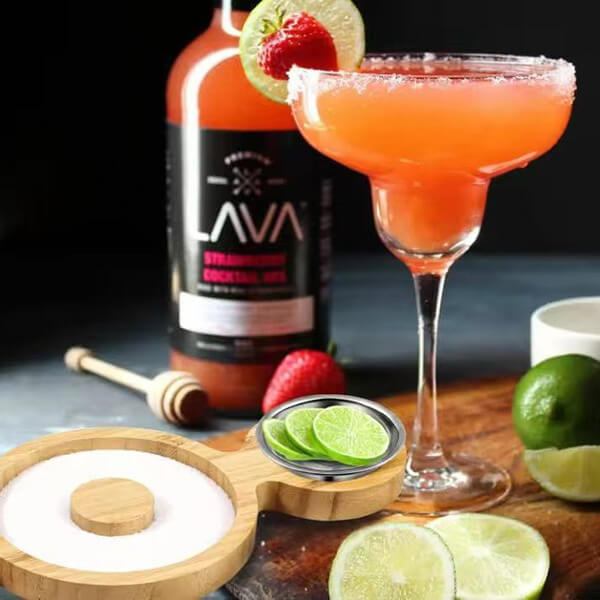
How bamboo plates are made
Bamboo serving trays are made from mature bamboo stalks. Workers cut the bamboo stalks into sections, remove the outer skin, and slice the bamboo into thin sheets. The bamboo sheets are then sanded smooth using a sander. Afterward, workers shape the bamboo sheets into a tray shape and glue the edges together. Once the trays are dry, the edges are sanded again. Finally, paint or oil is applied to prevent moisture damage. Sometimes, plant-based materials such as sugarcane bagasse or wheat straw fiber are also used. These materials make the plates more environmentally friendly. Bamboo grows quickly, requires little water, and is a renewable resource. Adhesives and resins help bond the plates together firmly. The table below lists the commonly used ingredients:
| Component | Weight (parts) |
|---|---|
| Polyurethane modified epoxy resin | 35 |
| Silicon carbide | 6 |
| Formaldehyde | 18 |
| Urea | 6 |
| Melamine | 5 |
| Triethanolamine | 0.8 |
| Phthalic anhydride | 0.4 |
| Polyol crosslinking agent | 0.4 |
| Catalyst | 0.4 |
| Mixing aid | 0.8 |
Bamboo plates are lightweight yet strong. They use renewable materials, helping to reduce plastic waste. These plates are biodegradable, supporting the circular economy.
Why bamboo reacts to microwave heat
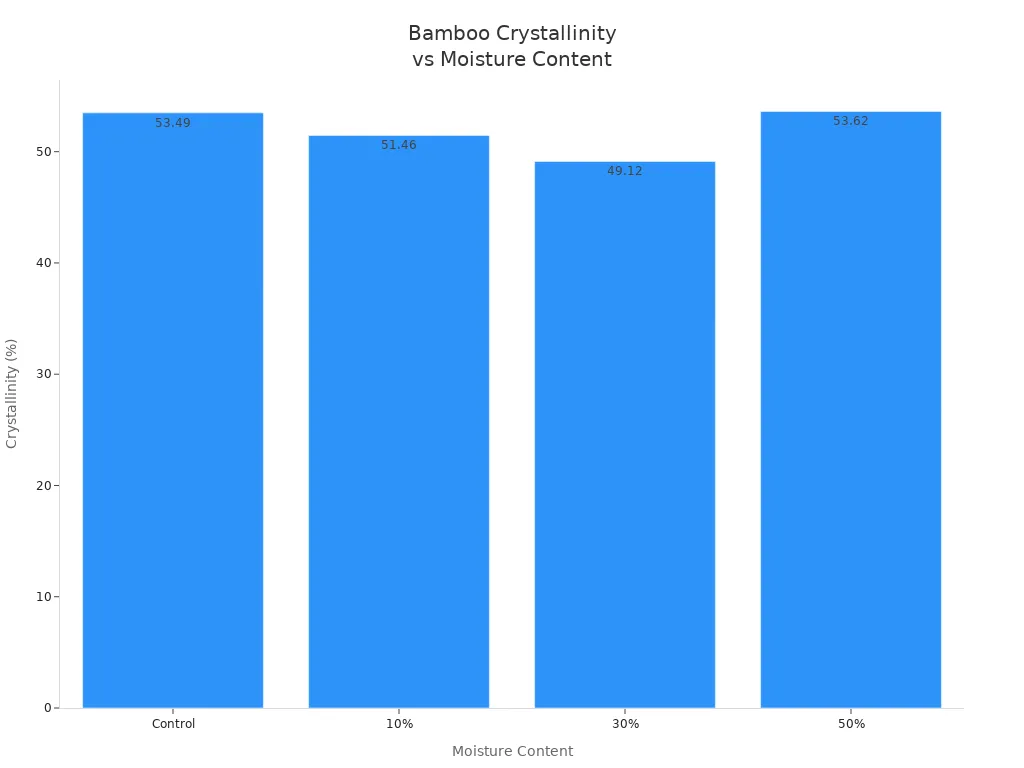
Bamboo plates cannot withstand the high temperatures of a microwave oven. They can only withstand a maximum temperature of 120°C, while glass-ceramic plates can withstand temperatures up to 300°C. The glue and resin in bamboo plates may decompose when heated, releasing chemicals such as melamine and formaldehyde. Crystallinity changes with moisture content.
Microwaving bamboo plates is unsafe. High temperatures can damage the plates and cause chemicals to leach into food.
Bamboo plates are environmentally friendly but not suitable for microwave heating. They are best suited for holding room-temperature food or dry snacks.
Risks of microwaving bamboo plates
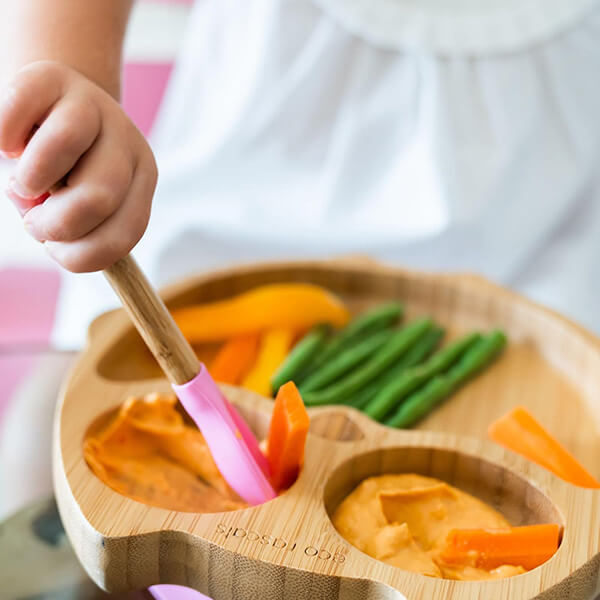
Microwaving Bamboo kitchenware can cause many problems. These problems can not only damage the plates but also harm the user. Understanding these risks helps people eat safely in the kitchen.
Warping and cracking
While bamboo plates are sturdy, they can naturally decompose. They are not heat-resistant. If a bamboo plate is placed in a microwave oven, it may bend or crack. The fibers of bamboo change at high temperatures. The glue used to bond bamboo plates will also fail in a microwave oven. Over time, the bamboo plate may warp or crack. Prolonged or high-power heating makes this more likely.
High heat can make bamboo plates bend or crack. This makes them unsafe to use.
YESUN bamboo plates are durable and suitable for everyday use. However, they are not microwave-safe. Using bamboo plates in a microwave oven will accelerate their wear and tear and may cause safety issues.
Chemical release and resin issues
The chemicals and resins in bamboo plates also pose other risks. Many bamboo plates contain melamine and formaldehyde in their glue. When heated in a microwave, these chemicals break down and leach into food. Melamine can damage the kidneys, and formaldehyde may be carcinogenic. Studies have shown that cracked or damaged bamboo plates release more chemicals when heated in a microwave.
A study published in the journal *Food Additives & Contaminants* found that almost all bamboo fiber bowls tested released formaldehyde when heated in a microwave. This was more common when heating oily or acidic foods. This can be dangerous for anyone using bamboo plates to heat food. The risk is higher if you frequently use a microwave or if the plate itself has cracks.
Chemicals from bamboo plates can leach into microwave-heated food. This can be harmful to your health, especially for children and people with sensitivities.
Splintering and loss of finish
Microwave heating can also cause bamboo plates to crack or lose their smooth surface. High temperatures and water can brittle bamboo fibers. Over time, the plates will become rough and may form small fragments. These fragments can get into food and pose a hazard. A rough or faded plate means it has aged.
The following situations exacerbate this risk:
- Using the plate daily and washing it frequently
- Placing it in boiling water or a high-temperature environment
- Serving acidic foods such as lemons or tomatoes
If your bamboo plate starts to wear or develop fragments, you should replace it. The fragments can scratch you and provide a breeding ground for bacteria.
YESUN bamboo plates are durable. However, for safety reasons, never heat them in a microwave.
Caring for bamboo tableware
Cleaning and maintenance tips
Properly cleaning bamboo tableware helps extend its lifespan and ensures safe use. The manufacturer recommends the following daily maintenance steps:
- Rinse the plates with warm water immediately after meals.
- Hand wash with mild soap and a soft-bristled brush. Do not soak the plates.
- Thoroughly dry each plate with a clean towel; do not let them air dry.
- For stubborn stains, mix baking soda and water to form a paste. Gently rub the stains.
- Clean with a mixture of vinegar and water, then wipe and rinse quickly.
- Sometimes, you can apply a special bamboo oil or wax to the plate to keep it smooth.
If bamboo plates are not cleaned properly, bacteria can easily grow. Water residue on the bamboo can lead to mold or bacterial growth. Dishwashers are not suitable for bamboo plates. High temperatures and strong detergents can cause bamboo plates to warp, crack, or lose their natural oils.
Safe ways to use bamboo plates
Bamboo plates are suitable for serving both hot and cold foods. You can use them to serve salads, sandwiches, or hot pasta. However, do not use them to serve very hot food that has just come out of the oven. Prolonged exposure to high temperatures can cause bamboo plates to warp or damage. Always read and follow the manufacturer’s safe usage instructions.
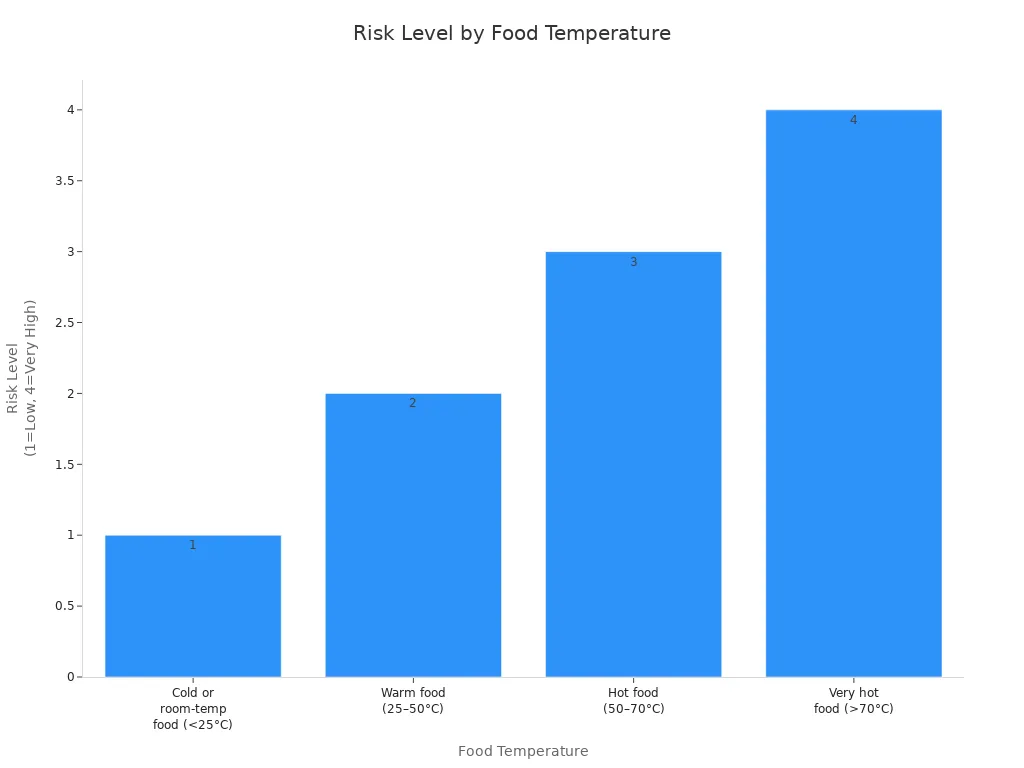
The table below shows the food temperature range that bamboo plates can withstand:
| Food Temperature | Recommended Use | Risk Level |
|---|---|---|
| Cold or room-temperature food (below 25°C / 77°F) | Safe for all bamboo dishes | Low |
| Warm food (25–50°C / 77–122°F) | Usually safe; do not leave food on too long | Moderate |
| Hot food (50–70°C / 122–158°F) | Use only if there is no melamine in the plate | High |
| Very hot food (above 70°C / 158°F) | Never use bamboo plates for this | Very High |
What to avoid with bamboo tableware
To maintain the beauty of your bamboo plates, please do not:
- Do not soak the plates in water for extended periods.
- Keep the plates away from microwaves, ovens, and direct sunlight.
- Do not use strong chemical cleaners or harsh detergents.
- Never put bamboo plates in a dishwasher. This will cause the plates to warp or lose their shine.
If used correctly, bamboo plates will remain beautiful and durable.
Bamboo plates should not be heated in a microwave. High temperatures can cause the plates to warp, crack, or lose their smooth coating. To safely extend the life of your plates, please follow these tips:
- Wash with mild soap and warm water.
- Dry immediately with a soft towel.
- Sometimes you can apply food-grade mineral oil to the plates.
- Store the plates in a dry place.
YESUN makes its bamboo plates from natural bamboo. They strictly adhere to safety and environmental standards. Their plates help families achieve a more environmentally friendly daily life.
FAQ
Can bamboo plates be microwaved?
No, bamboo plates should not be microwaved. High temperatures will damage the plates and cause harmful chemicals to leach out. YESUN recommends that bamboo plates only be used for serving not-too-hot food.
Can bamboo plates be dishwasher safe?
No, bamboo plates are not dishwasher safe. Hot water and strong detergents can cause the plates to warp or fade. Hand washing with a mild detergent is recommended to maintain their appearance.
How long can bamboo plates last?
With proper care, bamboo plates can last for many years. Regular washing and avoiding high temperatures will help maintain their sturdiness and appearance.
What foods are suitable to be served on bamboo plates?
| Food Type | Safe for Bamboo Plates |
|---|---|
| Cold foods | ✅ Yes |
| Warm foods | ✅ Yes |
| Very hot foods | ❌ No |
| Sour foods | ❌ No |
Why choose YESUN bamboo plates?
YESUN makes bamboo plates that last a long time and are good for the planet. They use safe materials and check quality carefully. Many families pick YESUN because their plates are safe and look nice.