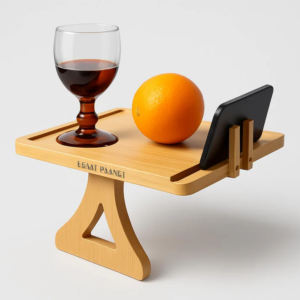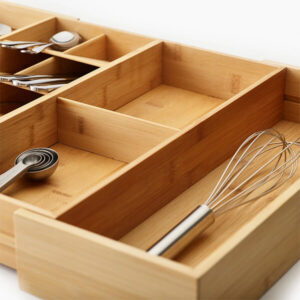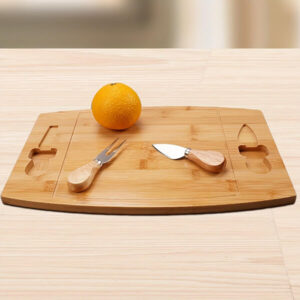
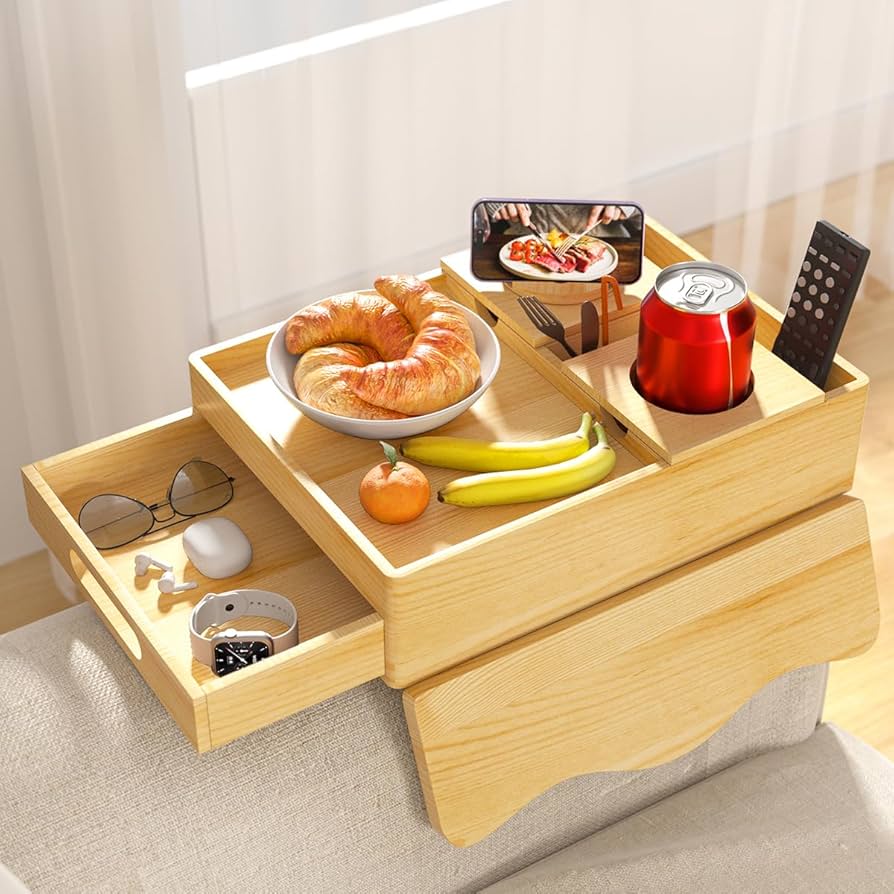
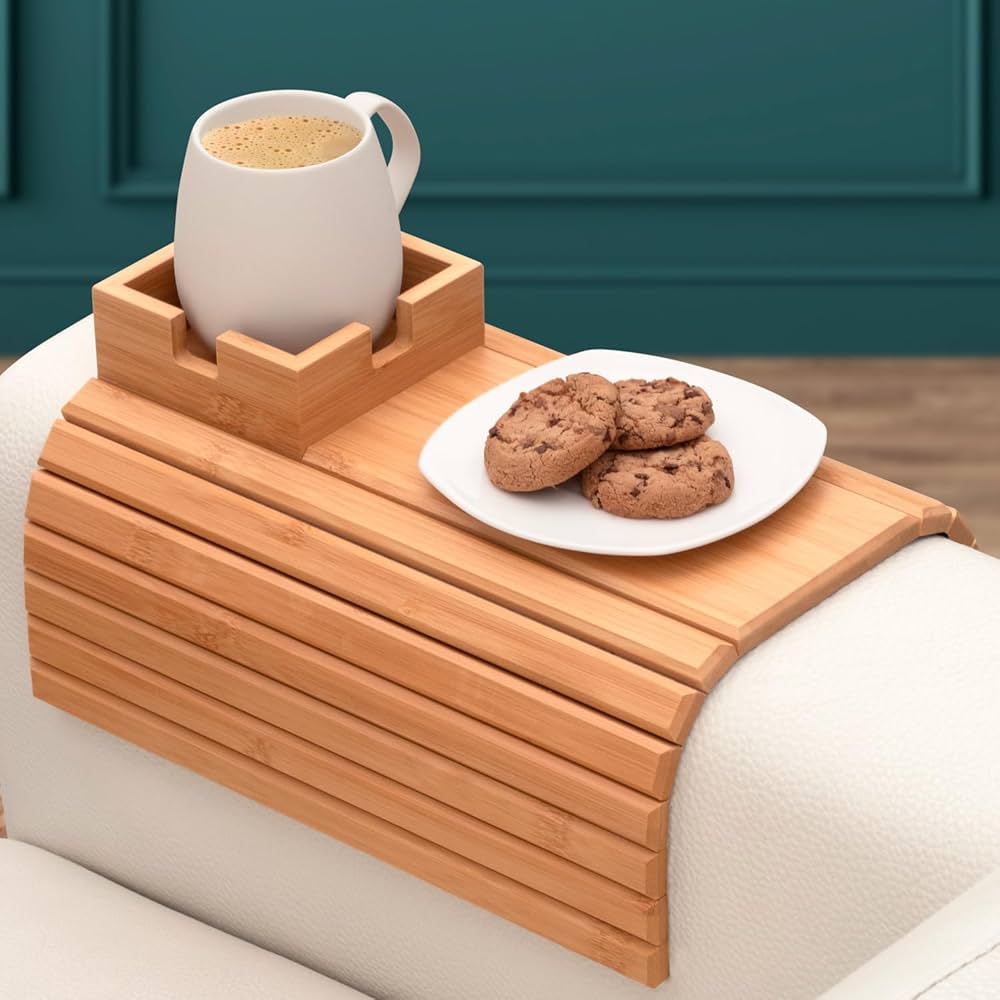
People often wonder how to maintain bamboo trays to keep them looking beautiful and extend their lifespan. They should gently clean the trays, dry them thoroughly, store them in a cool, dry place, oil them regularly, and avoid common mistakes such as using harsh chemicals or soaking them. YESUN’s bamboo trays are beautiful and practical, suitable for any home. Consistent maintenance helps prevent warping, mold, and stains, as shown in the image below.
Key Takeaways
- Clean your bamboo storage rack immediately after use. This prevents food residue from sticking and keeps the tray smooth. Use a mild cleaning agent, such as mild soap, vinegar, or baking soda. These cleaners will not damage the bamboo. Dry the tray thoroughly after cleaning. This helps prevent warping and mold. Store your bamboo tray in a cool, dry place. Do not expose it to direct sunlight. This helps maintain the tray’s appearance. Oil your bamboo tray regularly, depending on how often you use it. This keeps the tray shiny and strong.
How to treat a bamboo tray daily
Bamboo tray cleaning steps
Kitchenware experts recommend taking a few simple steps daily to maintain your bamboo tray. These steps help keep the tray clean and prevent damage.
- Clean the tray immediately after use. This prevents food residue from sticking and keeps the surface smooth.
- Wash with warm water (approximately 35-40°C) and a mild, neutral detergent. Water that is too hot or too cold can damage the bamboo.
- Dry the tray immediately with a clean towel. Dampness can lead to warping or mold.
Tip: Daily cleaning keeps the tray hygienic and extends its lifespan. Those who use the tray frequently should also perform a deep cleaning every three months, depending on usage frequency and humidity levels in their home.
Bamboo tray cleaning products
Choosing the right cleaning products is crucial for maintaining bamboo trays. Safe and effective options include:
- A 3% hydrogen peroxide solution is ideal for disinfecting the tray, especially after handling raw food. It kills most bacteria, including E. coli and Salmonella.
- Diluted white vinegar (one part vinegar to three parts water) can break down grease and has antibacterial properties. The tray should be rinsed two to three minutes after use.
- A paste made of baking soda (three parts baking soda to one part water) can gently remove stains and odors.
- Mild dish soap and a soft sponge can clean the tray without scratching or damaging the surface.
Harsh chemicals and abrasive materials should be avoided. These can damage the bamboo and ruin its natural appearance. Prolonged soaking in water can cause the tray to crack or mold. YESUN recommends using gentle cleaning products to protect the tray’s surface and keep it looking like new.
Bamboo tray removing stains
Stains are inevitable, but they won’t ruin your bamboo tray. Here are some effective ways to remove stains:
- Wipe the surface with a soft, damp cloth. This will remove dust and light stains. Make sure the cloth is not too wet.
- Mix white vinegar with water, dip a cloth in the solution, and then wipe the stain. Rinse the tray thoroughly afterward.
- Sprinkle some baking soda on a damp cloth and gently rub stubborn stains. Rinse thoroughly.
- For grease stains, you can use dish soap and warm water. Rinse the tray after cleaning.
- For stubborn stains, you can try using a cleaner specifically designed for bamboo products. These cleaners remove stains while also protecting the bamboo.
Note: Baking soda has a gentle abrasive effect. You can sprinkle a small amount of baking soda on the stain and then gently rub it with a soft brush or sponge. This method effectively removes stubborn stains without scratching the tray.
By following these daily steps, you can carefully care for your bamboo tray and keep it in good condition. Regular cleaning, using safe products, and gentle stain removal methods will help maintain the tray’s beauty and durability.
Bamboo tray drying and storage tips
Bamboo tray drying methods
People often wonder how to properly dry bamboo trays. The best way is to dry the tray immediately after washing. They should use a clean towel to absorb as much moisture as possible. Next, the tray can be placed vertically on a rack or leaning against a wall. This placement allows air to circulate around the tray, helping it dry faster. Air drying works well because it prevents moisture from accumulating on the surface. Never soak bamboo trays or keep them wet for extended periods. Soaking can cause the bamboo to warp or mold.
Tip: Always ensure your bamboo tray is completely dry before storing it. This simple habit will keep your tray in good condition for years.
Bamboo tray storage conditions
Proper storage methods will help you care for your bamboo tray and keep it looking brand new. Bamboo trays prefer a dry, well-ventilated environment. Shelves in the kitchen or pantry are good options. Avoid direct sunlight or high-temperature areas. Sunlight can cause the bamboo to fade and become brittle. Wrapping the tray in paper or plastic can provide extra protection, especially if you don’t use the tray frequently. Storing pallets vertically also helps with air circulation, thus preventing dampness.
Here are some good storage tips:
- Store pallets in a cool, dry place.
- Pallets should be kept away from windows and heating equipment.
- For long-term storage, wrap them in paper or plastic wrap.
What to avoid of bamboo tray
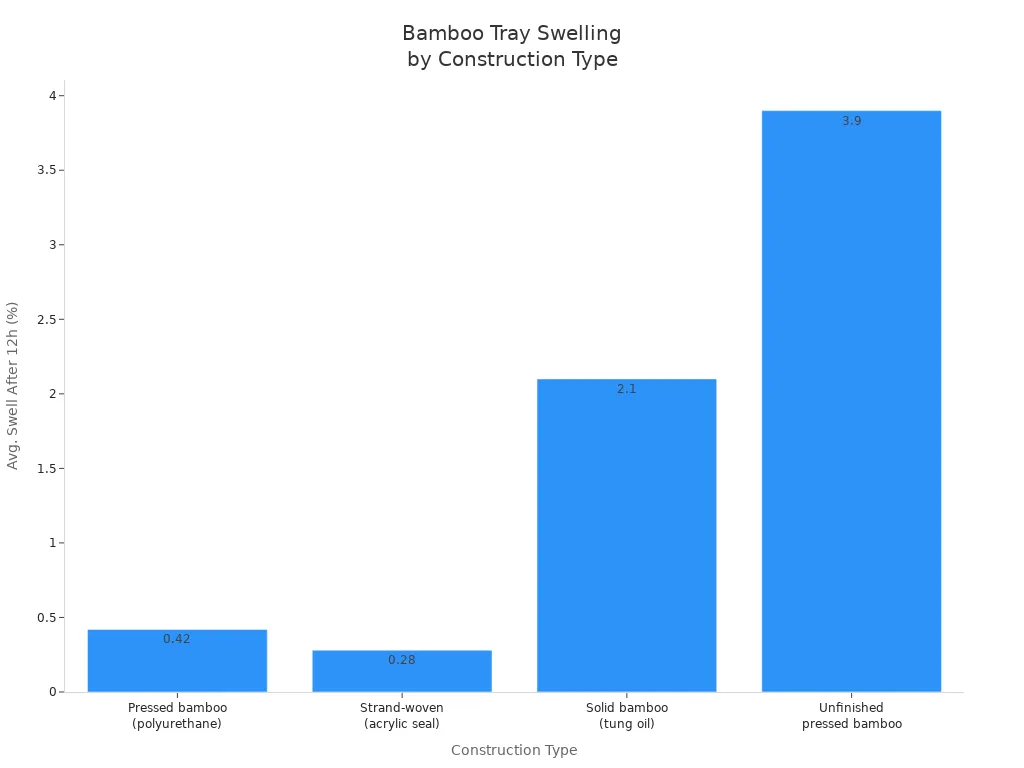
Some storage mistakes can damage bamboo trays. People should avoid damp places, such as under the sink or near the dishwasher. These areas are prone to mold growth. They should also avoid placing trays in direct sunlight or areas with extreme temperature fluctuations. Bamboo products are best stored in a room with a temperature between 60°F and 75°F (approximately 16°C to 24°C) and a humidity level between 30% and 50%. High humidity can cause bamboo to swell, while low humidity can cause it to crack.
Note: Good storage habits help maintain bamboo trays and prevent common problems such as warping, mold, and stains.
Maintain and protect bamboo trays
Oiling bamboo trays
Oiling helps keep bamboo trays smooth, shiny, and strong. People often wonder how often they should oil their trays. The answer depends on the frequency of use. Frequently used trays need to be oiled monthly. Trays used in the kitchen can be oiled every three to four months. Trays used for storage or decoration only need to be oiled every six to twelve months. If the tray looks dry or dull, it should be oiled immediately.
Here is a quick guide:
| Bamboo Type | Oiling Frequency |
|---|---|
| New bamboo | Once before first use, then monthly for 3 months |
| Established bamboo | Every 3-4 months for kitchen items |
| Storage/decor bamboo | Every 6-12 months |
| Heavily used items | Monthly |
| When looks dry/dull | Immediately |
Different oils can be used to maintain bamboo trays. Mineral oil is food-grade and prevents the bamboo from drying out. Beeswax adds shine and makes the tray water-resistant. Fractionated coconut oil remains liquid and does not spoil. Carnauba wax provides a glossy finish. These oils help the bamboo last longer and look better.
| Oil Type | Benefits |
|---|---|
| Mineral Oil | Food-safe, prevents drying, antibacterial |
| Beeswax | Hydrates, shines, waterproofs |
| Carnauba Wax | Water-resistant, glossy finish |
| Fractionated Coconut Oil | Stays liquid, does not go rancid |
Bamboo tray preventing mold
If not properly cared for, mold can damage bamboo trays. Mold growth can be prevented by maintaining humidity between 30% and 50%. Good air circulation also helps, so trays should not be stored in enclosed spaces. Wiping the tray with a dry cloth removes moisture. Vinegar or tea tree oil can inhibit mold growth. Stains should be wiped clean immediately, and contact with water should be avoided. Breathable storage materials work best.
Tip: Regular cleaning and proper storage prevent mold growth and extend the lifespan of your tray.
Bamboo tray regular checks
It is recommended to inspect your bamboo tray every three months. Regular inspections help detect wear and tear, mold, or damage early. Deep cleaning at this time also keeps the tray clean and hygienic. Catching problems early prevents small issues from becoming big ones.
YESUN’s bamboo trays help protect the environment. Bamboo grows quickly and does not require replanting. It is biodegradable and has a much lower carbon footprint than plastic or metal trays. Choosing bamboo products helps reduce waste and protect the environment.
With proper care, your bamboo tray will be a beautiful and durable kitchen item that benefits both your home and the planet.
Bamboo tray Common mistakes to avoid
Everyone wants their bamboo tray to last a long time. However, people sometimes make mistakes without realizing it. Here are some common mistakes and how to avoid them.
Over-soaking bamboo tray
Many people think bamboo is the same as regular wood. They will soak the tray in water, thinking it will clean it more thoroughly. This practice actually leads to swelling, warping, and even mold. Bamboo absorbs water very quickly. If left soaking in water or in the sink for a long time, the tray will warp. The tray should always be washed and dried immediately. A quick wipe with a damp cloth is the best method.
Tip: Never soak your bamboo tray in water for extended periods. Dry it as soon as possible to keep it strong and beautiful. Using Harsh Chemicals
Using harsh chemicals
Some people believe bamboo requires strong cleaning agents. They use bleach, harsh detergents, or abrasive cleaning sponges. These products remove the natural coating and can damage the tray’s surface. Over-sanitizing also removes protective oils, leaving the tray dry and dull. Gentle soap and a soft sponge will achieve the same cleaning results without causing any damage.
Here’s a quick look at common misconceptions:
| Myth | Reality |
|---|---|
| Bamboo is just wood – treat it like regular wood | Bamboo requires gentle care and special attention |
| Bamboo requires constant maintenance | Bamboo is easier to maintain than hardwood and doesn’t require more maintenance than plastic |
| Over-sanitizing makes the tray safer | Over-cleaning removes the protective coating |
Bamboo tray improper storage
Storage is more important than people realize. Some people store trays near the sink, in damp cabinets, or in direct sunlight. These locations can lead to mold, discoloration, or cracking. Bamboo prefers cool, dry, and well-ventilated places. Wrapping trays in plastic wrap or stacking them tightly can also lead to moisture buildup.
- Store trays upright in a dry place.
- Avoid high temperatures and direct sunlight.
- Check trays regularly for mold or signs of dryness.
Note: Good storage habits help extend the lifespan of your trays and maintain their beauty.
Avoiding these mistakes means less stress and a longer lifespan for each bamboo tray. Those who care for their trays properly can enjoy years of beautiful and durable kitchenware.
With just a few simple habits, anyone can keep their bamboo trays looking beautiful. They should be gently cleaned, thoroughly dried, stored in a cool place, and oiled regularly. These steps help the trays last 10-15 years or even longer, while neglected trays will quickly deteriorate due to moisture and mold. Many customers trust YESUN because we provide sturdy, durable, environmentally friendly, and beautiful bamboo products. Those who care for their bamboo trays properly can enjoy years of beauty and durability.
FAQ
How often should I oil my bamboo tray?
If you use your bamboo tray frequently in the kitchen, it’s recommended to oil it every 3-4 months. If you use it less often, every 6-12 months is sufficient. If the tray looks dry, oil it immediately.
Can bamboo trays go in the dishwasher?
No, bamboo trays should not be put in the dishwasher. High temperatures and moisture can cause the bamboo to warp or crack. It’s best to hand wash with mild soap and warm water.
What kind of oil is best for bamboo trays?
Mineral oil is the best choice. It’s safe, non-toxic, and prevents the bamboo from drying out. Beeswax or fractionated coconut oil also work well for brightening and protecting.
How do I remove odors from my bamboo tray?
Sprinkle baking soda on the tray. Let it sit for 15 minutes. Wipe clean with a damp cloth. This method removes most odors and keeps the tray smelling fresh.