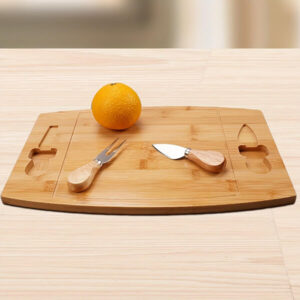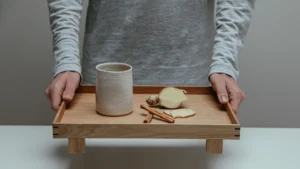
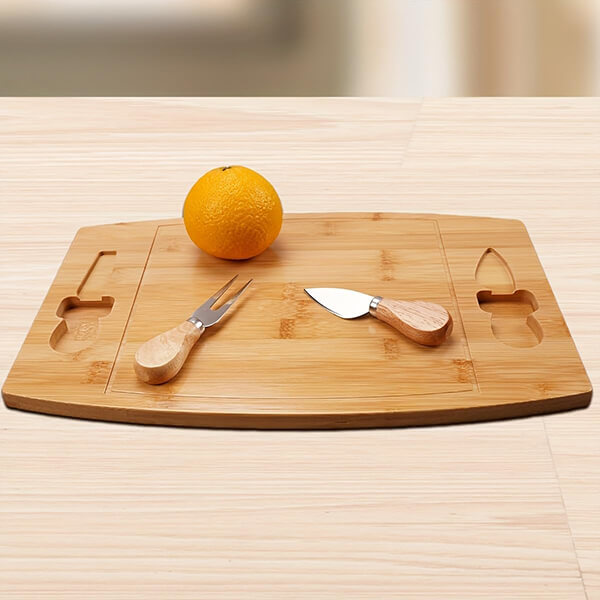
To clean a bamboo serving tray, use gentle ways. Clean it right after you use it. People who clean wooden and bamboo utensils help them stay pretty and last longer.
Key Takeaways
- Clean your bamboo serving tray right after you use it. This helps stop stains and bacteria from forming.
- Use mild dish soap and warm water to clean it every day. Do not use strong chemicals because they can hurt the bamboo.
- Always wash the tray by hand and dry it right away. This stops it from bending or growing mold.
- Do not put the tray in a dishwasher or soak it in water. These things can make it crack and not last as long.
- Put food-safe oil on the tray once a month. This keeps it shiny and stops it from drying out.
Cleaning steps for bamboo serving tray
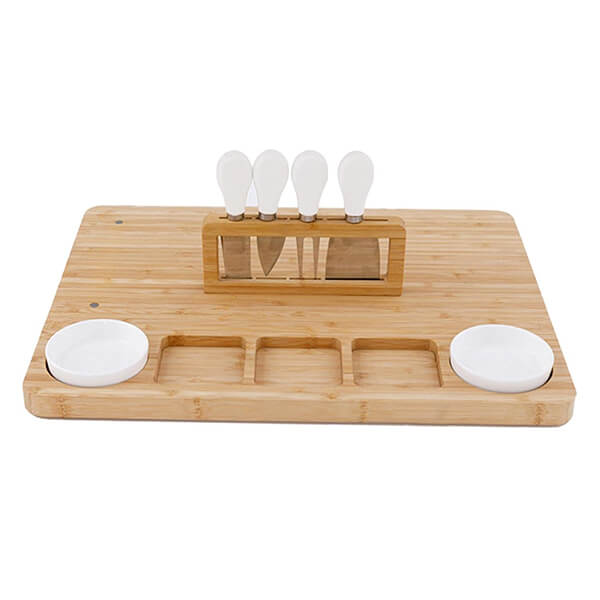
People who follow proper care instructions help their trays stay beautiful and last longer. The best way to clean them is to use gentle methods and avoid harsh treatments.
Immediate wipe after use
Food residue can cause stains and odors if left on the tray. He should wipe the bamboo serving tray right after each use. This step prevents bacteria from growing and keeps the tray fresh. Delayed cleaning allows food to stick and makes removal harder.
Tip: Wiping the tray immediately after use helps maintain its natural shine and prevents stubborn stains.
Wash with mild dish soap and warm water
The tray should be washed with a mild dish soap and warm water. A mild dish soap effectively removes food residue without damaging the bamboo. This is recommended for daily cleaning. For stubborn stains, white vinegar or baking soda can be used. These methods are effective and will not damage the tray.
- Mild dish soap removes food residue effectively.
- White vinegar and water mixture disinfects and breaks down grease.
- Baking soda paste treats tough stains gently.
Use a soft cloth or sponge
The tray should be cleaned with a soft cloth or sponge. Rough materials will scratch the surface. Dirt can be removed by gently wiping with a soft sponge or cloth soaked in soapy water.
Rinse and dry promptly
After washing, the tray should be rinsed with clean water. Bamboo cannot withstand prolonged soaking in water and must be dried immediately with a soft towel. If the environment is dry, it can also be air-dried naturally. Timely drying can prevent swelling and deformation.
Note: Never submerge the tray or place it in a dishwasher. Excess moisture can damage bamboo fibers and adhesive joints.
Air dry fully
Pallets should be allowed to air dry completely before storage. Stacking damp pallets can lead to moisture retention and mold growth. A dry environment helps pallets maintain their condition. Direct sunlight should be avoided, as it can cause the bamboo to fade.
People who regularly clean wooden and bamboo tableware can obtain safe and beautiful tableware.
Stain removal and deodorizing
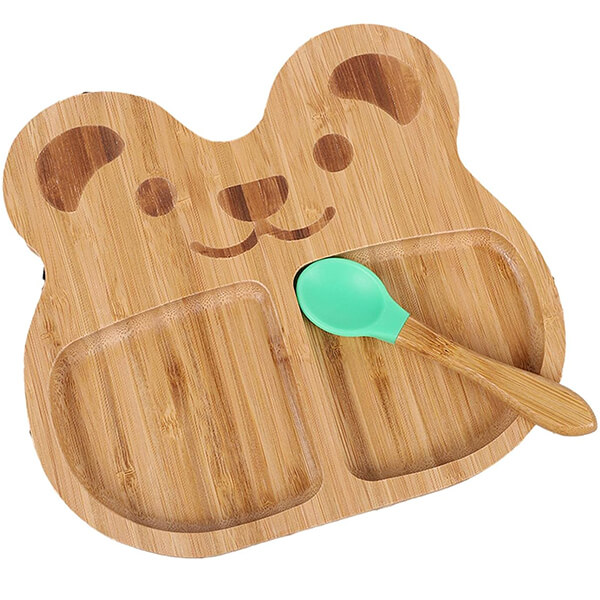
Bamboo serving trays can get stains and smells. Using natural cleaning ways is best. These methods protect the bamboo and keep it looking nice. You can use things found in your kitchen to clean the tray.
Baking soda paste for stains
Baking soda is a gentle cleaner for bamboo trays. Mix baking soda with water to make a paste. Put the paste on the stain and rub softly with a cloth. Baking soda removes stains without strong chemicals. If you use baking soda too much, the tray can lose its shine and feel rough. Store-bought stain removers have strong chemicals that can hurt the bamboo.
Tip: Only use baking soda paste for tough stains, not every day.
Lemon and salt for tough spots
Lemon and salt work well for cleaning hard stains. Sprinkle salt on the stain. Cut a lemon in half and rub it on the salt and tray. This helps remove food bits and stains. Lemon’s acid breaks down dirt, and salt scrubs gently.
- Lemon juice and salt clean tough stains.
- Rubbing with lemon and salt works well for bamboo trays.
Vinegar solution for odor
Bamboo trays can keep food smells. Vinegar mixed with water helps remove odors and kills germs. Mix equal parts vinegar and water. Wipe the tray with this mix using a soft cloth. Vinegar’s acid kills germs and gets rid of smells. Baking soda also removes odors, but vinegar is better for cleaning bamboo.
- Vinegar is safe for the environment.
- White vinegar cleans and removes smells from bamboo.
- Vinegar’s acid kills germs and makes the tray fresh.
Note: Always rinse the tray with water after using vinegar or lemon so no residue stays.
Using these natural ways keeps bamboo trays clean, fresh, and safe for food.
What to avoid when cleaning bamboo
Caring for a bamboo serving tray means knowing what not to do. Some cleaning habits can harm bamboo and shorten its life. Avoiding these common mistakes will result in a tray that can be used for a long time.
No dishwasher use
Dishwashers may seem convenient, but they can ruin bamboo trays. The high heat and moisture inside a dishwasher cause bamboo to expand and contract. This process leads to cracks, splits, and warping. The color of the tray can fade, and the surface may break down. People who use dishwashers for bamboo trays often see damage in less than a year. With proper care, a bamboo tray can last up to five years.
- Dishwashers create an environment that bamboo cannot tolerate.
- The cycle of wetting and drying causes cracks and warping.
- High temperatures break down bamboo fibers and fade color.
- Dishwasher use can reduce the tray’s lifespan from years to months.
Tip: Always hand wash and dry bamboo trays to keep them strong and beautiful.
Avoid soaking
Soaking bamboo trays in water can cause serious problems. Bamboo absorbs water quickly, especially if it is not sealed. Even a short soak can lead to swelling, warping, or loose joints. Laboratory tests show that untreated bamboo absorbs a lot of water in less than a minute. Sealed bamboo resists water better, but soaking still puts the tray at risk.
- Untreated bamboo absorbs water fast, leading to damage.
- Sealed bamboo holds up longer, but soaking is still unsafe.
- The tray’s finish, grain, and joints all affect how it handles moisture.
People should always rinse and dry trays right after washing. This habit helps clean your cooking utensils safely and keeps bamboo trays in top shape.
Skip harsh chemicals
Some cleaners are too strong for bamboo. Chlorine bleach and ammonia-based products can lighten the natural color of bamboo. These chemicals also break down the protective finish and make the tray weaker over time. Using gentle, natural cleaners helps bamboo trays stay safe for food and last longer.
Note: Choose mild soap and water to clean bamboo trays. Avoid bleach and ammonia to protect the tray’s look and strength.
People who avoid these mistakes help bamboo trays stay durable and eco-friendly for years.
A bamboo serving tray stays beautiful and strong with the right care. People should:
- Clean after each use and dry right away.
- Store trays in a cool, dry place.
- Avoid soaking or using a dishwasher.
- Re-oil the surface every month for shine.
Regular maintenance helps prevent stains and damage. YESUN’s bamboo serving tray offers durability and eco-friendly style for any home.
FAQ
How often should he clean a bamboo serving tray?
He should clean the tray after every use. Regular cleaning prevents stains and keeps the tray safe for food. Immediate care helps maintain the tray’s natural beauty.
Can he use olive oil to condition the tray?
He can use food-safe mineral oil or bamboo oil. Olive oil may turn rancid over time. Conditioning once a month keeps the tray shiny and prevents drying.
What should he do if the tray smells bad?
He can wipe the tray with a vinegar and water solution. This removes odors and kills germs. Rinse with water and dry the tray completely.
Is it safe to cut food directly on the bamboo tray?
He can cut soft foods on the tray. Hard foods or sharp knives may scratch the surface. Using a cutting board protects the tray and keeps it looking new.