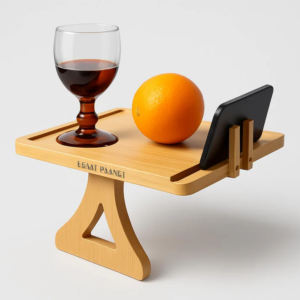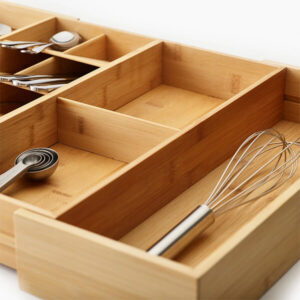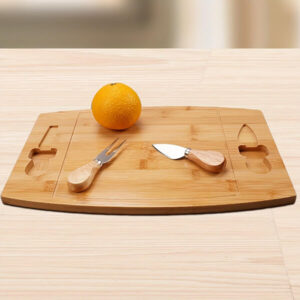

The key to maintaining a bamboo tray lies in gentle cleaning and proper care. When cleaning, use mild soap and a soft cloth. Never soak the tray in water or put it in a dishwasher. This helps keep the tray in good condition. Using suitable cleaning products will keep the bamboo tray looking beautiful and durable. With proper care, a bamboo tray can last 10 to 15 years. It’s not only aesthetically pleasing but also helps reduce waste.
Key Takeaways
- Wash your bamboo tray gently with mild soap and a soft cloth so it does not get damaged.
- Dry the tray right after you wash it. Keep it in a dry place with air and away from sunlight.
- Put food-grade mineral oil on the tray every two or three months. This keeps the bamboo smooth and stops cracks.
- Do not soak the tray in water. Do not use bleach or put it in the dishwasher. This helps keep its shape and finish safe.
- Use natural ways like vinegar and sunlight to get rid of smells and stains. These ways clean the tray without hurting the bamboo.
Bamboo Tray Cleaning
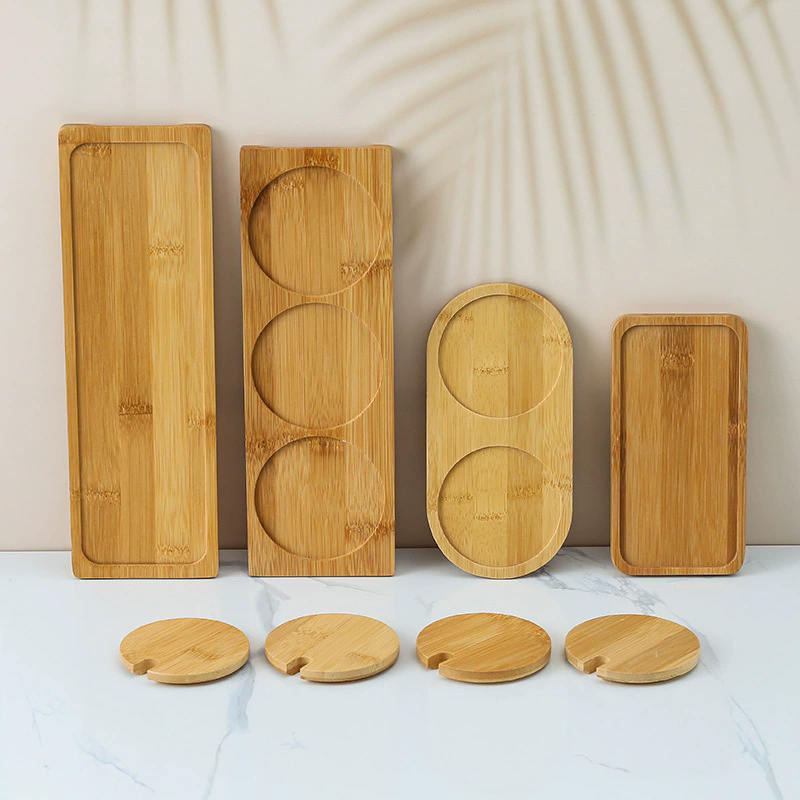
Supplies Needed
Cleaning bamboo trays requires only a few basic items. These items help maintain the good condition of natural bamboo trays and prevent damage:
- Soft microfiber or cotton cloth
- Mild, gentle dish soap (free from harsh chemicals)
- Non-abrasive sponge
- Soft brush for grooves or drainage holes
These tools remove dirt without scratching the surface. They also help maintain the natural look of the bamboo.
Step-by-Step Cleaning
Proper cleaning keeps a bamboo tray looking new and extends its life. Follow these steps for best results:
- Prepare the Surface: Check the tray for dust or crumbs. Use a dry microfiber cloth to gently wipe away loose particles.
- Clean Gently: Mix one cup of warm water with two drops of mild dish soap and a tablespoon of white vinegar. Dip a soft cloth into the solution, wring out extra liquid, and wipe the tray. Avoid soaking the tray or using too much water.
- Dry Immediately: Pat the tray dry with a clean, lint-free towel. Place it upright in a well-ventilated area. Do not leave it in direct sunlight or near heat.
- Restore Finish: Look for any scratches or dull spots. Apply a thin layer of food-grade mineral oil with a soft cloth. Buff along the grain to protect the bamboo.
Tip: Always test any cleaning solution on a small, hidden area first. Treat bamboo like fine art—gentle care works best.
Each premium bamboo tray designed by YESUN has a smooth, non-porous surface that is easy to clean and helps prevent stains and odors.
What to Avoid
Some cleaning methods can damage a bamboo tray. Avoid these common mistakes:
| Common Mistakes | Consequences |
|---|---|
| Putting the bamboo tray in the dishwasher | Causes warping and voids warranties |
| Dunking or leaving the tray in water | Leads to water absorption and warping |
| Using bleach | Results in staining and excessive drying of wood |
| Leaving the tray wet to dry flat | Causes uneven drying and warping |
Bamboo’s porous fibers absorb more moisture than hardwoods. Always use gentle, pH-balanced solutions and soft tools.
Proper cleaning and care prevent cracking, warping, and splitting.
Deep Cleaning & Stain Removal
Removing Tough Stains
Bamboo trays may develop stains after frequent use. People often find food stains or dark spots that ordinary cleaning methods cannot remove. These stains can be cleaned using gentle methods without damaging the bamboo.
- Mix baking soda with soapy water to make a paste. Apply the paste to the stain and scrub gently with a soft brush.
- Lemon juice works well because its acid breaks down stains. Rub lemon juice on the spot and let it sit for a few minutes.
- Combine equal parts vinegar and water. Dab the mixture onto the stain, but avoid soaking the bamboo. Wipe off after a short time.
Tip: Always use a soft brush or cloth. Hard scrubbing can scratch the bamboo surface.
Odor Solutions
Sometimes, bamboo trays can develop unpleasant odors due to food or moisture. Several natural methods can help remove these odors and keep the trays fresh. The table below lists some common methods and their effects:
| Method | Effectiveness | Risk to Bamboo Integrity | Time Required |
|---|---|---|---|
| Vinegar + Sunlight | 97% | None | 48 hours |
| Baking Soda Paste | 32% | High | 6 hours |
| Activated Charcoal Bag | 41% | Low | 72 hours |
People can wipe the tray with vinegar and then place it in the sun to dry. This method can remove most odors without damaging the bamboo. Coffee beans can also absorb odors. Simply place the tray in a sealed bag of coffee beans and leave it for a day. Lemon juice can neutralize strong odors. For stubborn odors, sprinkle rock salt on the tray and let it sit overnight.
Long-term Maintenance of Bamboo Trays
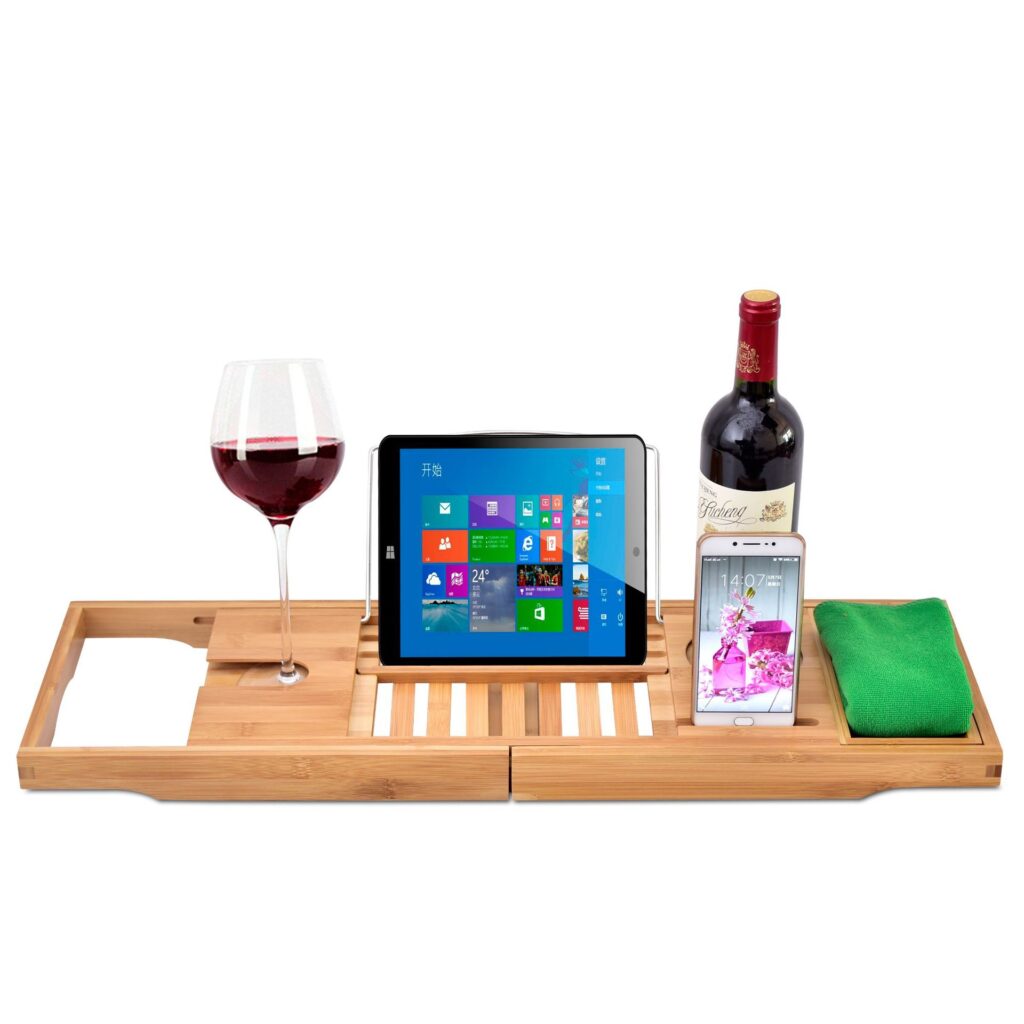
Oiling for Longevity
Regular oiling helps a bamboo tray stay smooth and strong. Mineral oil works best for this purpose. People should apply a thin layer of food-grade mineral oil every one to three months, depending on how often they use the tray. Bamboo needs slightly more frequent conditioning, about every two to three months, because it has less natural oil than hardwoods. Oiling prevents the surface from drying out and keeps the bamboo looking shiny.
Tip: Always use a soft cloth to spread the oil evenly along the grain. Let the tray absorb the oil for a few hours before wiping off any extra.
Proper Drying & Storage
Properly drying and storing bamboo trays can prevent them from molding and warping. After washing, the trays should be dried immediately with a clean towel. Laying them flat on a rack to air dry helps moisture drain and prevents the trays from warping. Direct sunlight can cause cracking, so it’s best to avoid direct sunlight. The best place to store bamboo trays is in a dry, well-ventilated area with a stable humidity level between 40% and 60%. Laying them flat and away from heat sources helps them maintain their shape for many years.
- Dry immediately after washing
- Air-dry flat on a rack
- Avoid direct sunlight and heat
- Store in a dry, ventilated space
Preventing Damage
People can prevent damage to their bamboo tray by following a few simple steps:
- Handle with care to avoid dropping or placing heavy objects under pressure.
- Do not store very hot pots for extended periods (use a heat-resistant mat).
- Do not use pots as cutting boards to cut food (this will leave knife marks).
- Inspect regularly and address any minor issues promptly.
Troubleshooting and Repair
What to Do If It Gets Moldy
Bamboo trays can get mold or mildew in damp places. Mold grows fast when it is warm and wet. People may smell bad odors or see dark spots. Sometimes, mold is easy to see. These signs mean you must clean the tray right away.
Steps to remove mold safely:
- Wash with mild soapy water.
- Spray with a mixture of white vinegar and water (1:3) and let it sit for 10 minutes.
- Wipe dry and allow to air dry completely.
- If mold remains, gently rub with a baking soda paste, or quickly rinse with 60-70°C hot water (avoid boiling water as it may cause deformation).
- After drying, reapply mineral oil.
Tip: Do not soak bamboo trays or use bleach. Dry the tray evenly so it does not bend.
How to Handle Slight Deformation
Cracks and warping happen when trays dry unevenly or get too hot. A warped tray is not safe to use. To fix mild warping, flip the tray so the curved side faces down on a flat surface. Leave it there for a few days. This helps the tray go back to its normal shape.
How to Repair Small Cracks
For shallow cracks, food-grade mineral oil can be used for repair: repeatedly apply the oil and press it into the crack, let it sit overnight, and repeat 2-3 times to temporarily seal and prevent it from widening. If the crack is penetrating, continues to deepen, or the edges are loose, it is not recommended to continue storing food (as it can easily harbor bacteria), and the tray should be replaced immediately.
In conclusion:Cleaning bamboo trays gently, oiling them often, and storing them right keeps them strong and nice-looking.
Picking a brand you trust, like YESUN, gives even more benefits. The table below explains how YESUN helps people feel happy with their trays and use them for a long time:
| Feature | Benefit |
|---|---|
| Durability | Strong bamboo does well in wet places. |
| Aesthetic Appeal | Careful work keeps trays looking pretty. |
| Environmental Impact | Using eco-friendly bamboo helps the Earth. |
| Quality Inspection | Careful checks make sure trays last a long time. |
FAQ
How often should someone oil a bamboo tray?
Most trays need oiling every two to three months. Frequent use may require more regular oiling. Oiling keeps the bamboo from drying out and helps it last longer.
Can someone use a bamboo tray for serving hot food?
Yes, bamboo trays handle warm dishes well. However, very hot pots or pans may cause damage. Always use a trivet or cloth under hot items to protect the tray.
What should someone do if the tray smells bad?
Place the tray in sunlight after wiping it with vinegar. This removes most odors. For stubborn smells, store the tray with coffee beans or baking soda overnight.
Is it safe to cut food directly on a bamboo tray?
Bamboo trays are not cutting boards. Cutting on them can leave marks or scratches. Use a separate cutting board to keep the tray looking new.