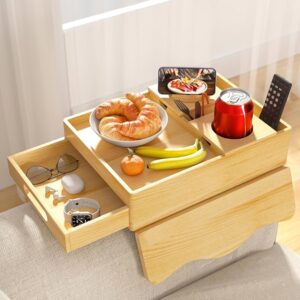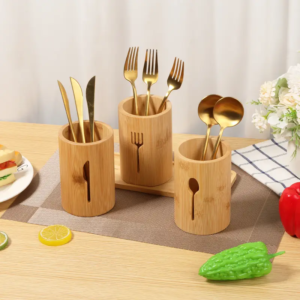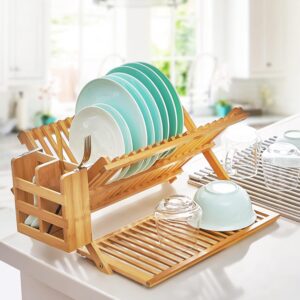
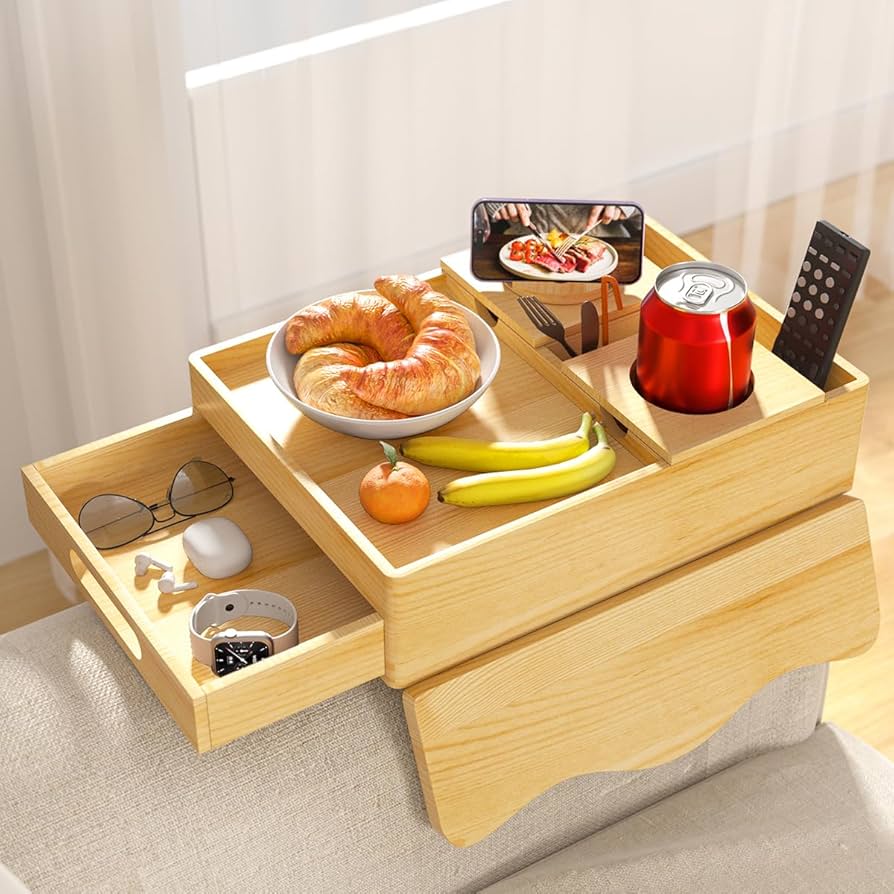
Yes, you can safely place food on a bamboo tray as long as it is manufactured with food-safe materials and finishes. Many people prefer natural home goods, and bamboo trays stand out for their delicate appearance and practicality. Featuring a smooth texture and lightweight design, these trays are versatile for kitchens, dining areas and outdoor gatherings. They also earn popularity for their eco-friendly traits and unique natural aesthetic.
Key Takeaways
- Bamboo trays are food-safe as long as they comply with food-grade safety standards, so always check the food-safe label before purchase.
- Clean bamboo trays with warm water and mild soap, and never soak them to avoid material damage.
- Use protective liners for moist or oily foods to prevent stains and bacterial growth.
- Bamboo trays are sustainable and durable, ideal for serving food at home gatherings or events.
- The natural texture of bamboo trays elevates food presentation, making dishes more appealing to guests.
Is It Safe to Place Food on a Bamboo Tray?
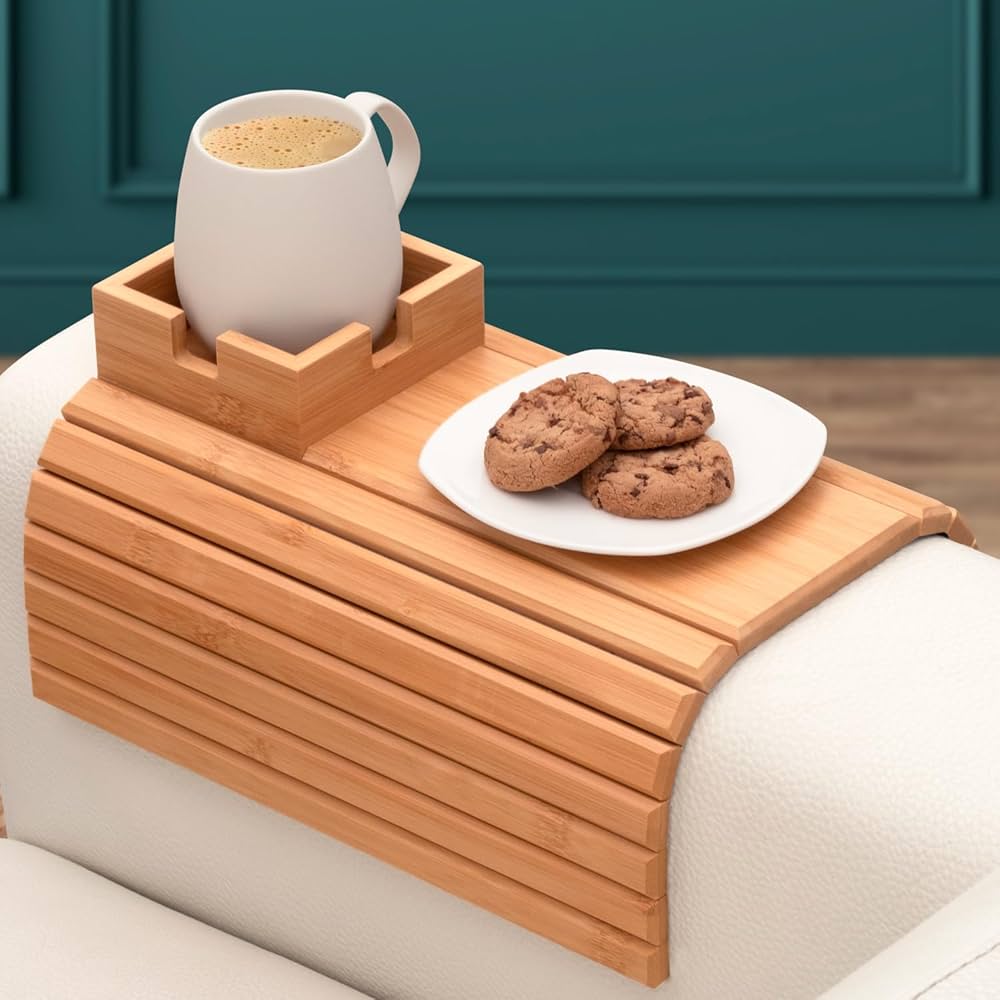
Food-Safe Bamboo Material Standards
Qualified bamboo trays for food contact need to comply with global food-grade safety specifications. Natural bamboo itself is non-toxic, but the surface coatings and processing treatments are the core factors affecting safety.
Reputable bamboo tray manufacturers use formaldehyde-free adhesives and food-safe coatings, such as plant waxes or food-grade varnishes, which do not leach harmful substances or alter the taste of food.
Sustainable bamboo sourcing is also an important indicator, as rapidly renewable bamboo plantations help maintain ecological balance without damaging natural forests. Inferior bamboo products may use unregulated chemical treatments, posing potential risks to human health.
Note: Always check for a food-safe label when purchasing bamboo trays, as it verifies compliance with official safety standards. Reputable products will also be certified by food safety authorities in target markets.
Essential Safety Precautions
Follow these rules to ensure food safety when using bamboo trays. Wash the tray before and after each use with warm water and mild soap, then dry it immediately with a clean cloth. Prolonged soaking will damage the bamboo fiber structure, leading to warping and mildew.
Harsh detergents, steel wool and dishwashers are not recommended, as they can erode the protective coating of the tray.
For acidic foods like citrus fruits, vinegar-based dishes, wet or oily foods, it is best to use liners or parchment paper. This prevents corrosion of the bamboo surface and food contamination, while keeping the tray clean.
Store the tray in a dry, ventilated area to prevent mold growth, and avoid long-term placement in damp environments. Additionally, do not use cracked or frayed bamboo trays for food service, as crevices can easily harbor bacteria.
Ideal Foods to Serve on a Bamboo Tray
A bamboo tray is a fun way to serve food at parties. Many people pick bamboo trays because they look nice and simple.
Appetizers and Snacks
People like to use bamboo trays to serve appetizers to please guests. These trays are perfect for holding foods that are easy to eat with your hands, such as cookies, chips, mini sandwiches, and vegetable sticks. Not only do bamboo trays make snacks look neat and appealing, but their natural bamboo color also enhances the flavor of the food. The host can also place small bowls on the trays for dipping sauces and spreads. At parties, guests are happy to take snacks from bamboo trays.
Tip: Put snacks in rows or circles to make the tray look nice.
Fruits and Cheese
Fruits and cheeses arranged on bamboo trays look exceptionally vibrant and appealing. The tray perfectly complements the colors and shapes of the grapes, berries, apple slices, and cheese cubes. Bamboo trays are commonly used for fruit platters at family gatherings or formal dinners. Cheese also pairs deliciously with biscuits and nuts, which are equally suitable for tray presentation. The smooth bamboo tray helps maintain the freshness of fruits and cheeses and makes them easy to access. Many homeowners use bamboo trays to decorate their tables, adding a touch of elegance.
| Benefit Description | Result |
|---|---|
| Higher Satisfaction Ratings | Restaurants using wooden serving ware received 12% higher satisfaction |
| Increased Profit Margins | Items served on wood generate 15-20% higher profit margins |
| Enhanced Social Media Marketing | Shareable presentation elements generate marketing value |
Pastries and Desserts
Cookies, cupcakes, brownies and tarts look exquisite on bamboo trays, enhancing the ambiance of birthday parties, tea parties and holiday celebrations. The natural aesthetic of bamboo makes dessert displays highly photogenic.
Note: Place parchment paper under sticky desserts to protect the tray from stains.
Foods You Should Avoid on Bamboo Trays
Some foods are not suitable for direct placement on bamboo trays. For example, foods with high water content, such as soups and thick sauces, may seep into the bamboo tray and cause damage; while oily foods, without a liner, may leave permanent stains. Raw meat and raw fish should never be placed directly on the tray; they should be placed on separate plates or liners. YESUN recommends using protective mats to hold foods that are prone to leakage or staining, in order to protect the integrity of the tray.
Safety & Handling Tips for Bamboo Food Trays
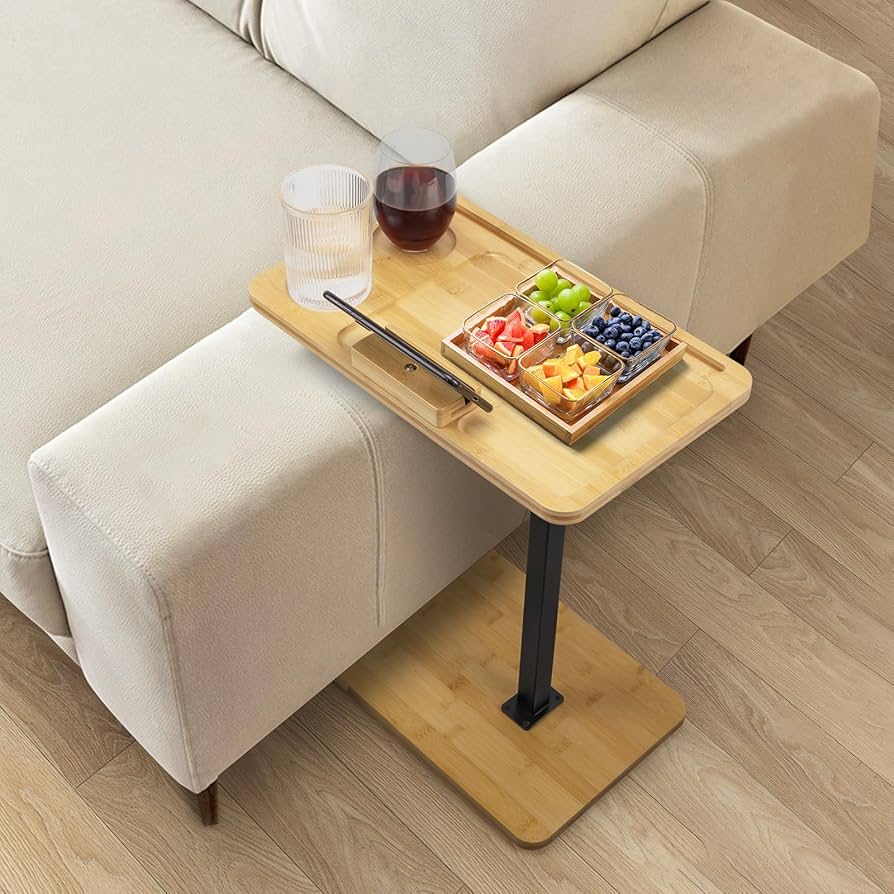
To keep food safe and maintain your bamboo tray in good condition, it’s important to use proper serving and cleaning habits. Bamboo’s natural properties make it hygienic for food use, but correct handling will further prevent stains, odors, and bacteria buildup.
Use Protective Liners
Parchment paper, wax paper and food-grade liners effectively block moisture and oil, preventing stains and simplifying cleanup. For saucy, oily, or acidic foods, place them in small bowls to avoid direct contact with the bamboo surface. Liners also help inhibit bacterial growth and preserve the tray’s original finish.
Tip: Cut liners to match the tray’s shape for a neat, polished presentation.
Best Cleaning Steps for Bamboo Trays
- Dampen the tray with warm water without fully soaking it
- Hand wash gently using mild dish soap
- Scrub mild stains along the bamboo grain with a soft brush
- Wipe away all soap residue with a clean, damp cloth
- Dry the tray along the grain with a soft towel
- Store in a cool, dry, ventilated spot
Condition the tray monthly with food-safe mineral oil or beeswax to prevent drying and cracking. Never use coconut oil, vegetable oil, or other cooking oils, as they can turn rancid, leave sticky residue, and support bacteria growth. Avoid stacking trays tightly, as trapped moisture often leads to mold or discoloration.
Common Cleaning Mistakes to Avoid
| Mistake | Problem | Solution |
|---|---|---|
| Dishwasher use | Causes cracking, warping, and finish damage | Hand wash only with warm water and mild soap |
| Stacking storage | Traps moisture and promotes mold growth | Store trays separately or use breathable fabric sleeves |
| Using cooking oils | Oils turn rancid and harbor bacteria | Condition only with food-safe mineral oil or beeswax monthly |
| Direct sunlight | Fades color and dries out bamboo fibers | Air dry in shaded areas, not in direct sun |
| Delayed cleaning | Food residue builds up and causes stains | Clean the tray promptly after each use |
Conclusion
Bamboo trays are a safe, eco-friendly and stylish choice for serving food when they meet food-grade standards and are properly maintained. Choosing trusted brands like YESUN ensures non-toxic materials and reliable quality. With simple care—such as hand washing, prompt drying, using liners for wet or oily foods, and regular conditioning—you can keep the tray hygienic and long-lasting. Ideal for serving snacks, fruits, desserts and more, bamboo trays combine practicality with natural beauty, making them a great addition to any home dining experience.
FAQ
Can bamboo trays go in the dishwasher?
No, bamboo trays should never be washed in the dishwasher. High heat and water will cause warping, cracking, and finish damage. Always hand wash only.
How often should I oil my bamboo tray?
For best care, apply food-safe mineral oil or beeswax once a month to keep the bamboo hydrated and prevent drying or cracking.
What should I do if my bamboo tray gets moldy?
Clean the moldy area with a soft brush and diluted white vinegar, then dry it thoroughly in a well-ventilated, shaded space. Keep the tray stored dry to avoid mold.
Is a bamboo tray suitable for outdoor use?
Yes, you can use it outdoors for short periods, but avoid leaving it in direct sunlight, rain, or damp environments for too long, as this will damage the bamboo.
Why is my bamboo tray starting to crack?
Cracking usually happens from dry air, prolonged sun exposure, or lack of oiling. Regular conditioning and proper storage can effectively prevent cracking.