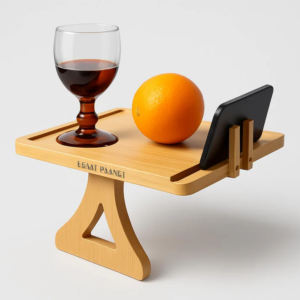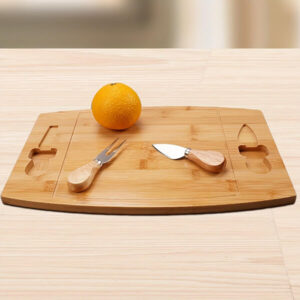
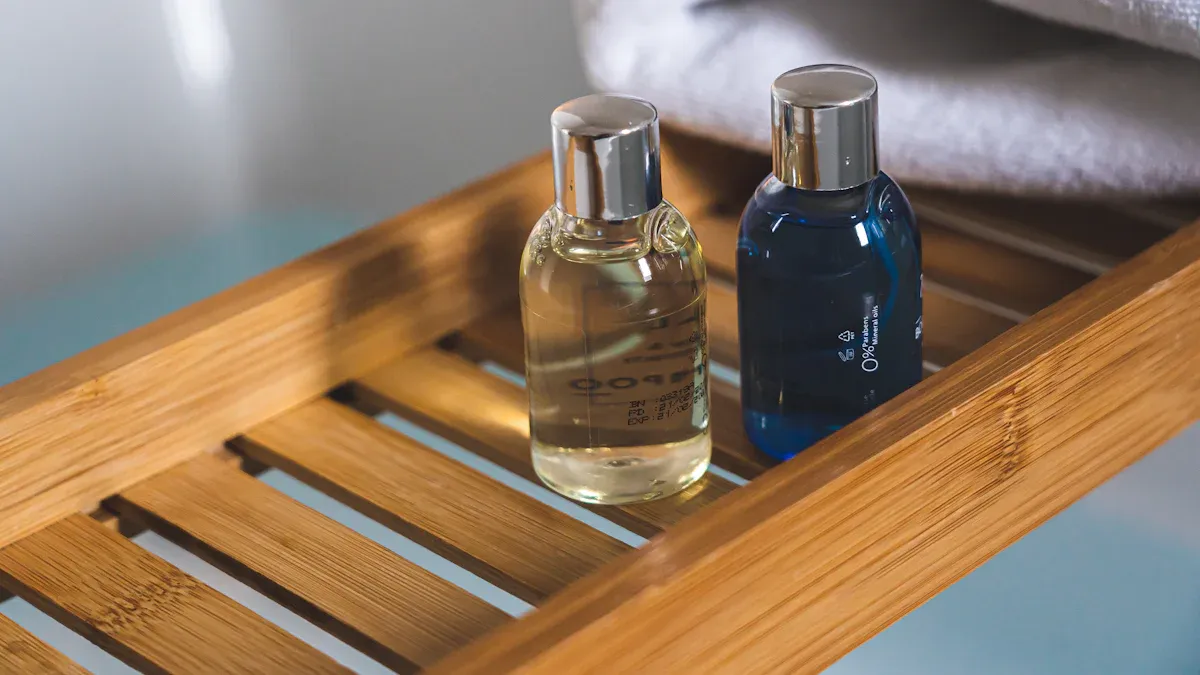
Yes, people can wash a bamboo tray, but gentle cleaning keeps it in great shape. YESUN designs each bamboo product with care, choosing high-quality materials for long-lasting beauty. Many people often ask how to clean a bamboo sofa tray or what to use to keep the finish smooth. Some also wonder if they can sand burn marks off their trays. Proper care helps every YESUN bamboo tray stay both stylish and strong.
Key Takeaways
Bamboo trays need gentle cleaning to avoid damage. Use mild soap and a soft cloth to keep them looking good.
Avoid soaking bamboo trays in water. Soaking can weaken the bamboo and cause it to crack or bend.
Store bamboo trays in a cool, dry place away from direct sunlight. This prevents fading and keeps them strong.
Regularly check bamboo trays for signs of wear. Look for cracks or rough spots and oil them to maintain their beauty.
Use safe methods to remove stains, like baking soda or lemon juice. Always dry the tray well after cleaning to prevent mold.
Why bamboo trays need gentle cleaning
Bamboo tray material properties
Bamboo is a natural material with special features. Its cells have big spaces that hold water. This makes bamboo react to moisture more than other woods. The cell walls have cellulose, hemicellulose, and lignin. These parts pull in water easily. Water sticks to bamboo fast, so it can swell or bend if not cleaned right.
Bamboo takes in water quickly, especially at first.
Bamboo’s pores let it hold water, which can hurt it if left wet.
Bamboo can soak up over 60% water in less than two days if it gets very wet.
These things make bamboo trays nice to use and look at. But they need extra care when you clean them.
Risks of improper cleaning methods
Cleaning bamboo trays the wrong way can damage them. If you soak the tray or use strong chemicals, the fibers can break down. This can make the tray crack, bend, or change color. Rough tools can scratch the tray and make it look bad. Dishwashers use hot water and strong soap, which can ruin the tray’s finish and shape.
Tip: Use mild soap and a soft cloth to keep the tray safe.
Benefits of careful cleaning for YESUN trays
YESUN makes trays from high-quality bamboo. This material is strong and smooth. Cleaning gently keeps the tray looking good and helps it last longer. Taking care of the tray stops stains and keeps it fresh. If you clean it the right way, your YESUN bamboo tray will stay stylish and useful for a long time.
How to clean a bamboo tray safely
Best materials for cleaning a bamboo tray
People should choose the right tools when they want to clean a bamboo tray. Using gentle materials helps protect the tray’s surface and keeps it looking new. The following items work best for this task:
Warm water
Little dish soap or mild dishwashing soap
Cotton or soft cloth
Dry towel
Small brush
These materials remove dirt without scratching or damaging the bamboo tray.
Step-by-step guide to clean a bamboo tray
Learning how to clean a bamboo tray helps keep it in top condition. The process is simple and does not take much time. Here are the steps people should follow:
Wet the bamboo tray with warm water. Do not soak it for too long.
Wash the tray by hand using a mix of warm water and a little dish soap. Pay close attention to the gaps and edges.
Use a small brush to remove stubborn stains. Brush along the length of the bamboo fibers.
Rinse the tray well with clean warm water to remove all soap and dirt.
Dry the tray with a dry towel. Wipe along the length of the fibers to keep the bamboo flexible.
Store the tray in a cool, dry place. Avoid direct sunlight and high humidity.
Tip: Never put a bamboo tray in the dishwasher. The heat and water can cause damage.
Drying and storing bamboo trays properly
Proper drying and storage keep a bamboo tray in good shape for years. After cleaning, always use a dry towel to remove extra moisture. Place the tray in a spot with good air flow. Do not leave it in direct sunlight or near a heater. High heat and sunlight can make the bamboo crack or fade. Store the tray in a cool, dry place to prevent mold and keep it strong.
People who follow these steps on how to clean a bamboo tray will help their trays last longer. Using warm water, a little dish soap, and a dry towel makes the process safe and easy. Regular care keeps every bamboo tray from YESUN looking beautiful and ready for use.
What to avoid when cleaning bamboo trays
Soaking and water damage risks
Bamboo trays should not be soaked in water. Water can get deep inside the bamboo fibers. This causes big problems for the tray. Tests show soaking makes bamboo much weaker and less flexible. The tray can bend or break more easily. Here are some main risks:
Soaking makes bamboo lose its strength fast. The modulus drops from 5845 MPa to 1217 MPa.
The tray’s strength falls from 44.7 MPa to 12.6 MPa after damp–heat treatment.
Water breaks bonds inside bamboo. This makes pores bigger and causes tiny cracks.
The tray’s structure gets weak and may not last long.
People should never leave bamboo trays in water for any time.
Harsh chemicals and abrasive tools
Strong chemicals and rough tools can hurt bamboo trays. Many cleaners have bleach or ammonia. These can stain or dry out bamboo. Experts say these mistakes are common:
Bleach can wear away the bamboo surface and leave stains.
All-purpose cleaners often have strong chemicals that harm bamboo.
Rough sponges or steel wool can scratch and weaken the tray.
Not using pH-balanced cleaners can make the tray wear out faster.
A soft cloth and mild soap are best for cleaning. Special bamboo cleaners are also safe to use.
Dishwasher and direct sunlight exposure
Dishwashers and sunlight can both harm bamboo trays. Dishwashers use high heat and lots of water. This twists bamboo fibers and ruins finishes. Sunlight can fade the color and make the tray break easily. The table below shows the main effects:
Effect | Description |
|---|---|
Warping and Bending | High heat and moisture from dishwashers twist bamboo fibers out of shape. |
Cracking and Splitting | Fast temperature changes can cause cracks or splits along the grain. |
Weakened Structure | Lots of heat makes bamboo fibers weak and easy to break. |
Fading | Too much sunlight makes bamboo lose color and get brittle. |
Dishwashers reach 130-170°F. Strong detergents and long water exposure break down bamboo fibers and remove finishes. For best results, people should hand wash and keep trays away from sunlight.
Removing stains and mold from bamboo trays
Safe stain removal techniques for bamboo trays
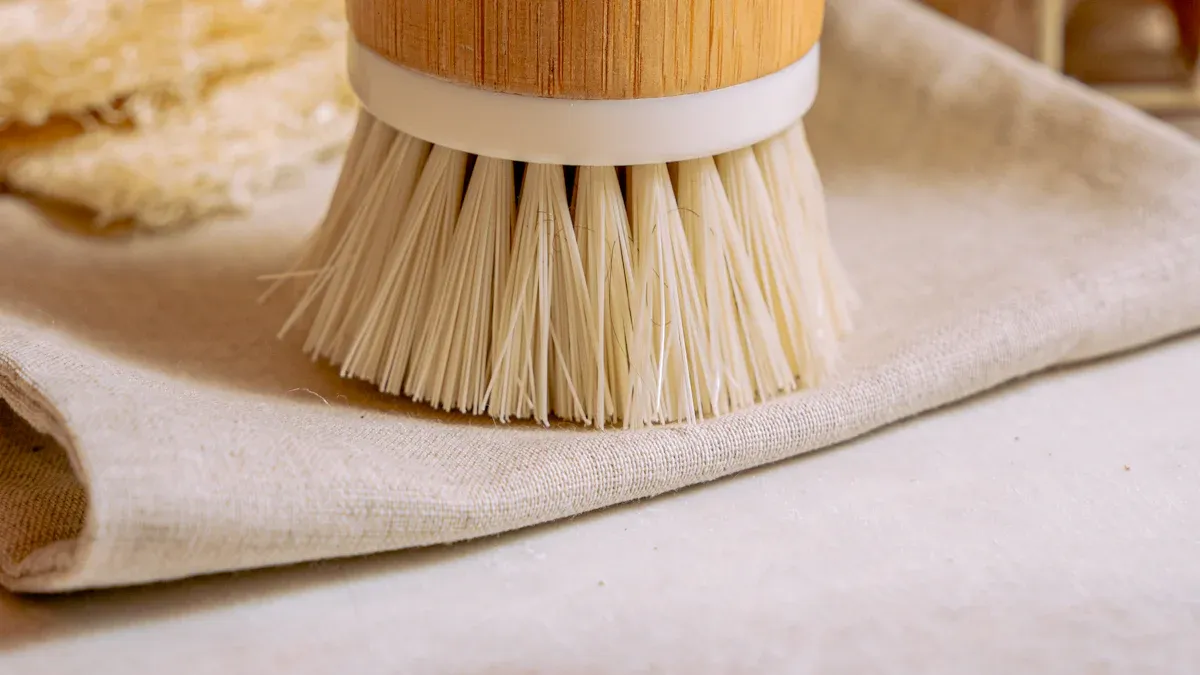
Bamboo trays can pick up stains from food, drinks, or daily use. Cleaning experts recommend several safe ways to remove these marks. People can quickly clean up stains by using gentle household items. The following methods work well:
Baking soda: Mix baking soda with soapy water in a 1:2 ratio. Scrub the stain gently, let it sit for a few minutes, then rinse and dry the tray.
Lemon: Add lemon juice to the baking soda mixture or rub a fresh lemon slice directly on the stain. Let the tray air dry after cleaning.
Vinegar: Pour a small amount of vinegar on the stain, scrub with a soft brush, and rinse. Avoid soaking the tray for too long.
These techniques help keep the bamboo surface smooth and bright. Always dry the tray well after cleaning to prevent water damage.
Treating and preventing mold on bamboo trays
Mold can grow on bamboo trays if they stay damp or are stored in humid places. Mold not only looks bad but can also cause health problems. To treat and prevent mold, follow these steps:
Remove visible mold with a hard brush and soapy water.
Clean the area with a disinfectant or a mild bleach solution to kill any remaining spores.
Dry the tray completely. Moisture helps mold grow, so drying is important.
Store bamboo trays in a cool, dry place. Keep them out of direct sunlight to avoid future mold growth.
Regular cleaning and proper storage help stop mold from coming back.
When to replace a damaged bamboo tray
Sometimes, stains or mold can cause lasting damage. If a tray has deep cracks, large black spots, or a musty smell that will not go away, it may be time to replace it. Mold can produce allergens and irritants. Exposure may lead to breathing problems or other health issues. Using a damaged tray for food is not safe. Choosing a new YESUN bamboo tray ensures safety and keeps the kitchen looking fresh.
Maintaining Clean Bamboo Trays
Regular cleaning and oiling tips
YESUN recommends regular care for all bamboo trays to keep them looking their best. Cleaning after each use removes food and moisture that can damage bamboo. Wipe the tray with a damp cloth and dry it right away. For deeper cleaning, use a mild soap or a pH-neutral cleanser. Avoid harsh chemicals.
Oiling helps bamboo stay strong and prevents cracks. Food-safe mineral oil, beeswax, or carnauba wax work well. These oils keep water out and add shine. The table below shows how often to clean and oil bamboo trays:
Usage Type | Cleaning Frequency | Oiling Frequency |
|---|---|---|
Regular Use | After each use | Monthly (every 30 days) |
Occasional Use | As needed | At least quarterly |
Tip: Apply a thin layer of oil with a soft cloth. Let it soak in for a few hours, then wipe off any extra.
Proper storage for bamboo kitchen items
Proper storage protects bamboo trays from warping and mold. Store trays in a dry, well-ventilated area. Keep them away from direct sunlight to prevent fading and brittleness. Do not place trays near chemicals or cleaning agents. The best storage temperature is between 68°F and 77°F. Humidity should stay between 50% and 60%. These steps help trays last longer and keep their natural beauty.
Store in a cool, dry place
Avoid direct sunlight
Keep away from chemicals
Maintain moderate temperature and humidity
Signs your bamboo tray needs extra care
Regular checks help spot problems early. Look for cracks, rough spots, or dullness. If the tray feels dry or rough, it may need oiling. Stains or a musty smell can mean mold or water damage. After washing, always let the tray air-dry completely. If the tray shows deep cracks or large black spots, consider replacing it. Re-sealing the tray every 6 to 12 months with a waterproof finish helps protect it from wear.
Note: Proper care and regular maintenance can extend the life of YESUN bamboo trays and keep them looking beautiful for years.
Gentle cleaning helps bamboo trays stay nice and strong. Regular care keeps them looking good for a long time. YESUN makes trays from high-quality bamboo. With the right steps, trays can last for years. Research shows proper care matters a lot:
Key Aspect | Details |
|---|---|
Longevity | Trays last 3 to 5 years with good care |
Cleaning | Wash by hand, use mild soap, and dry completely |
Storage | Store in a dry place with good air flow |
Maintenance | Oil trays often and do not use harsh cleaners |
If you follow these tips, your YESUN bamboo trays will look great. You also help make your home more eco-friendly.
FAQ
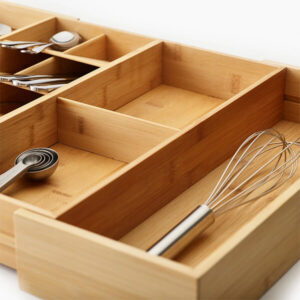
Can you use a bamboo kitchen drawer organizer for bamboo utensils?
Many people use a bamboo kitchen drawer organizer for bamboo utensils. The organizer keeps each utensil in its own spot. This makes it easy to find what you need. It also stops the utensils from getting scratched. Most kitchens use both items together to stay neat.
How do you clean a bamboo kitchen drawer organizer?
To clean a bamboo kitchen drawer organizer, use mild soap and warm water. Wipe it gently with a soft cloth. Dry the organizer with a towel right away. Do not soak it or use strong chemicals. This way, bamboo utensils inside stay safe and clean.
Can bamboo kitchen drawer organizers hold heavy bamboo utensils?
Bamboo kitchen drawer organizers can hold heavy bamboo utensils. The organizer has strong dividers and a sturdy bottom. It can support big spoons and spatulas. Always check for cracks or damage before using it.
What is the best way to store bamboo utensils in a bamboo kitchen drawer organizer?
Put each bamboo utensil in its own section of the organizer. This keeps them apart and helps them stay clean. The organizer stops utensils from touching each other. Store the organizer in a dry drawer for best results.
How often should you clean bamboo utensils and the bamboo kitchen drawer organizer?
Clean bamboo utensils after every use. Wipe the bamboo kitchen drawer organizer once a week or when it looks dirty. Regular cleaning keeps everything in good shape. This helps stop mold and keeps your kitchen neat.
Tip: Make sure bamboo utensils and the bamboo kitchen drawer organizer are dry before you put them away.