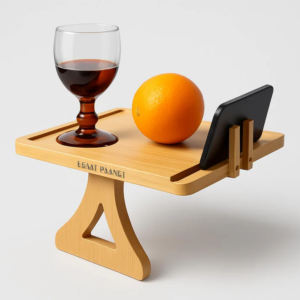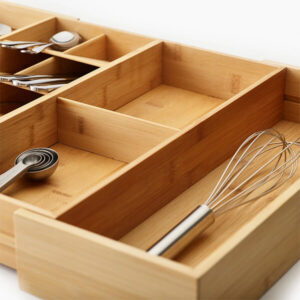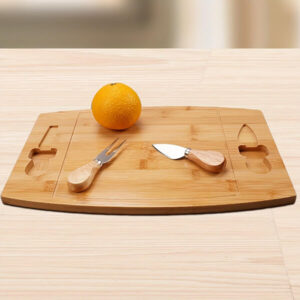
Bamboo trays are not completely waterproof, but they resist water well. Waterproof means water cannot pass through at all. Water-resistant bamboo can handle small splashes or short contact with water. Bamboo homeware uses this natural feature. This includes bamboo trays for eating. Some companies add special coatings to bamboo trays. These coatings help the trays work better against water. Picking good bamboo trays, like ones from YESUN, lets people enjoy nice looks and useful trays at home.
Key Takeaways
Bamboo trays can resist water but are not fully waterproof. They can handle small spills but should not be left in water.
Picking bamboo trays with special coatings, like lacquer or sealants, makes them better at resisting water and last longer.
Taking care of bamboo trays by washing them by hand and drying them right away helps keep them looking good and strong.
When you pick bamboo trays, look for smooth and shiny surfaces. These usually mean there is a coating that keeps out water.
If you live where it is very humid, try using plastic or metal trays, or pick bamboo trays that have been specially treated to last longer.
Bamboo trays and natural water resistance
Bamboo’s structure and moisture
Bamboo has a special structure that helps it resist water better than many other natural materials. Its fibers are packed tightly, which makes bamboo strong and tough. This helps bamboo trays for eating deal with a little bit of water. But bamboo can still soak up water, especially when it is humid. Scientists have looked at how bamboo compares to other materials. The table below shows how bamboo, flax, and hemp take in water:
Material | Moisture Absorption Characteristics | Expansion Behavior |
|---|---|---|
Bamboo | Takes in a lot of water when it is humid | Grows more around the outside than across the width |
Flax | Takes in water like bamboo does | N/A |
Hemp | Takes in water like bamboo does | N/A |
Bamboo does not grow the same way in every direction. It gets bigger around the outside more than across the width. This means bamboo trays for eating might change shape if they get too wet.
Comparison with other tray materials
Bamboo trays are different from plastic and metal trays because they are better for the environment and look nice. Plastic trays do not soak up water, but they can break or bend when they get hot. Metal trays do not let water in, but they can rust if you do not take care of them. Bamboo trays for eating are good because they resist water and are better for the planet. Bamboo serving trays also look warm and natural, which many people like in their homes. YESUN uses only natural bamboo in its products, so they are strong and last a long time.
Untreated bamboo in wet settings
Untreated bamboo trays for eating have problems if they get wet for a long time. Some things that can happen are:
Swelling and bending, which can make trays crack or bend.
Mold and mildew can grow, causing stains and bad smells.
The surface can change color, making the bamboo look gray or spotty.
Bamboo is a grass with tight fibers, but untreated bamboo can still soak up water. The water leaching method does not keep bamboo safe in wet places. That is why many people pick bamboo trays that have special coatings to help them resist water.
How bamboo products become waterproof
Common finishes and coatings
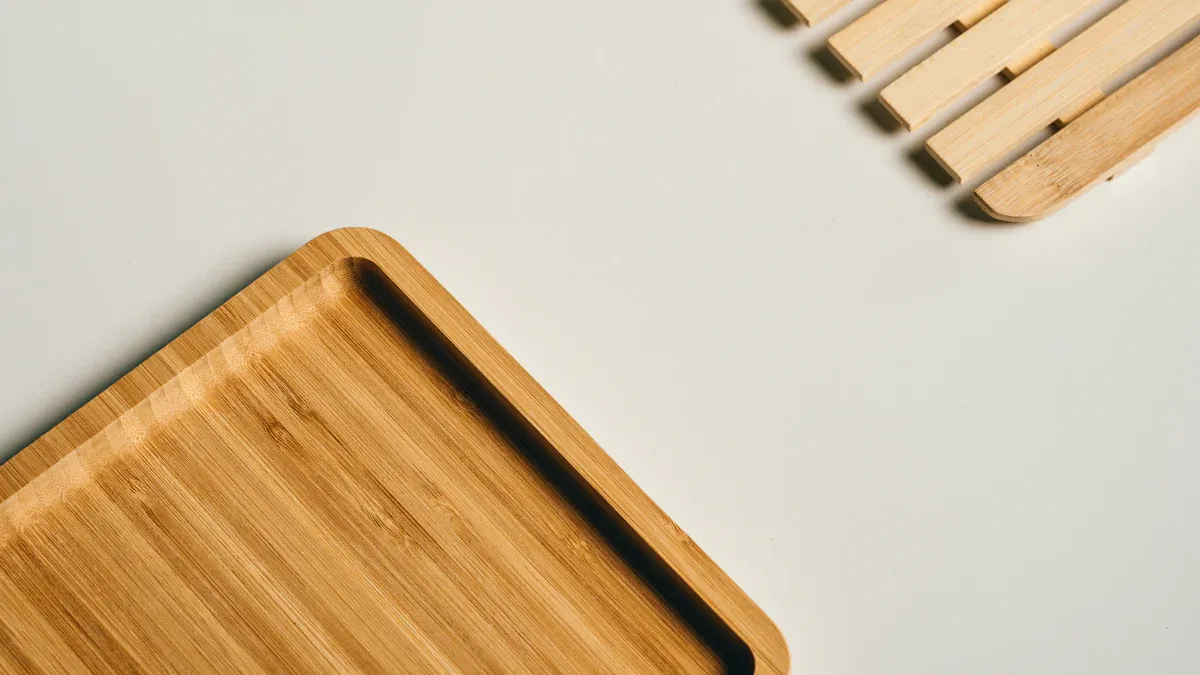
Manufacturers use different ways to help bamboo trays resist water. They put special finishes and coatings on the trays during production. Some strong coatings use materials like graphene and zinc oxide. These coatings help bamboo trays for eating fight off mold and moisture. Tests show that trays with graphene and zinc oxide stay mold-free for over 30 days. Untreated bamboo can get covered in mold in just one week. Many companies also use lacquers or laminates to protect bamboo serving trays. Lacquered bamboo trays for eating have a shiny top that keeps water out. Laminated bamboo trays can stop water pretty well, but you still need to be careful with them. These waterproofing methods help bamboo products last longer and stay waterproof.
Tip: Always look for a smooth or shiny coating on bamboo trays for eating. This usually means they have extra water protection.
Oils, waxes, and sealants
Some bamboo trays for eating use oils, waxes, or sealants to keep water out. Each type gives different protection and needs different care. The table below shows how they work:
Type | Properties and Application | Effectiveness Against Water Damage | Maintenance Requirements |
|---|---|---|---|
Oils | Go into the wood fibers and help block moisture. | Moderate | Needs to be put on again often. |
Waxes | Make a layer on top to stop water, but not as good as oils. | Low to Moderate | Needs to be put on again a lot. |
Sealants | Synthetic types like polyurethane make a strong wall against water. | High | Needs less work than oils. |
Oiling bamboo trays often keeps their protection strong. Sealants, especially on bamboo serving trays, make a tough shield and help bamboo products stay waterproof longer. People should not use cheap varnishes because they do not last when wet. Sealing every part that touches water helps stop water from getting in.
Treated vs. untreated bamboo trays
Treated bamboo trays for eating last longer in wet places than untreated ones. Laminated or lacquered bamboo trays keep water out better and do not get damaged as fast. Untreated bamboo trays soak up water quickly. This can make them swell, crack, or grow mold. Treated bamboo serving trays keep their shape and color better. They also stay cleaner and safer for food. Waterproofing makes a big difference in how bamboo trays handle daily use and cleaning. People who want bamboo products waterproof for kitchens or bathrooms should always pick trays with a protective finish.
Identifying waterproof bamboo trays
Visual and tactile signs
People can often spot water-resistant bamboo trays by looking and touching. A smooth, glossy surface usually means the tray has a protective finish. This finish helps keep water out. Some bamboo trays feel slick or slightly waxy. That texture shows a coating is present. If the tray looks dull or rough, it may not have any protection. Shiny bamboo often means a lacquer or sealant covers the surface. A tray with a laminated layer will feel even and firm. These clues help buyers pick bamboo trays that last longer in damp places.
Product labels and descriptions
Shoppers should always read product labels and descriptions before buying bamboo trays. Many brands list if their trays are water-resistant or have a waterproof coating. Labels may mention finishes like lacquer, oil, or sealant. Some descriptions highlight features such as “moisture protection” or “suitable for kitchen use.”
YESUN, for example, provides clear details about the materials and finishes used in their bamboo products. This helps buyers make smart choices.
At-home water resistance tests
Anyone can test bamboo trays at home. Place a few drops of water on the tray’s surface. Wait for a few minutes. If the water beads up and stays on top, the bamboo has a protective finish. If the water soaks in or leaves a mark, the tray may not resist moisture well. People should always dry the tray after testing. This simple test helps confirm if a bamboo tray is ready for use in kitchens or bathrooms.
Bamboo tray care for water resistance
Cleaning and drying
Cleaning bamboo trays the right way helps them last. Always wash bamboo trays by hand with mild soap. Use a soft cloth to clean them gently. Dishwashers use too much heat and water. This can hurt bamboo trays. Dry trays right away with a clean towel after washing. This stops water from soaking in. It also keeps trays from bending or growing mold. The table below shows ways to clean and dry bamboo:
Method | Description |
|---|---|
Heat Treatment and Carbonization | Heating bamboo takes out water and helps it not soak up more. |
Natural Oil and Wax Finishes | Oils and waxes make a layer that blocks water and keeps bamboo looking nice. |
Polyurethane and Lacquer Coatings | These coatings give strong protection, good for kitchens and bathrooms. |
Innovative Hybrid Designs | Some trays use bamboo and other materials to be tougher and resist water better. |
Refreshing protective finishes
Bamboo trays can lose their coating over time. Taking care of them keeps them working well. People can use food-safe mineral oil or natural wax to help the finish. This keeps bamboo smooth and helps block water. Experts say not to use strong soaps. Strong soaps can make bamboo lose color or look bad. If you see stains, dab them with a damp cloth and gentle soap. Do not scrub hard, or you might scratch the tray. YESUN makes bamboo trays easy to care for and nice to look at. This makes them a good pick for any home.
Proper storage and handling
Storing and handling bamboo trays the right way keeps them safe. Keep trays in a dry place with good air flow. Do not put them in sunlight or on wet surfaces. This stops mold and keeps bamboo from cracking or drying out. The table below gives tips for storing and handling bamboo:
Practice | Description |
|---|---|
Oil Rubbing | Use food-safe mineral oil to stop bamboo from drying and help it resist water. |
No more dishwashers | Always wash by hand. Dishwashers can break bamboo trays. |
Towel It Dry | Dry with a clean towel after washing to stop bending or mold. |
Proper Storage | Store in a dry spot, away from sun and wet places. |
Doing these things helps bamboo trays last and look good. YESUN makes strong bamboo trays that stay nice if you care for them.
Are bamboo trays suitable for wet environments?
Use in kitchens and bathrooms
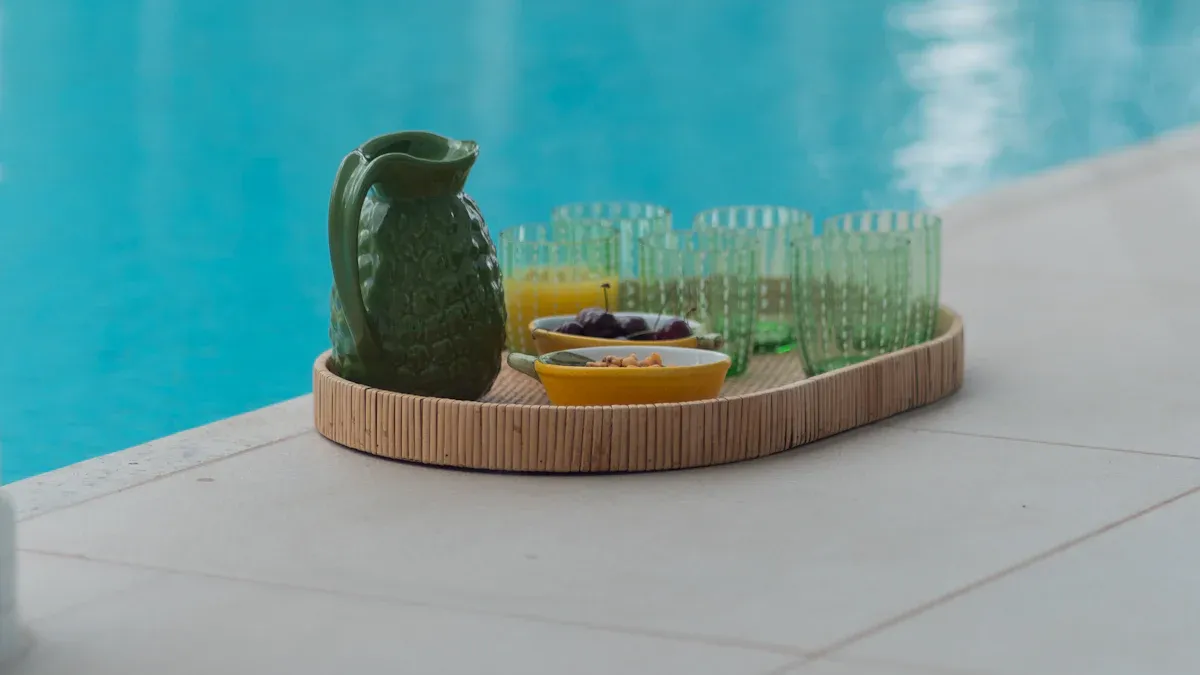
Bamboo trays work well in kitchens and bathrooms when they have a protective finish. Many people choose bamboo for these spaces because it resists moisture and keeps its shape. Treated bamboo does not warp or swell easily. Sealed bamboo flooring handles humidity, but standing water can still cause problems. Bamboo cutting boards and utensils also resist moisture, but they need regular oiling to stay strong. Bathroom accessories made from bamboo keep their look and last longer because the material fights off damage from water.
Tip: Always dry bamboo trays after use in wet areas. This simple step helps prevent mold and keeps trays looking new.
Risks of prolonged moisture exposure
Bamboo can handle splashes and short contact with water, but long exposure causes trouble. Water can soak into the fibers and make the tray swell or crack. Mold and mildew may grow if bamboo stays wet for too long. Untreated bamboo absorbs water faster and loses its strength. Even waterproof finishes wear down over time, so regular care is important. People should avoid leaving bamboo trays in sinks or wet countertops for hours.
Risk | What Happens to Bamboo | How to Prevent It |
|---|---|---|
Swelling | Tray gets bigger and may bend | Dry after each use |
Cracking | Surface splits or chips | Use protective finishes |
Mold/Mildew | Black spots and bad smell | Store in dry places |
Alternatives for high-humidity areas
Some places have too much moisture for bamboo trays. In these spots, other materials work better. Plastic trays do not absorb water and stay safe in wet rooms. Metal trays resist water, but they can rust if not cared for. Glass trays do not change shape or color in humidity. People who want natural style can pick treated bamboo with strong waterproof coatings. For very damp spaces, choosing trays made for water use helps avoid damage.
Plastic trays: Good for showers and laundry rooms
Metal trays: Best for kitchens with lots of steam
Glass trays: Safe for bathrooms and easy to clean
Treated bamboo: Works in most wet areas with proper care
Bamboo trays can resist water because of their natural fibers. But they are not waterproof unless they have a special finish. People should pick trays with a coating that protects them. It is important to follow the care steps for bamboo trays. Good bamboo trays, like YESUN’s, last longer in wet places.
Tip: Clean your bamboo trays often and store them the right way. This helps them stay nice and work well.
FAQ
Can bamboo trays go in the dishwasher?
Bamboo trays should not go in the dishwasher. The heat and water can damage the bamboo and remove protective finishes. Hand washing with mild soap works best.
How often should someone oil a bamboo tray?
Oiling every few months keeps bamboo trays in good shape. If the tray looks dry or dull, it needs oil. Food-safe mineral oil works well.
Do bamboo trays stain easily?
Bamboo trays resist stains if they have a protective finish. Spills should be wiped up quickly. For tough stains, use a damp cloth and mild soap.
What is the best way to store bamboo trays?
Store bamboo trays in a dry place with good air flow. Avoid direct sunlight and wet surfaces. This helps prevent mold and keeps trays looking new.