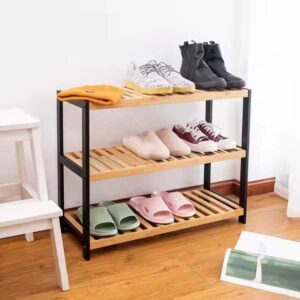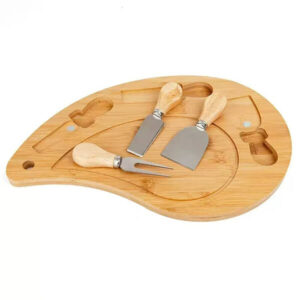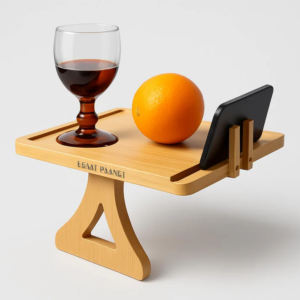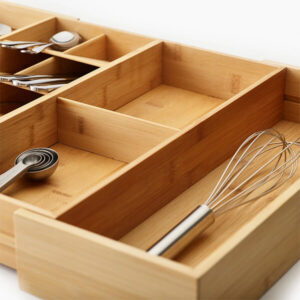
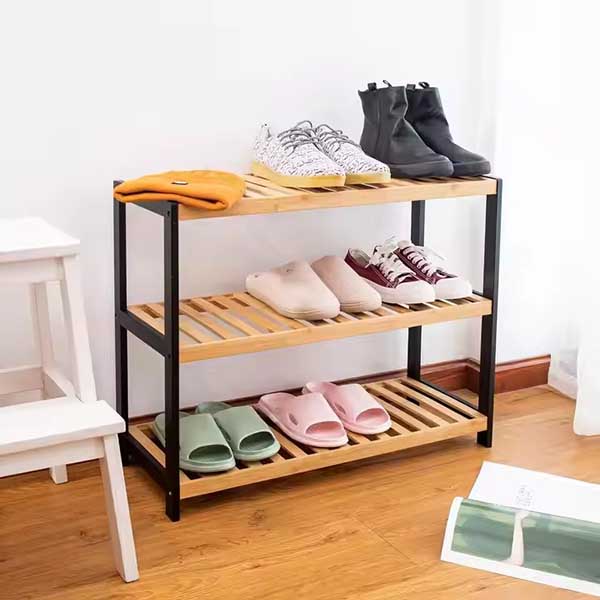
Bamboo shelves offer natural moisture resistance, but they are not fully waterproof. Brands like YESUN enhance this resistance through specialized treatments, making their shelves more durable in kitchens and bathrooms. Understanding the difference between water-resistant and waterproof—and how to maintain bamboo—helps buyers make informed choices.
Key Takeaways
- Bamboo shelves are water-resistant, not waterproof; proper care prevents water damage.
- Treated bamboo shelves (e.g., YESUN) offer enhanced moisture resistance and longer life in humid spaces.
- Regular maintenance—resealing every 6 to 12 months—keeps bamboo strong and attractive.
- Quality sealants like marine epoxy or tung oil significantly improve water resistance.
- Bamboo performs best in controlled humidity (40–60%) and temperature (60–80°F), making it suitable for kitchens and bathrooms with proper care.
Bamboo Shelves Overview
Construction and Materials
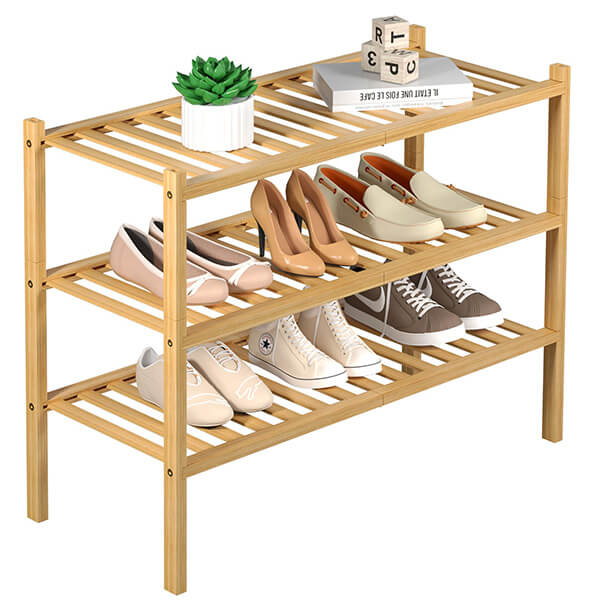
YESUN produces strong bamboo furniture, including shelves in various shapes and sizes suitable for kitchens, bathrooms, living rooms, and offices. Solid bamboo shelves are valued for their strength and natural appearance.
Manufacturers enhance durability and water resistance through careful construction: aligning bamboo fibers, using traditional joinery (e.g., mortise and tenon) to distribute stress, and applying hand-finished natural oils that seal the surface.
Many bamboo shelves have extra materials to help with water resistance. The table below shows some materials used to make shelves:
| Material | Purpose |
|---|---|
| Beeswax | Adds water resistance to natural lashings |
| Artificial bamboo | Better option for water features |
| Weather-resistant synthetics | Ensures longevity and safety |
Note: While some manufacturers incorporate these materials, solid bamboo—especially treated—remains the primary choice for YESUN shelves, offering the best balance of sustainability and performance.
Treated bamboo shelves cost approximately $4 per square foot, slightly more than untreated ones but offering superior longevity and water resistance—still a cost-effective option compared to wood, tile, stone, plastic, or metal alternatives.
Natural Water Resistance
Bamboo’s natural silica layer and waxy surface give it inherent moisture-proof properties, making it superior to oak in humid environments. Bamboo’s honeycomb structure allows air circulation, helping to regulate humidity and prevent swelling, cracking, or rotting. Heat treatment and carbonization further reduce bamboo’s water absorption and effectively prevent insect infestations, making treated bamboo shelves particularly suitable for humid environments.
Bamboo is an environmentally friendly choice: it is rapidly renewable and formaldehyde-free.Bamboo shelves are strong, resist water, and are good for the planet. This makes them a smart pick for many homes.
Is Bamboo Durable in Water?
Water-Resistant vs. Waterproof
Bamboo’s natural silica layer offers some protection, but most bamboo shelves are only water-repellent, not completely waterproof. Water resistance decreases over time, especially as the coating wears off. Water-repellent shelves can handle brief splashes and moderate humidity; fully waterproof shelves, on the other hand, can completely block water even from large spills. Without proper sealing, prolonged damp conditions can cause bamboo to swell, lose strength, and eventually break down.
Effects of Moisture on Bamboo Shelves
Is bamboo strong in water? Bamboo furniture works well in humid places. Its moisture resistance helps it keep its shape and strength. Bamboo shelves do best in rooms with 40% to 60% humidity. The temperature should be between 60 and 80 degrees Fahrenheit.
Bamboo shelves can get damaged if they stay wet for too long. Warping and cupping can happen when there is too much moisture. Cracks and splits can show up if water gets deep inside. Mold and mildew can grow and make dark spots. These can also be bad for your health. If bamboo stays wet, its fibers get weak. You might see stains, swelling, or soft spots. The furniture might not stay flat or straight.
| Sign of Damage | Description |
|---|---|
| Warping / Cupping | Bending or curving from excess moisture |
| Cracking / Splitting | Deep fissures due to water penetration |
| Mold / Mildew | Dark spots; potential health hazard |
| Discoloration | Dark stains indicating prolonged moisture |
| Swelling / Softness | Puffy texture or soft surface |
| Structural Weakening | Reduced load capacity; shelf may not remain flat |
Treated bamboo shelves, like those from YESUN, resist these issues longer and maintain strength in humid rooms when properly maintained.
Tip: Put bamboo shelves in rooms where you can control humidity and temperature. This helps stop water damage and keeps your furniture strong.
Making Bamboo Shelves Water-Resistant
Sealing and Treatment Methods
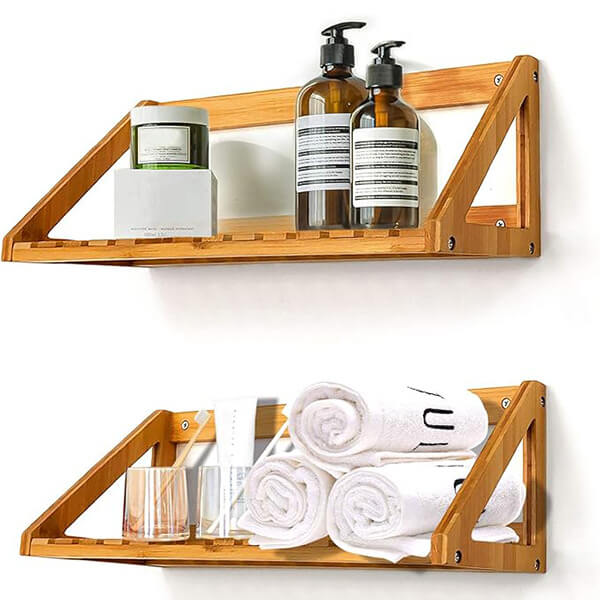
Many brands employ special methods to enhance the water resistance of bamboo shelves. YESUN uses new technology to coat its bamboo furniture. Workers soak the bamboo in a citric acid solution and use nanotechnology to prevent the bamboo from absorbing water. These measures help extend the lifespan of bamboo furniture in humid environments.
Different sealants can be chosen to protect bamboo shelves. The best options include marine-grade epoxy resin, tung oil, water-based polyurethane, linseed oil, and bamboo-specific oils. Each sealant protects bamboo furniture in its unique way. The table below lists common sealant options:
| Method | Description |
|---|---|
| Marine Epoxy Resins | Two-part epoxy resins give great water resistance and strength for outdoor bamboo. |
| Tung Oil | Natural oil goes into bamboo, keeps water out, and makes it look nice. |
| Water-Based Polyurethane | Easy to use, protects from moisture and sunlight, and has less smell. |
| Linseed Oil | Goes deep into bamboo, hardens to keep moisture out, and stops sun damage. Needs to be used again every year. |
| Bamboo Finish Oil | Special oils protect from moisture and show bamboo’s natural color. |
For bathrooms or high-humidity areas, marine epoxy provides the strongest barrier. For kitchen shelves where food contact is possible, tung oil or linseed oil offer natural, food-safe protection.
Oil-wax blends, water-based lacquer, and polyurethane varnish are also popular finishes. Resealing frequency depends on conditions: every 6–9 months in high‑moisture or sunny areas, or once a year in normal indoor environments.
Treated Bamboo Shelves for Bathrooms
Bamboo shelves in bathrooms require enhanced moisture protection.
For ongoing protection, bamboo sealers such as Forever Bamboo Protector help safeguard furniture against moisture, UV exposure, and fading. This water-based, natural-ingredient formula is safe for families and pets, suitable for both indoor and outdoor use.
For best results in bathrooms:
- Choose treated bamboo shelves (such as those from YESUN)
- Apply a quality bamboo sealer (like Forever Bamboo Protector) and reapply every 6–12 months
- Wipe surfaces dry after exposure to moisture
- Ensure proper ventilation to maintain humidity levels
Tip: Regular resealing and proper care are essential for keeping bamboo shelves water-resistant and long-lasting in wet rooms.
Conclusion
Bamboo shelves naturally possess some moisture resistance, but are not completely waterproof. Their durability depends on the processing method and daily maintenance.
For long-term use in humid environments, choose high-quality treated bamboo shelves, such as those from YESUN, and maintain them regularly. Proper material selection and care will ensure that bamboo furniture combines aesthetics, environmental friendliness, and lasting practicality.
FAQ
Are bamboo shelves safe for bathrooms?
Bamboo shelves work well in bathrooms when treated for water resistance. They resist moisture better than many woods. YESUN offers treated bamboo shelves that stay strong and look good in humid spaces.
How often should someone reseal bamboo shelves?
Most experts suggest resealing bamboo shelves every 6 to 12 months. This keeps water out and helps the shelves last longer. In very humid rooms, resealing every 6 months works best.
Can bamboo shelves hold heavy items?
Bamboo shelves support many household items. Most can hold up to 40 pounds when installed correctly. Always check the shelf’s weight limit before placing heavy objects.
What is the best way to clean bamboo shelves?
Use a soft, damp cloth and mild soap. Dry the shelf right away. Avoid harsh chemicals or soaking the bamboo. Regular cleaning keeps the shelf looking new and prevents water damage.